‘Caring means a whole new world’ – Croatian Proverb
Rosa Horvat’s hound attacked my legs.
My toes went green. I had a dizzy fit.
They took me to the hospital in Split.
The wards were all full up, so Uncle Dregs
sat by my trolley till he went to work,
then Erno, who’s my mum’s half-brother’s son,
pushed me up and down the hall for fun,
until his grandad’s nephew, who’s a Turk,
came and told me jokes. I wet the bed.
Then someone in a helmet held my hand
and sang a song I couldn’t understand.
Then it was morning, and I wasn’t dead.
I’m home now. Hvala vam if you were there.
Or not. Or sometimes. Friends are everywhere.
*****
Hvala vam – thank you all (Croatian)
John Gallas writes: “As with Camaguey – same collection, the proverb this time being as the little epigraph says. I particularly wanted here a certain tone: I am not a my-thoughts/my-feelings/interesting me sort of poet, and write mostly objective tales, descriptions, experiences that contain anything ‘I’ might want to say. A firm believer in show-not-tell.
“This one has won a couple of prizes: I regularly enter competitions, testing my poems anonymously before judges from The Cats’ League to National Poetry Society. This one won the ‘Caring’ section of a national competition. They liked the ‘humour-and-kindness’ of it all – which pleased me, as that was exactly the tone-intention.
“Wee note: I often set poems – I have travelled much – in various lands and cultures: I have been in trouble for this (my Maori friend, Vaughan Rapatahana, just said ‘Don’t’ when I embarked on some Pacific Island tales-in-verse) but as a Man With No Culture (white NZer?) I feel free to roam, creatively, as long as certain sensitivities are observed. (I have a complex theory as to objection/offence as far as cultures go, but I’ll leave that for now). ‘The Song Atlas’, my best-selling Carcanet book, was a translation of one poem from every country in the world.”
John Gallas, Aotearoa/NZ poet, published mostly by Carcanet. Saxonship Poet (see http://www.saxonship.org), Fellow of the English Association, St Magnus Festival Orkney Poet, librettist, translator and biker. Presently living in Markfield, Leicestershire.
Website is http://www.johngallaspoetry.co.uk which has a featured Poem of the Month, complete book list, links and news.
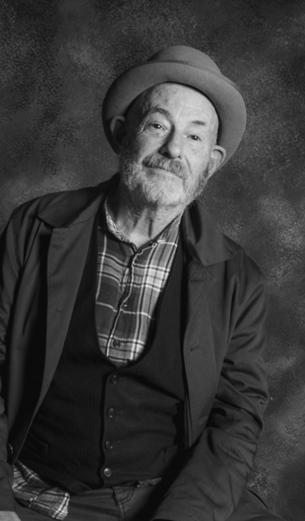
Photo: John Gallas, Carcanet official photo

 Form in Formless Times