
Starting with the obvious:
iPad, cell phone, cannabis,
Mitochondrial DNA—
but science changes every day—
sushi, pad thai, jasmine rice,
almost any kind of spice,
zipline, snowboard, kayaking,
tongue or belly-button ring.
Then, things she’d heard of, so she knew,
but not imagined one could do:
Go to Iceland, make French bread,
care what anybody said,
watch a sunrise, touch a bug,
want to give your child a hug.
*****
Midge Goldberg writes: “Often I’ll find myself in situations or places that my parents never would have encountered or dreamed of. That got me thinking of even words that they would not have known. I started writing the funnier couplets, then all of a sudden the poem took a darker turn that I hadn’t expected. Writing in rhyme and meter does that for me sometimes, leads me to a more complicated poem than I had originally imagined.”
‘Words My Mother Didn’t Know’ was originally published in Light, and nominated by them for a Pushcart Prize.
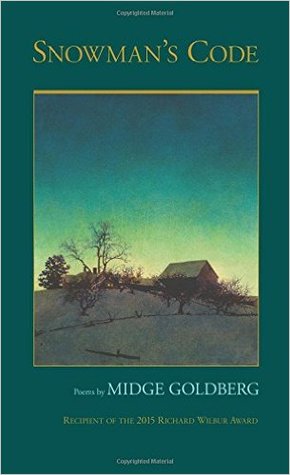
Midge Goldberg has published three books of her own poetry, including To Be Opened After My Death, a children’s book, and was the editor of Outer Space: 100 Poems, published by Cambridge University Press. She lives in New Hampshire, where her newly expanded tomato garden is now under two feet of snow. She still has the same approximate number of chickens.
Photo: “Untitled” by Leon Fishman is licensed under CC BY 2.0.
 Form in Formless Times