Tag Archives: endings

Short poem: RHL, ‘Vibration’

It’s quite a ride.
We took off in a cloud of dust and noise
and, while it might look steady, silent, from afar
above the clouds I’m feeling more and more
a rattle in the cabin and my joints
as though the bolts are shaking loose;
you trust the plane will land safe, smooth, three points . . .
but one way or another, all flights end.

*****

‘Vibration’ was recently published in Blue Unicorn.

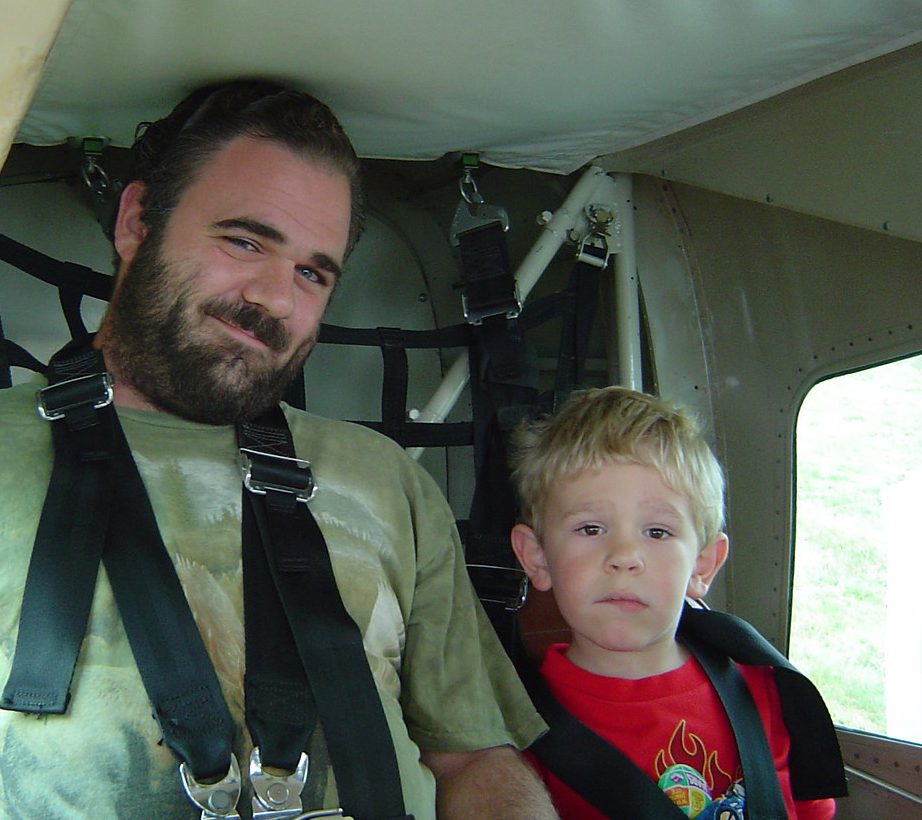
Photo: “Ready for the ride, but Someone is a bit nervous…” by Just Us 3 is licensed under CC BY-NC 2.0.

Using form: Ghazal: Peggy Landsman, ‘In the End’

Accept that everything ends in the end.
Nothing is left to defend in the end.

Whatever happens in this world of ours,
What’s not healed or resolved rends in the end.

We want to believe that time heals all wounds,
But we must make our amends in the end.

Justice delayed is justice denied,
Just as they intend in the end.

Feel the iron fist in the velvet glove.
The least bending of wills bends in the end.

“Kein Mensch muss müssen.” No one’s compelled to be compelled.
“Just following orders” is condemned in the end.

There are plenty of substitutes for the truth;
It is disbelief that suspends in the end.

*****

I think this ghazal speaks for itself, but there’s one thing that I’d like to credit. The German “Kein Mensch muss müssen” is from the play Nathan der Weise (Nathan the Wise) by Gotthold Ephraim Lessing (1729-1781).

Peggy Landsman is the author of the full-length poetry collection, Too Much World, Not Enough Chocolate (Nightingale & Sparrow Press, 2024), in which “In the End” appears. To read more of her work, visit her website: peggylandsman.wordpress.com

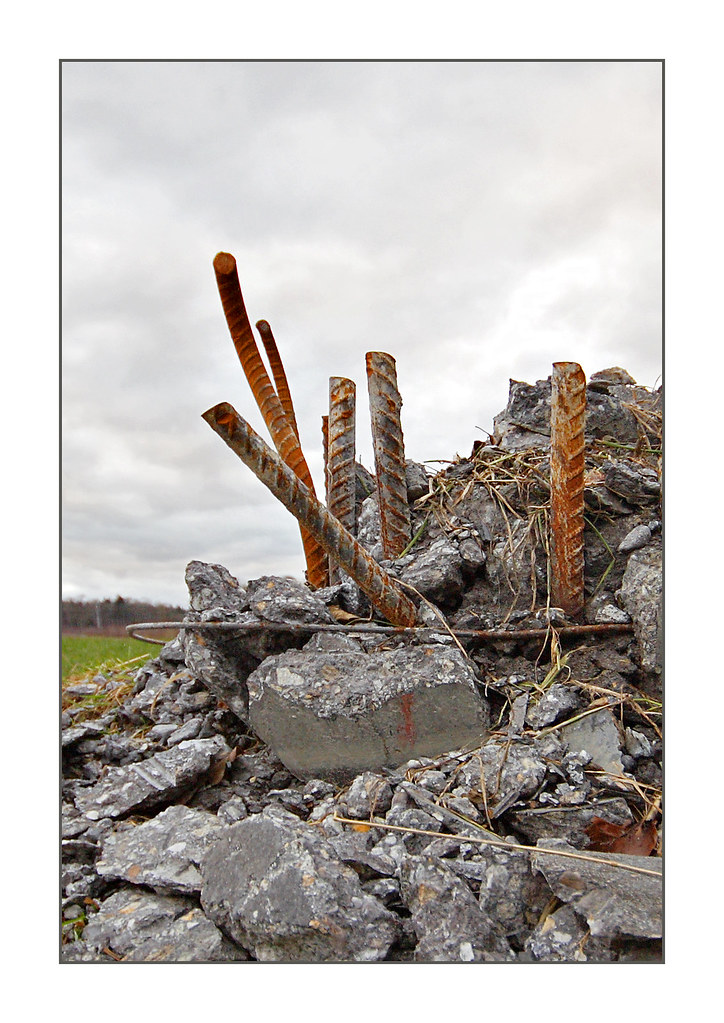
FDR Memorial – Washington DC – 00055 – 2012-03-15” by Tim Evanson is licensed under CC BY-SA 2.0: “They (who) seek to establish systems of government based on the regimentation of all human beings by a handful of individual rulers… call this a New Order. It is not new and it is not order.”

Sonnet: “Bring on the Violins”

Bring on the violins, the falling leaves,
the wistful ending to a misty day.
The long game’s over and we ride away
to sunset Heaven that no one believes.
Our world is dying, yet here no one grieves:
Earth warms, seas rise, but Wall Street’s still in play…
and we ourselves are aging anyway.
We all face death, and there’ve been no reprieves.
And yet, and yet…robotics and AI,
gene therapy, unlimited life span,
promise an almost-here-and-now sublime,
an unknown life, with our old life gone by.
Trumpet a fanfare for the Superman,
music for dancing to the end of time.

This sonnet has just been published in the Amsterdam Quarterly, this spring’s issue being on the theme of Beginnings and Endings. That may be relevant for our Covid-19 catastrophe, but of course the theme was determined a year ago, and life and death have merely decided to smile on AQ ironically.

But we were all facing death before this latest coronavirus came along. As the saying goes, “Perfect health is simply the slowest rate at which you can die.” And interwoven with death is always new life, never an exact repetition of the old life and often dramatically better. The real issue is, will the new life come at the expense of the old, or can the old reform and regenerate itself, renew itself without needing to die? The avoidance of death has been the quest of religion and medicine since those disciplines (or that discipline) originated. It is great driver of culture, and the pot of gold at the foot of the never-quite-reached rainbow.

Technically this is a correctly structured Petrarchan sonnet, with an initial octave (in this case of existential doom and gloom) rhyming ABBAABBA, followed by a volta (in this case a reversal to hope) for the sestet that rhymes CDECDE.

The sonnet is a marvellous structure for expressing an argument in a compact way.