
Tag Archives: Orbis

Shamik Banerjee, ‘A Poet’s Desk’

A rollerback and ballpoint, smartly standing
inside the holder, flash their dignity.
Illegible and lengthy roughwork, scrawled
on sheets, hint at a poem still expanding
or old stuff being polished thoroughly.
Upon this cropland, labour’s never stalled.

Two well-stacked books of minstrels from the past
refill this poet’s mental inventory
when it’s devoid of stock. Some letters, furled
and kept inside his drawer tell: he’s amassed
a tonne of publications and the glory
extended by the literary world.

Some white scrunched pages in the waste bin say
discontent looms at times. The gooseneck lamp
confesses how it stayed up with him through
the nights bereft of words. What takes away
such great distress? What remedy revamps
his mind? Perhaps the ashtray gives a clue.

*****

‘A Poet’s Desk’ was originally published in Orbis.

Shamik Banerjee is a poet from Assam, India. He currently resides in Gurgaon, Haryana. Some of his recent publications include Spelt, Ink Sweat & Tears, St. Austin, San Antonio Review, Sheepshead Review, The Trinity Review, Third Wednesday, and Amethyst Review among others. He secured second position in the Southern Shakespeare Company Sonnet Contest, 2024, and was nominated for the Best of the Net by Flapper Press.

Image by RHL and ChatGPT.
Poem on Poetry: ‘Poets Do Tricks With Words’

Poets do tricks with words,
play games, weld rhyme,
but we don’t do this nicely all the time–
we’ve also anger at unfairness, anger hot-white
at wasteful power, at greed and spite,
where fear meets selfishness, drives right and left
to persecution, torture, war and theft.

Each trick sticks bricks, fixed and unfixed,
into an apartheid verbal wall
that warbles claims to separate
sense from nonsense–though we appreciate
all’s one, all’s all the same,
word walls are just a Jenga game,
and all bricks fall.

We can play games with words,
thread and unthread them in a silly tangle,
loom and illuminate light warp, dark weft,
wrong them and wring them ringing through a mangle
as sometimes the only way
to find a new way to say
things said ten thousand times before:
how brightness has a rightness,
whether in the sky, the sea, a face or an idea.

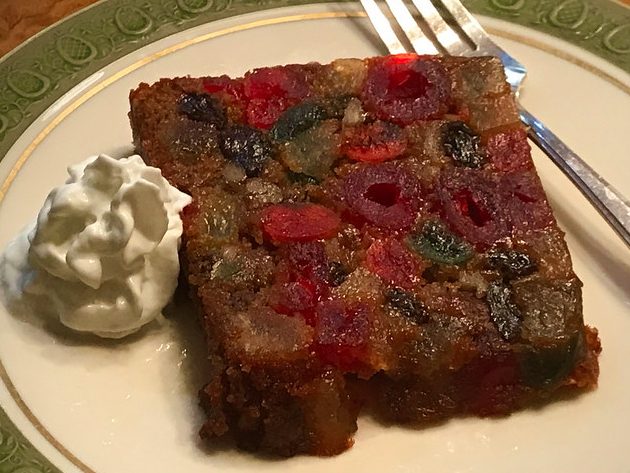
So cook with words, mix, bake,
packing in raisins, nuts, half cherries for a cake
with flour just enough for a pretence
that it’ll hold together and make sense.

*****

Formal? Free? The arguments about the appropriate structure for poetry in English never seem to end. The semi-formal compromise has been around for a long time: take the rhythmic, rhyme-rich ramblings of Arnold’s ‘A Summer Night’ from 170 years ago, or Eliot’s ‘Prufrock’, written in 1911. To me, the test of good verse is that it is easy to memorise and recite: the ideas and imagery have to be memorable, but so does the expression, word for word. The tricks may vary by language and culture, but whatever tricks the poet can manage to achieve memorableness are legitimate.

‘A Summer Night’ was in my English A Level curriculum <cough> years ago, and the middle section which I still know by heart encouraged me to run away from school. (I was found trying to sleep in a phone booth while waiting for a morning train, and brought back to school at 2 in the morning.) The poem’s semi-formal structure has always appealed to me with its rhetorical power, and over the years I’ve often used that freedom when writing about poetry, as in ‘Some Who Would Teach‘ and ‘Inspiration 2‘ and ‘Memorableness‘.

‘Poets Do Tricks With Words’ has just been published in Orbis, edited by Carole Baldock.

Photo: “National Fruitcake Day” by outdoorPDK is licensed under CC BY-NC-SA 2.0.