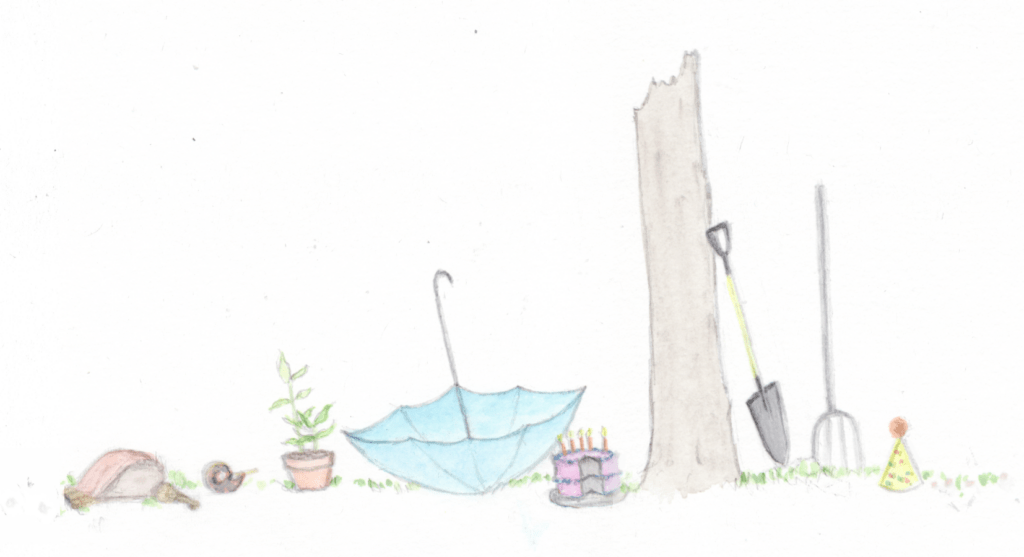
A very sensible story full of very, very, very, very, very good advice
Always carry crumbs
when you are wandering in the woods
beside the waters –
just in case

you need to mark a trail,
like in a fairy tale.

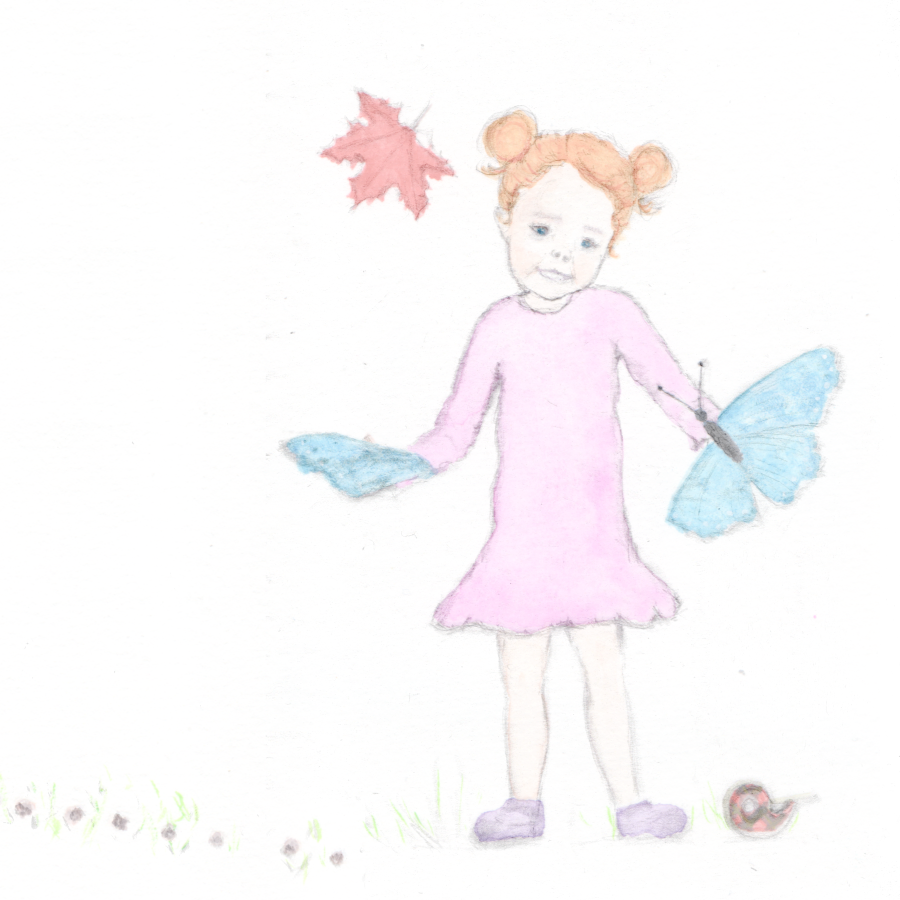
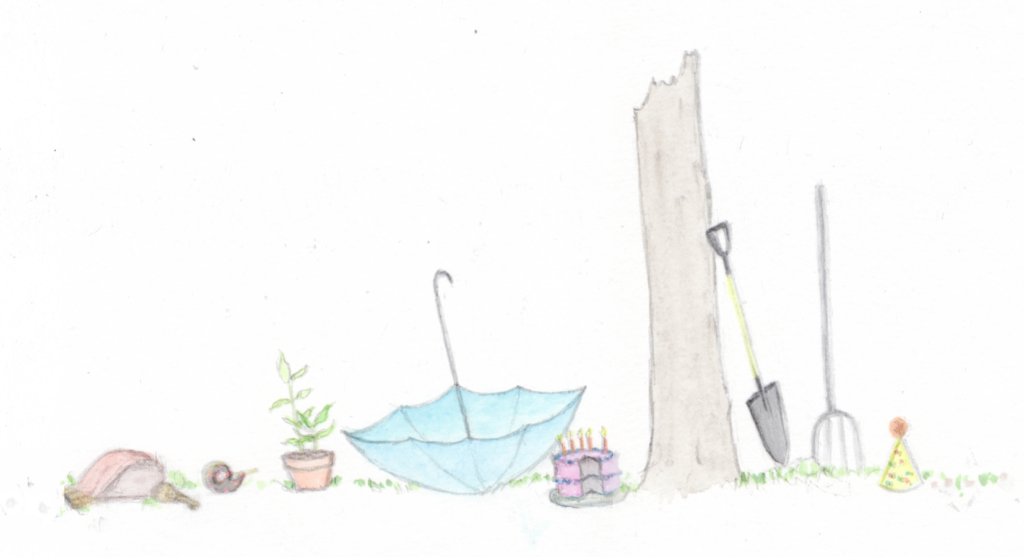
And always have a piece of tape
in case a butterfly breaks
off its wing while fluttering,
and always
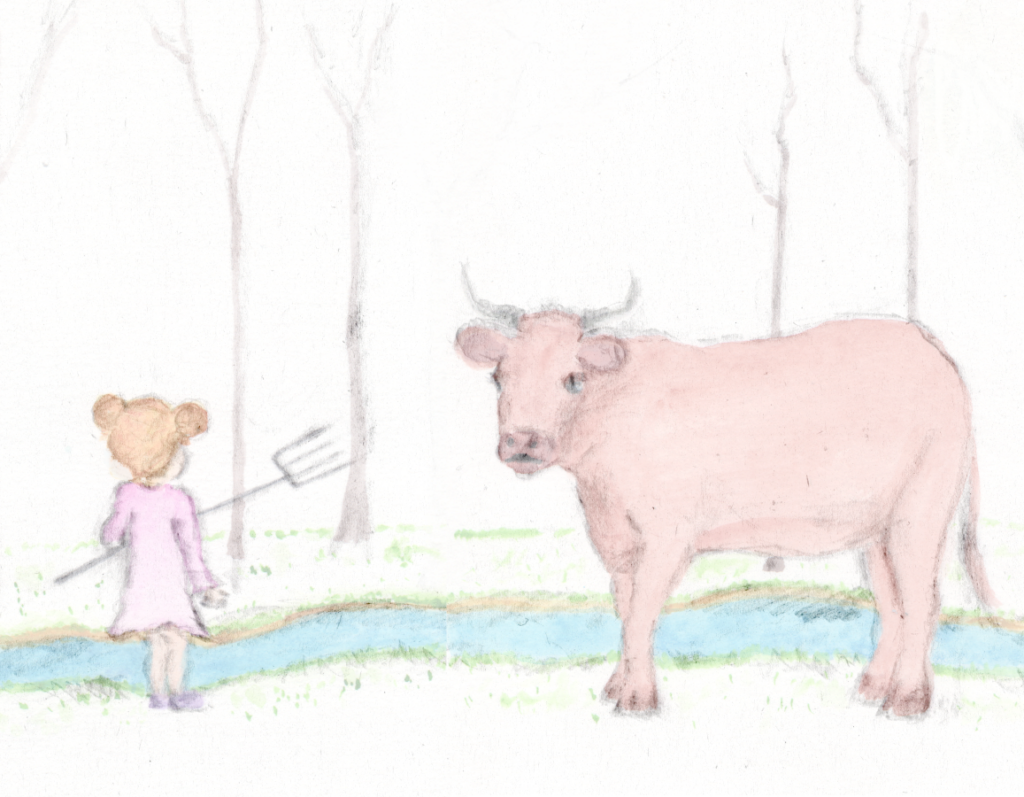
take a pitchfork
just in case
a cow
is also
wandering.
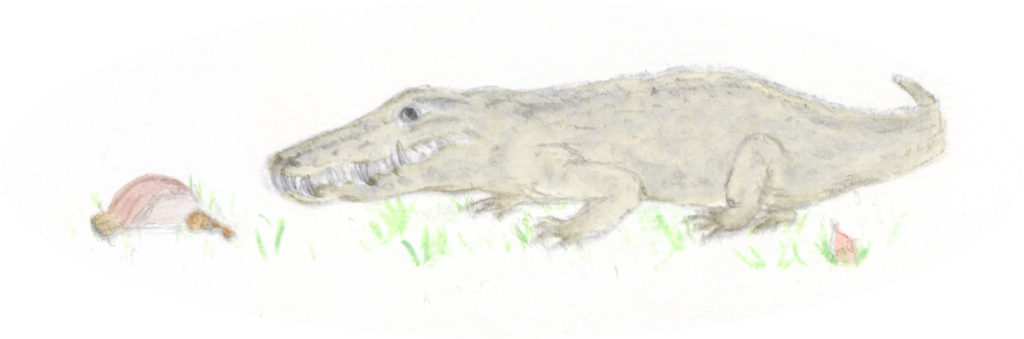
And always carry
extra food
like
roasted beef
or chicken legs
for escaped
crocodiles,

because they like to gnaw on legs,
and always take a mongoose
to defeat the snakes,
and always take a violin
for when
the birds are stuttering.
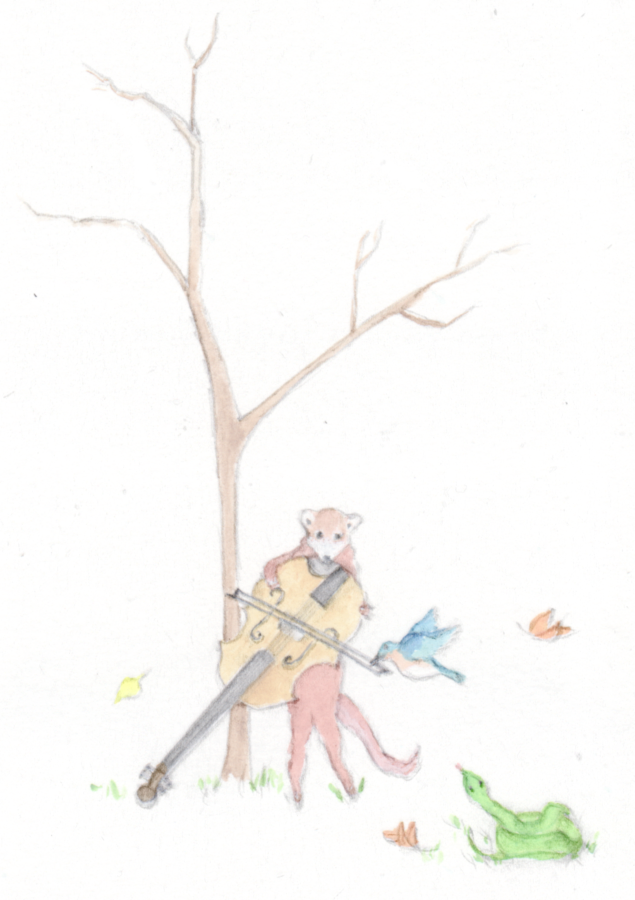
And always carry
party hats
and birthday cake
for any sons and daughters
of destitute woodcutters
who might be having
lonely
birthdays,
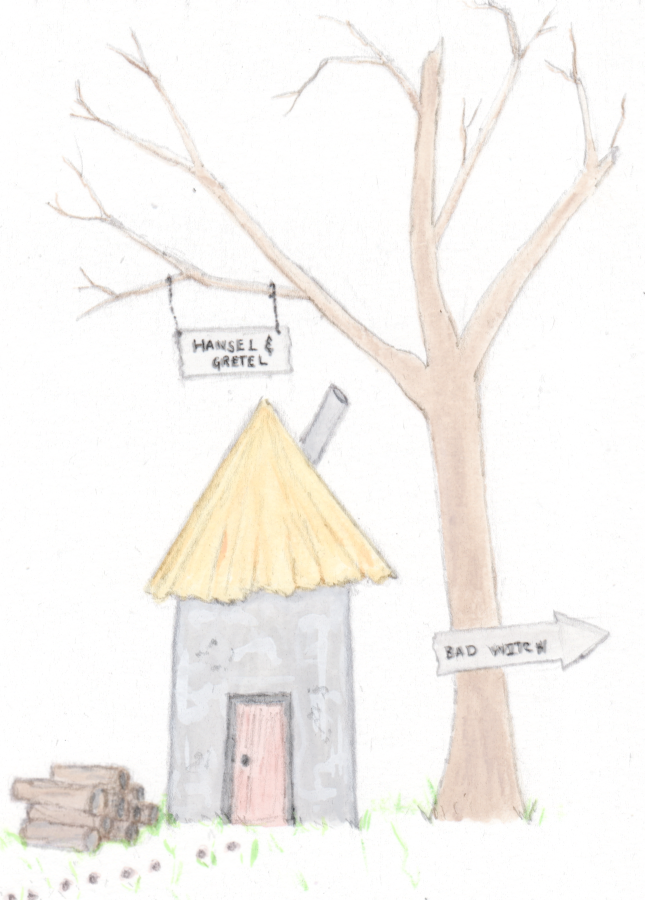
and always carry
an umbrella
because –

you know why.
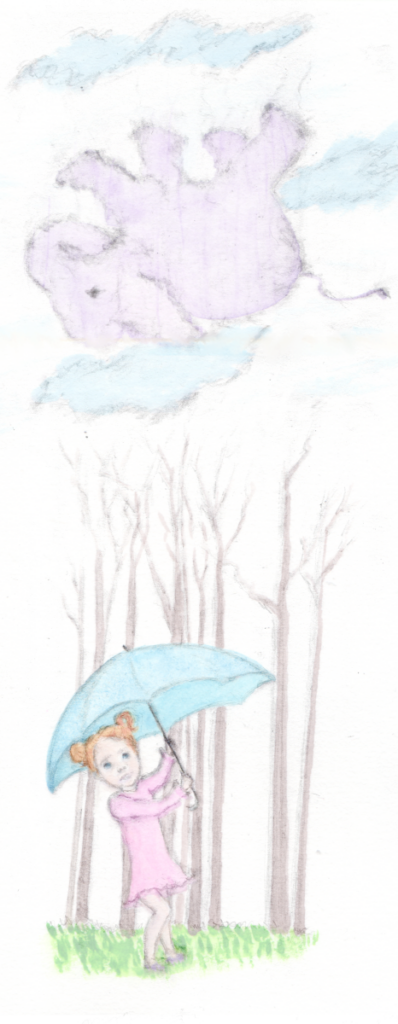
An elephant might fall out of the sky.

And always take a shovel
just in case
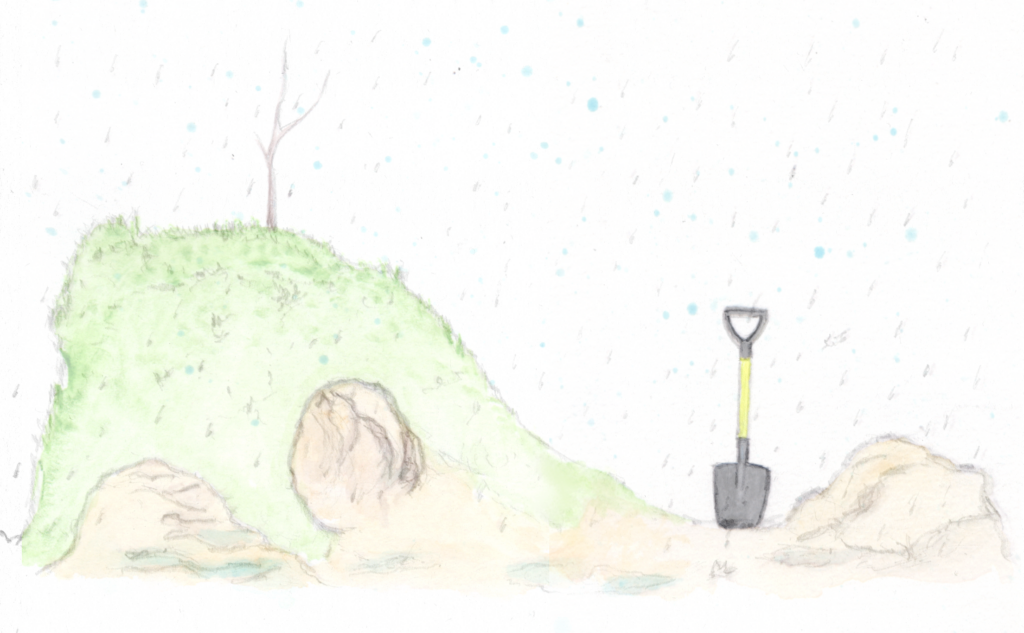
it rains –

so you can dig a little hovel
and stay dry,

and always take a potted plant
to brighten up that cozy space,

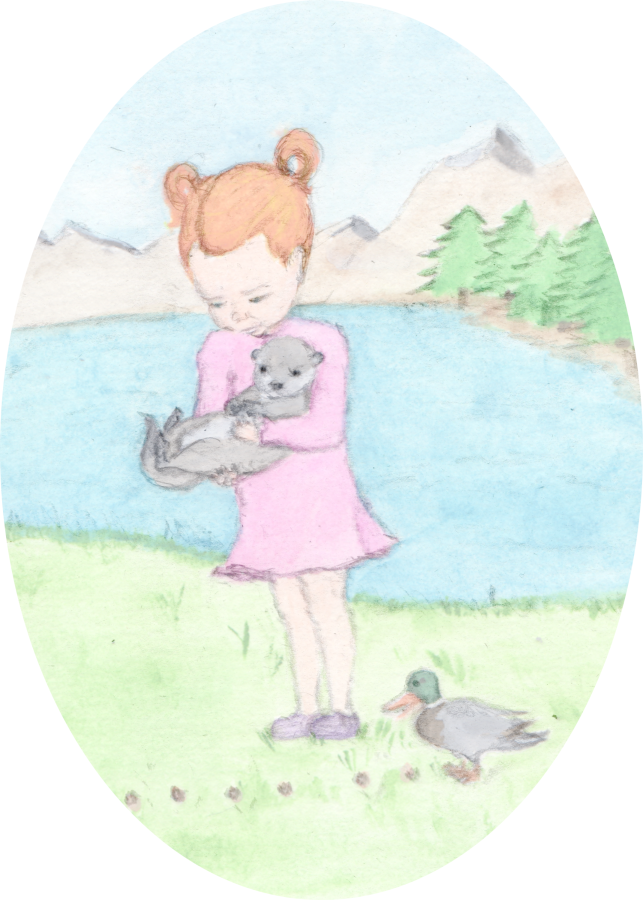
and always take a duck
in case
of lakes,

and always
carry otters.
*****
Isabel Chenot writes: “This was originally written and illustrated as a letter to the most magical six year old girl.”
‘What To Take For A Walk In The Woods’ was first published in Story Warren.
Isabel Chenot‘s first poem as a little girl was about marrying her cat Tig when she grew up: she married a good man instead, but kept scribbling poems and stories. The Joseph Tree, a collection of poems, is available from Wiseblood. For a preview of West of Moonlight, East of Dawn, her retelling of an old fairy tale, visit westofmoonlight.art.
 Form in Formless Times