Monthly Archives: March 2026

Daniel Brown, ‘Lovely Ones’


On some it will have not been lost
That lovely ones the world over
Expound, as part of their palaver,
On beauty’s costs—to take the most
Familiar, that they fear it’s never

Any but their outer traits
That captivate (a fear with cause)—
And yet consistently refuse
To speak of beauty’s benefits.
Perhaps because they’d sooner lose

Their loveliness, this company,
Than stand before the world and name
The gems that ever fall to them
For having it. Or possibly
A theory founded less on shame

Than mercy would be likelier:
That they refrain, these favored few,
From saying things that in their view
The rest could maybe bear to hear
But shouldn’t be required to.

*****

Daniel Brown writes: “This poem offers a couple of theories on why beautiful people don’t have much to say about the experience of being so. It appeared in The New Criterion, and in my collection What More?

Daniel Brown’s poems have appeared in Poetry, Partisan Review, PN Review, Raritan, Parnassus, The New Criterion and other journals, as well as in a number of anthologies including Poetry 180 (ed. Billy Collins) and The Swallow Anthology of New American Poets (ed. David Yezzi). His work has been awarded a Pushcart prize, and his collection Taking the Occasion (Ivan R. Dee, 2008) won the New Criterion Poetry Prize. His latest collection is What More?  (Orchises Press, 2015). Brown’s criticism of poets and poetry has appeared in The Harvard Book Review, The New Criterion, PN Review, The Hopkins Review  and other journals, and the LSU Press has published his critical book, Subjects in Poetry. His Why Bach? and Bach, Beethoven, Bartok are audio-visual ebooks available at Amazon.com. His website is danielbrownpoet.com .

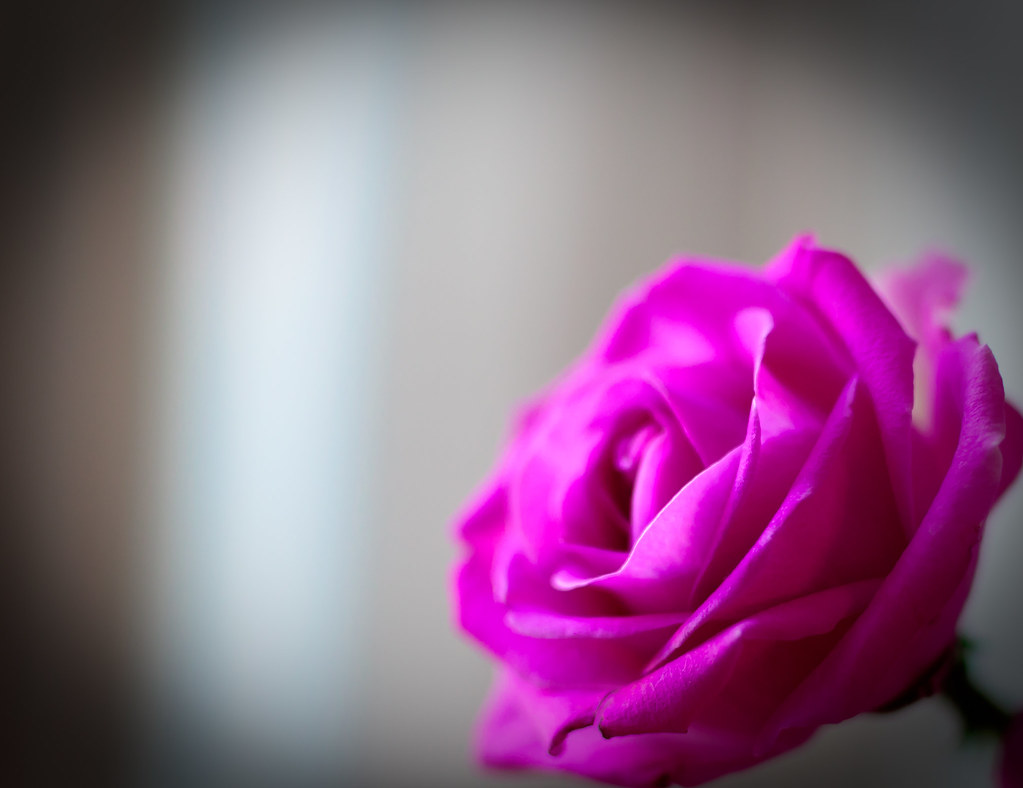
Photo: “Nature has the most beautiful colors (118/365)” by Tim Geers is licensed under CC BY-SA 2.0.

Using form: dactyls: Max Gutmann, ‘Junípero Serra’

Critics of Father Junípero Serra
Maintain that the priest was a murderous churl,
Killing American natives religiously.
(“Serra,” too, sounds like the name of a girl.)

Minor official in Spain’s Inquisition, he
Saw many heretics tortured and burned.
Some people frowned on such zealous conversion modes.
Serra took copious notes. And he learned.

Later, his ministry in the Americas
Opened a chain of magnificent missions.
There, after doing the building, the natives were
Shepherded out of their base superstitions.

Serra’s supporters admit that the shepherding
Sometimes went overboard. “Perfect he ain’t.”
Many who died, though, were first brought to Jesus and
That is enough to make Serra a saint.

*****

Max Gutmann writes: “The poem may be a bit behind the times. In my youth, Serra’s sainthood didn’t seem to me widely controversial, but after writing the poem, I started seeing that that had changed. Shortly before the poem appeared in Snakeskin in November, even the statue of him overlooking a highway I grew up near was removed. Of course, given all the reactionary revision of history going on, this remains a good time for light verse to tell the truth.”

Max Gutmann has contributed to New StatesmanAble MuseCricket, and other publications. His plays have appeared throughout the U.S. (see maxgutmann.com). His latest book, Finish’d!: A Pleasant Trip to Hell with Byron’s Don Juan, is forthcoming from Word Galaxy..

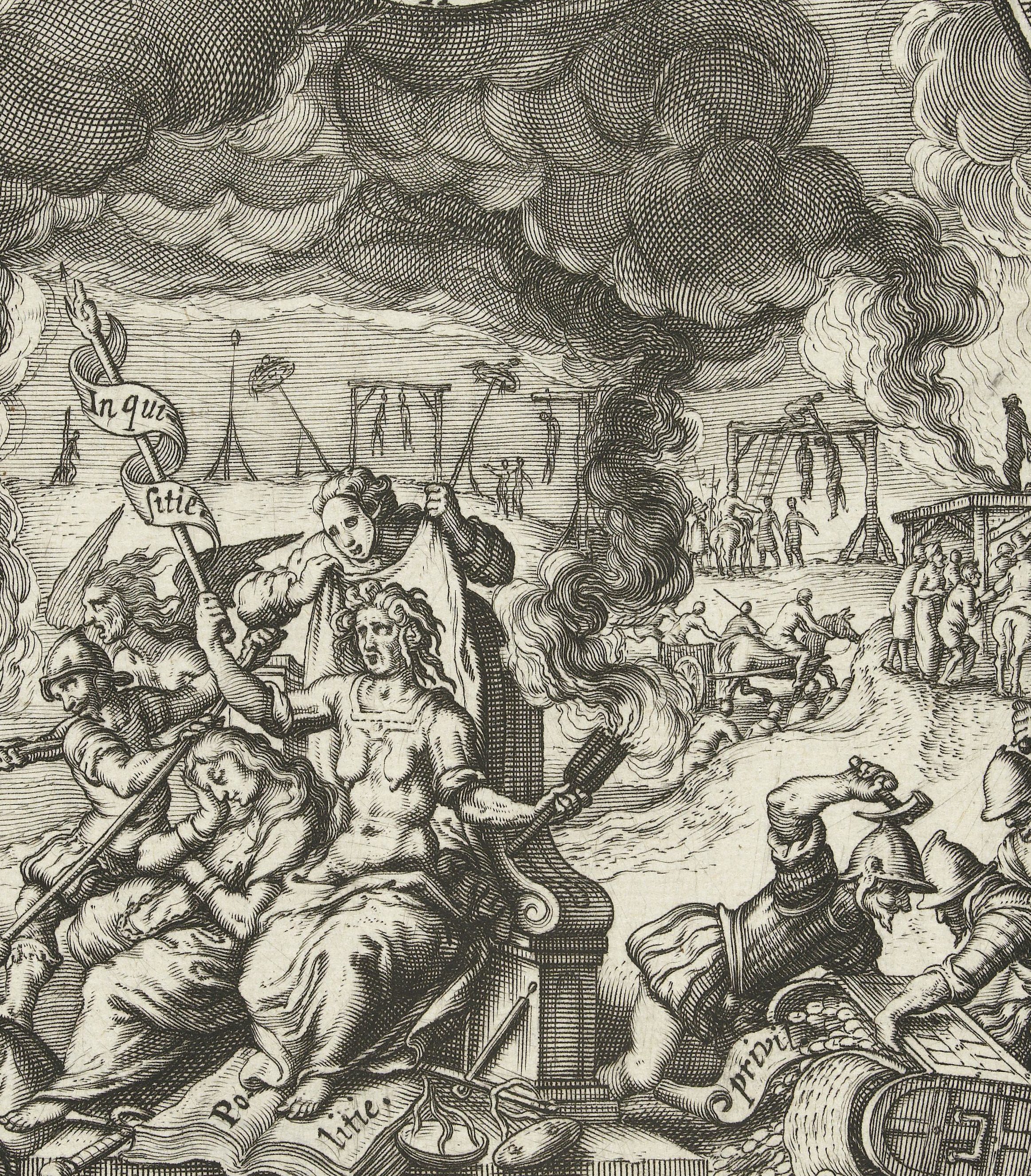
Titelprent voor Nederlantsche Oorloghen van Pieter Bor, 1621, RP-P-OB-79.017” by Rijksmuseum is marked with CC0 1.0.

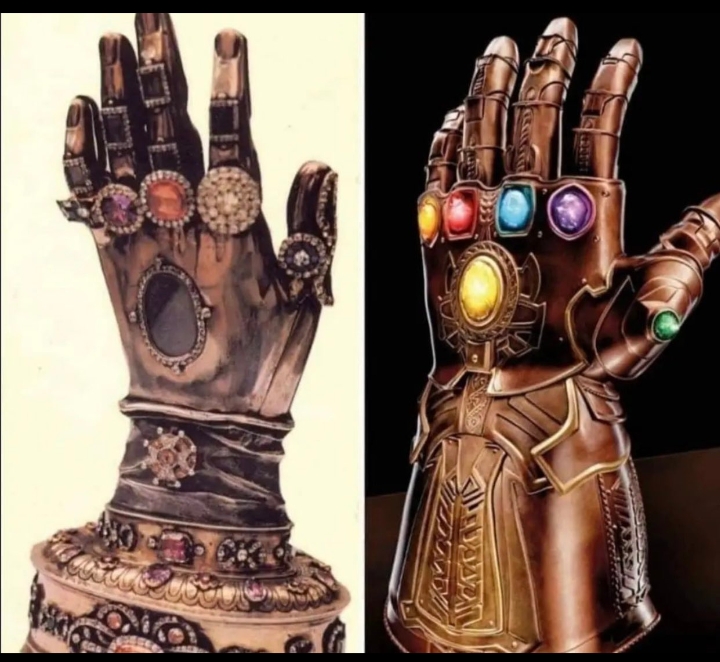
Sonnet variation: Gail White, “The Left Hand of Saint Teresa’

When the saint died, her best friend and confessor
cut off her hand. (What are friends for?) The shrine
at Ronda keeps it as a sacred treasure,
covered with glass and gold. I can’t assign
a special magic to those long-dead fingers,
lacking the power or the will to bless.
But with the faithful some enchantment lingers
over the bones, some touch of holiness
that once informed a living heart. I know
the spell I feel here will not come outside
with me, will never cheer me in the dark,
but for Teresa’s lovers, every tree
breathes miracles, and Ronda’s grassy park
abounds in babies whose young mothers planned
their nursery colors once they touched her hand.


Gail White writes: “This is one of about 3 poems based on my attraction-repulsion relationship with the cult of holy relics.  I’ve seen a number of relics, including Catherine of Siena’s head, which is really a creepy sight.  But after all, holiness is in the believer’s heart rather than in the subject’s bones, and that is what I have tried to get across with this poem for St. Teresa.”

This poem is the winner of Plough’s 2025 Rhina Espaillat Poetry Award.

Gail White is a widely published Formalist poet and a contributing editor to Light.  Her latest chapbook, Paper Cutsis out on Amazon or from Kelsay Books. She lives in Breaux Bridge, Louisiana, with her husband and cats.

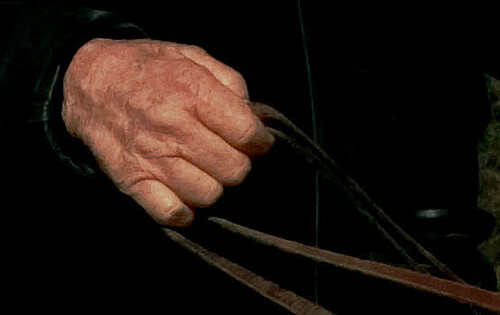
Photo: The Hand of Saint Teresa in the church of Nuestra Señora de la Merced in Ronda, Spain. This piece is traditionally visited & kissed by Christians.