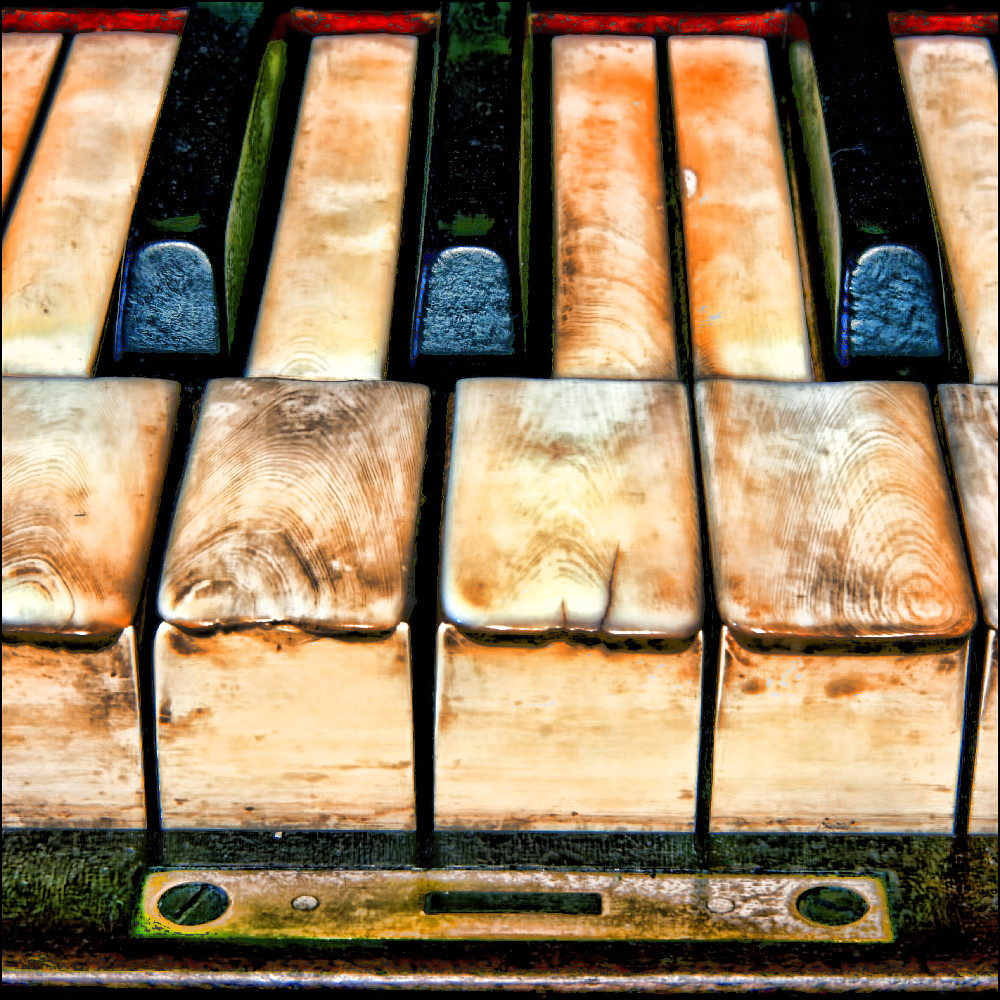
Notes left behind by strangers long since dead
entranced my mother—not the squiggles, dots
and lines themselves, but what musicians read
from them on radio, the sounds ink spots
had spelled. In quartets and in Claire de lune,
her young ears heard what many can’t discern:
enchanting, complex things—beyond the tune—
about which she had little chance to learn.
When she grew up, her voice was warm and rich
as those of many singers who’d been schooled
in breath control and quarter notes and pitch.
She was as musical as some who’ve ruled
the concert stage—but she sang in the car
and kitchen; we heard her wide repertoire.
We heard her car and kitchen repertoire
of opera arias, concerto themes,
and deep regret she never got as far
as piano lessons. Her childhood daydreams
were seeded by the sagging upright housed
at her Aunt Margaret’s—maybe she’d learn there?—
and fed by radio: Puccini roused
her love of opera, Brahms made her aware
of string-sung drama. She pursued her chances
to learn and listen—and also to plead
for lessons, though her parents’ circumstances
made that impossible. But she’d succeed
in giving her kids what she’d never had—
assisted in that effort by my dad.
It took substantial effort. Mom and Dad
lacked wealth, but not love or imagination.
Wrong turns became adventures, plans gone bad
would show up later in a wry narration.
Fun for us kids was low-cost, even free:
a paper crown on birthdays, or a game
made out of raking leaves, or a decree
that it was Ice Cream Tuesday. We became
as skilled as they were at composing joy:
we heard another music in our days
of sibling harmony, learned to deploy
exuberance and laughter as one plays
an instrument. And then catastrophe
and cleverness brought opportunity.
Our clever dad saw opportunity
when fire destroyed a nearby school, with all
its contents lost—including, doubtlessly,
the old piano. But Dad made a call
and had the badly damaged upright brought
to our garage. It was a rescue mission:
the smoky wreck could be revived, he thought.
He’d never played, and he had no ambition
to do so, but he always had been good
at fixing things. And so he scrubbed the keys,
patched felts and hammers, and restored the wood
of the disfigured case. And by degrees,
the sooty hulk became something we prized.
Untrained, unmusical, he’d improvised.
With talents of his own, he’d improvised,
so we could, too. And he and Mom had planned
and saved so we’d have lessons. Though advised
to start us at age seven, Mom had grand
ambitions for my younger hands. At six,
I got to know the keys and clefs with smart,
no-nonsense Mrs. Steffen, who would mix
high standards and commitment to the art
of making music with kid-friendly stuff.
I played a little Mozart (simplified),
a piece called “Crunchy Flakes” and other fluff,
some basic boogie-woogie, drills that tried
my patience. And my two sisters and I
all played—too loudly—Brahms’s lullaby.
We all played Brahms’s famous lullaby,
and argued over which of us would get
to practice next; I knew the time would fly
when it was my hour. Paired in a duet,
two sisters often bickered just as much
as we made music, but we learned to work
together, synchronize tempo and touch,
forget the other could be such a jerk.
Years later I made music my profession,
and it became both job and joy, a route
to self-sufficiency and self-expression—
a gift whose worth I never could compute,
from parents who would never read a score,
but who would give us music and much more.
They gave us music, but a great deal more
than just the audible variety.
Their well-tuned lives—examples set before
us kids—were also music. They taught me
to practice patience in both work and play;
to face discord and my mistakes with poise;
to transpose trouble to keys far away;
to find and share the song within the noise.
My mother’s dreams, my father’s diligence,
and love composed a priceless education.
And those gifts all enrich the resonance
I hear in Bach and Brahms—in my translation
of small black symbols in the scores I’ve read:
notes left behind by strangers long since dead.
*****
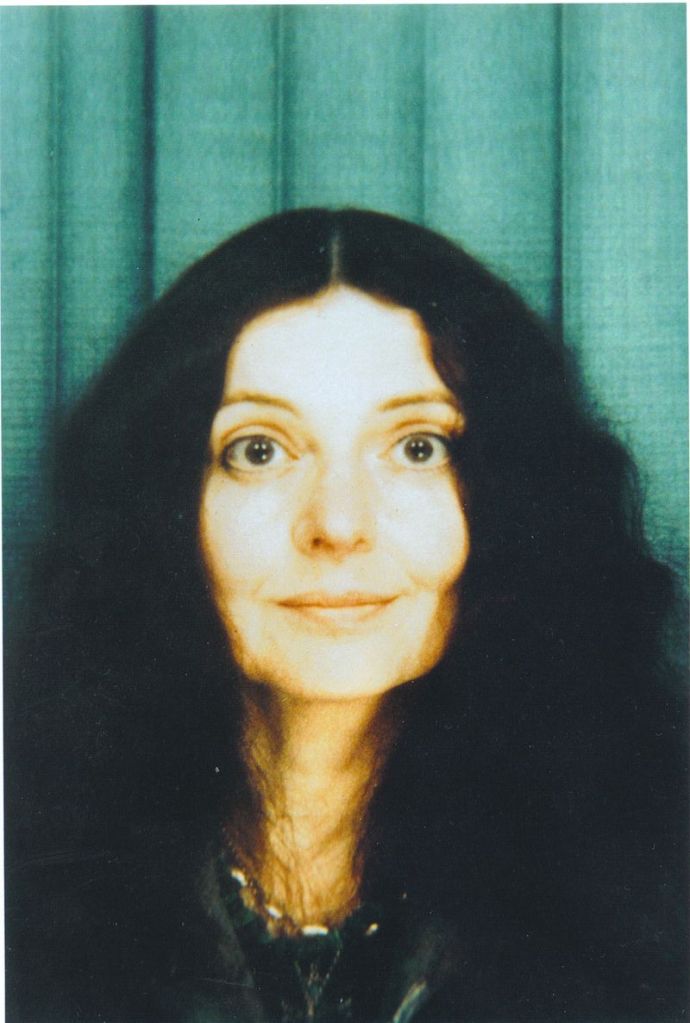
Jean L. Kreiling writes: “I often find myself reminding readers that poems are not always autobiographical—but ‘Another Music’ is thoroughly autobiographical, and it’s meant to honor my devoted and fun-loving parents. My mother’s love of music and my father’s brilliance did shape much of my life, and my parents gave me (and my siblings) a richly happy and secure childhood. My parents’ legacy has lived on in the lives of all of their children: music has been important in all our lives, and family has been a top priority and a joy for all of us. Mom and Dad supported my work as a poet just as enthusiastically as they supported my musical endeavors, and I’m grateful that they both lived to see my first book of poems published.”
‘Another Music’, a seven-sonnet crown, was originally published on Talk to Me in Long Lines.
Jean L. Kreiling is the author of four collections of poetry; her work has been awarded the Able Muse Book Award, the Frost Farm Prize, the Rhina Espaillat Poetry Prize, and the Kim Bridgford Memorial Sonnet Prize, among other honors. A Professor Emeritus of Music at Bridgewater State University, she has published articles on the intersections between music and literature in numerous academic journals.
Photo: “~ Play with me… ~” by ViaMoi is licensed under CC BY-NC-ND 2.0.
 Form in Formless Times