Tag Archives: enjoyment

Lindsay McLeod, ‘Harvest’

There’s just so many nows in forever
if we’re apart or together as one,
we’d better cherish them all if we’re clever
make the most of our time in the sun,

‘coz it’s where we are led whether up or in bed
there’s one funeral we all must attend,
because somewhere ahead the sea kisses the sky
and the name of that place is the end.

*****

Lindsay McLeod writes: “‘Harvest’ was made as an end piece for the second book I wrote for my daughter.” It was originally published in Grand Little Things.

Lindsay McLeod currently lives by the sea on the Southern edge of the world, where he trips over the offing every morning. He has been published here and there in the past and won a few awards. He has started messing about with words again lately after a few necessary years away. You might expect him to know better by now, but oh no.

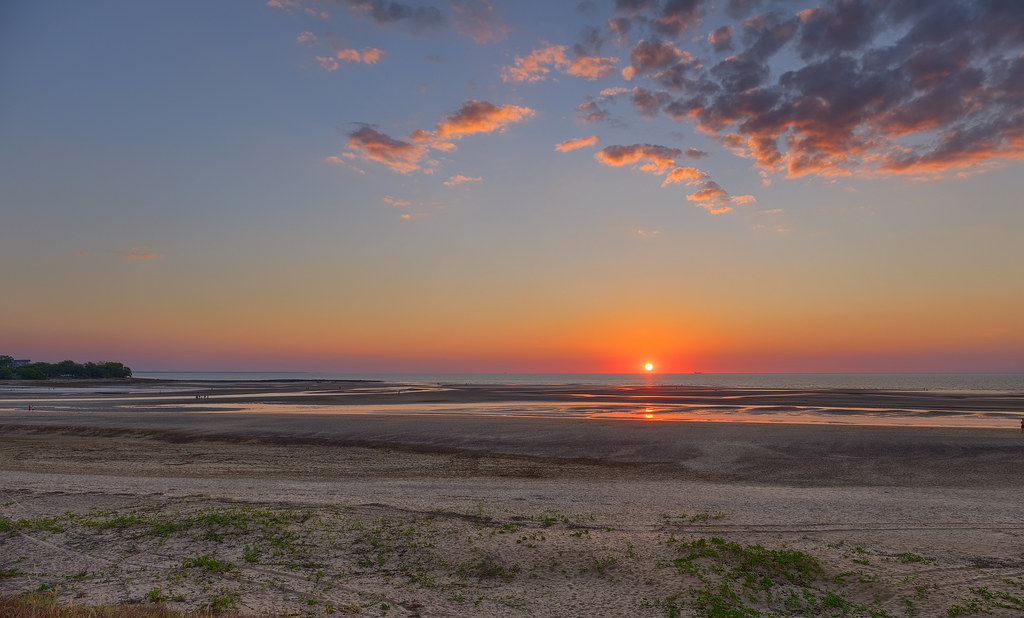
Photo: “Another Timor Sea sunset from Casuarina Beach, Darwin, NT, Australia” by Geoff Whalan is licensed under CC BY-NC-ND 2.0.

Sonnet: Jenna Le, ‘Guilty Pleasures’

Half of my favorite works of fanfiction
are stories that anesthetize the pain
produced by the original’s depiction
of harsh events: the person whom the main
character loved who met a tragic end
is resurrected in the fan-made sequel;
the star-crossed couple gets a chance to mend,
and consummate, a bond that has no equal.

The other half are stories that prolong
the pain and also boost its magnitude
deliciously until my nerves all tingle:
near-misses multiply, and roadblocks throng;
epiphanies loom close yet still elude;
misunderstandings keep our heroes single.

*****

Jenna Le writes: “I believe there’s been a fair amount of published scholarship in recent years about fanfiction and fanfiction culture. I admit I’m not up-to-date on any of it, really, and am only really conversant with such aspects of it as I have personally chanced to encounter. I can only say there seems to have been recent movement toward increased legitimization of the field: in 2019, one of the prestigious Hugo Awards for speculative fiction was awarded to a body of fan-work/transformational work, for instance. Just as for other flavors of fiction, there are probably infinitely many ways to classify and subclassify fanfiction. Novelist Naomi Novik‘s work and interviews are maybe a good place to start looking, for people curious to learn more.”

Jenna Le (jennalewriting.com) is the author of three full-length poetry collections, Six Rivers (NYQ Books, 2011), A History of the Cetacean American Diaspora (Indolent Books, 2017), and Manatee Lagoon (Acre Books, 2022), https://press.uchicago.edu/ucp/books/book/distributed/M/bo185843950.html The sonnet ‘Guilty Pleasures’ was first published in Snakeskin.

Photo: “guilty pleasure” by ohmann alianne is licensed under CC BY-NC-ND 2.0.

Poem : ‘Some Who Would Teach’

Some who would teach
Preach,
But speech cannot reach
As far as silence.

Even the stars perhaps are noisy, but, far as they are,
We hear their silence, not their sound.

Words are not for teaching, adding or changing.
Words can only express
What is already known
To one who already knows.

Words feathered together
Can lift aloft
Any body of men.
Opinions are pinions
With which men fly.
But they come down again
And with their descent
What was meant
Is often lost, or is known
To have never been known.
For a word is a wing
But a body’s a thing
And the body is always the body
But the wing only is when it flies.

Therefore not by talking but being
Does one teach how to be,
And words are for singing–
A song sung
By those knowing their winging as being but having no meaning.
And the best words
Come from birds.

I wrote this, but do I subscribe to the ideas? Did I ever? Not in any absolute sense, but as a rejection of all noisy preachers of faiths, and a rejection of those who put academic lectures ahead of experiential learning. In that sense this (early) poem prefigured my 25-year career teaching business finance through the Income-Outcome interactive games we developed for global clients like Beam Suntory, Michelin and hundreds of other companies and universities.

In another sense this poem is just about the enjoyment of words and songs, regardless of any meaning that the words may have.

It was published by Anima Magazine in the UK, unfortunately quiescent since 2018.

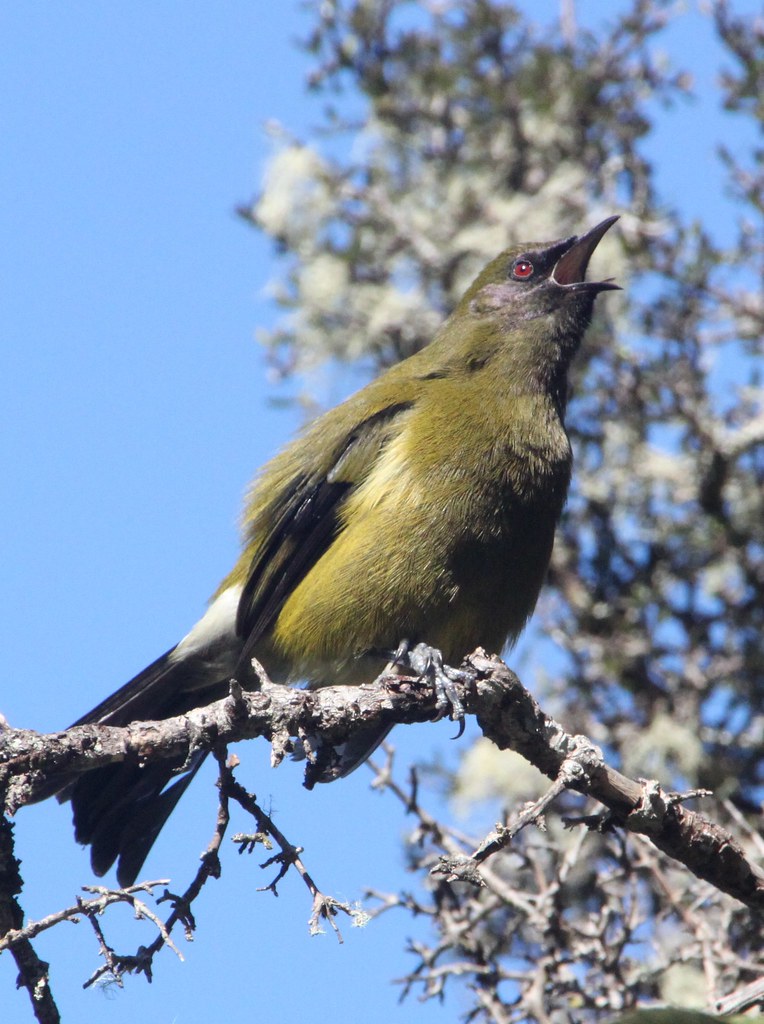
Photo: “Korimako (Bell Bird) singing” by theirishkiwi is licensed under CC BY-NC-ND 2.0