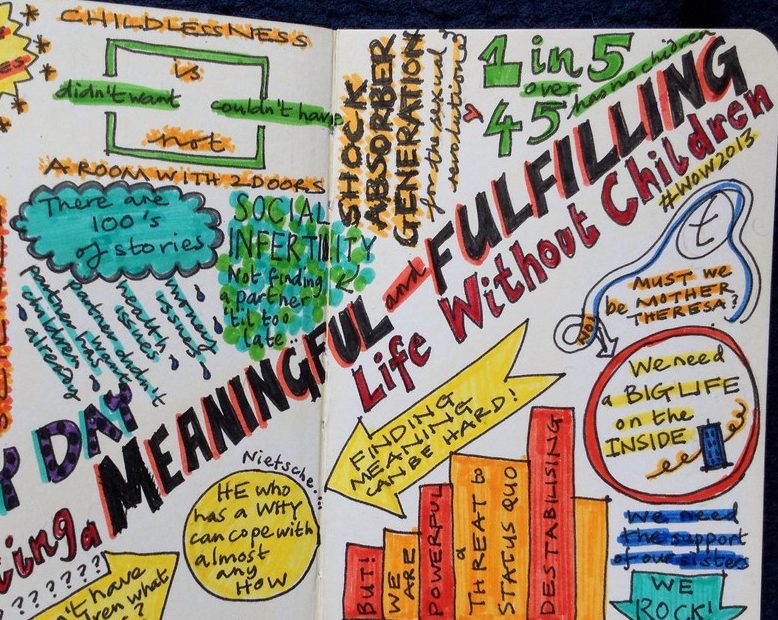
What ends with me? A set of genes, The notion that my slender means Might turn into a son’s estate, The hope that, at some distant date, Beside my grave, my line convenes
To recollect my days’ routines, My counsels, and the vanished scenes Whose witnesses would recreate What ends with me:
The consciousness that struts and preens In holding that its passing means An altering of our species’ fate, My thought possessed of untold weight. Yet, on that thought, the question leans– What ends with me?
*****
J.D. Smith writes: “After reaching a certain age and making certain commitments, I found myself coming to grips with never being a parent. As in other instances of following form, the repetitions of the rondeau gave me a way to enclose and develop my response to the situation.”
J.D. Smith has published six books of poetry, most recently the light verse collection Catalogs for Food Lovers, and he has received a Fellowship in Poetry from the United States National Endowment for the Arts. This poem is from The Killing Tree (Finishing Line Press, 2016). Smith’s first fiction collection, Transit, was published in December 2022. His other books include the essay collection Dowsing and Science, and his seventh collection, The Place That Is Coming to Us, will be published by Broadstone Books in 2025. Smith works in Washington, DC, where he lives with his wife Paula Van Lare and their rescue animals. X: @Smitroverse
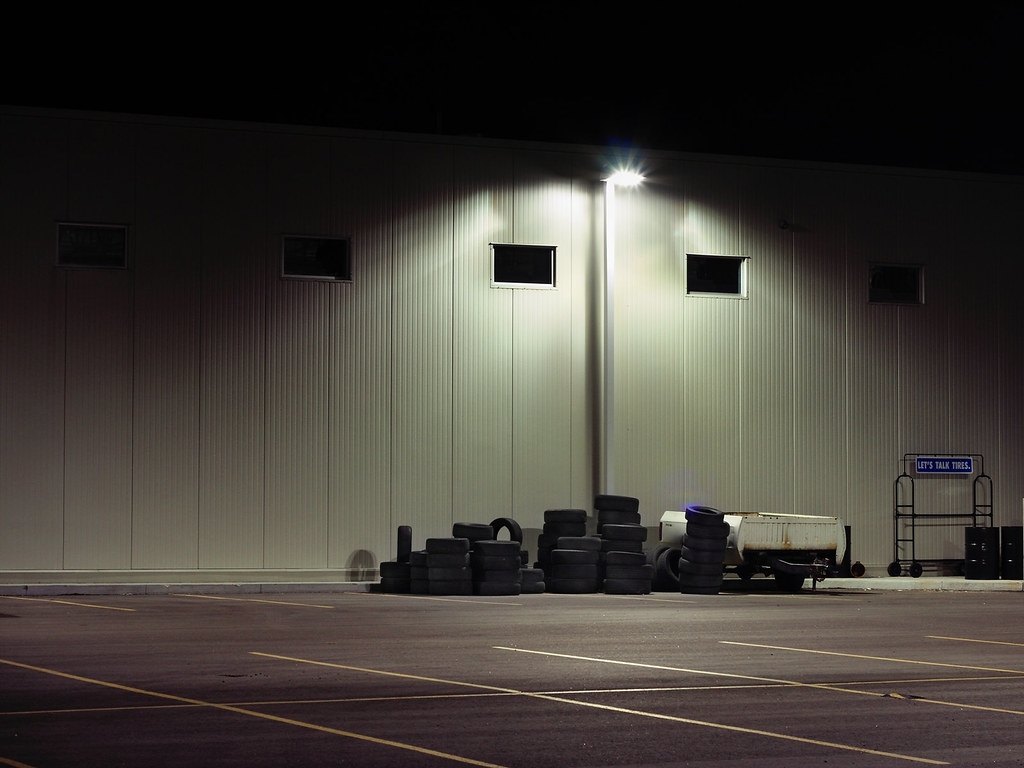
The car mechanic’s counting out his bills behind the E-Z Mart at one a.m.; he’ll toss rocks at beer bottles just for thrills until his dealer comes, it’s fine with him.
He draws in a deep breath and sees the light swerve from the highway, puzzling the back wall he leans against just to keep out of sight. A quarter bag and some fentanyl, that’s all.
His phone vibrates again though nothing’s wrong. For two years he’s been living in a trailer with a girl who works at Publix. They get along even if sometimes she says he’s a failure—
what can he say to that? Sure. He lives cheap. They’ll fight until she forces a decision, then roll around on the couch. Once she’s asleep he’ll take a dose and watch some television.
At night he dreams of cylinders and sprockets, the trucks and cars too busted up to fix; startled awake, eyes aching in their sockets, he’ll watch the clock hands grope their way to six.
A car pulls up but he can see it’s not his hookup. Just kids with nothing else to do but drink a six-pack in the parking lot before they head out to the lake to screw.
He had his share of mischief, too, Lord knows. The girls don’t eye him in the check-out aisle much anymore, the ones with painted toes. A few years back, at least, they used to smile.
The boys can see the grease that stains his hands; they all think, damn, who wants to work that hard? He spends the day beneath their dads’ sedans while they play tackle football in the yard.
Chasing a football blew out both his knees and broke his wrist. That was three years ago. Customers say, “go Stags,” and toss their keys, then look at him real close as if they know.
A text says no one’s coming. The BP sign flickers over the pumps, and though it’s half- past two now, and he’s tired, he’s feeling fine enough to think it’s all a bust, and laugh.
And, anyway, it’s good to be alone with the gas fumes and blinking traffic light and fifteen missed calls lighting up his phone. Later, he thinks, once he and his girl fight,
and once she falls asleep on his left arm, he’ll stare at the divots on the ceiling tile and wait to hear the clock sound its alarm while the night’s odometer counts one more mile.
*****
Morri Creech comments: “As Mark Strand once said, I write to find out what I have to say. I don’t start a poem with an idea; I start with a line, an image, a rhetorical stance. Then I write in search of context: how can I situate this in a situation, a narrative moment, an argument, a meditation? The language takes me wherever I end up. This poem was constructed like that. I started with a first line and then wrote toward trying to figure out the context of the line. In this case, it led me to a character sketch. It was fine to discover what this character was about; the decisions I made about his character and circumstances were largely directed by rhymes. They steered me in what I hope was the right direction.”
Morri Creech is the author of five collections of poetry, including the Sleep of Reason, a finalist for the Pulitzer Prize, Blue Rooms, and The Sentence (published by LSU Press, and which includes this poem). A recipient of NEA and Ruth Lilly Fellowships, as well as North Carolina and Louisiana Artists Grants, he teaches at Queens University of Charlotte. www.morricreech.com
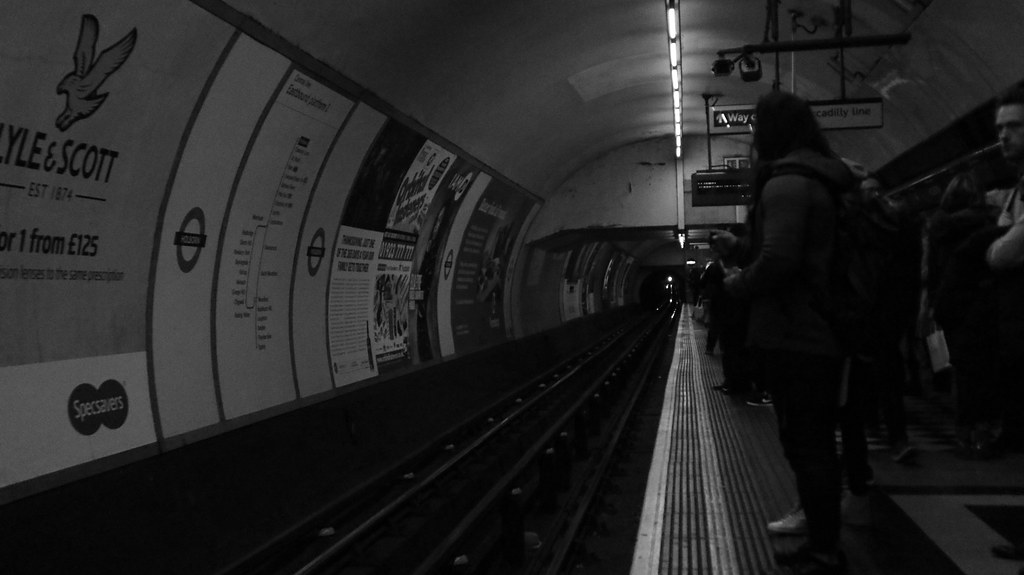
Christian culture’s crucifixation nails us to our seats as, station by station, we travel the trammelled line until we find that terminal more primal.
The humanstrain’s end-of-line stop is Ragnarok. Everyone please disembark into the dark– no light, no map. Mind the Ginnungagap.
*****
This is as close as I get to religion: existential uncertainty. I’m a Militant Agnostic: “I don’t know… and neither do you!” Yet this attitude is apparently compatible with religion, being not that different from Eliot’s ‘East Coker‘: O dark dark dark. They all go into the dark, The vacant interstellar spaces, the vacant into the vacant, The captains, merchant bankers, eminent men of letters (…) I said to my soul, be still, and let the dark come upon you Which shall be the darkness of God. But Christianity? I think not. Altogether too unlikely, with so many impossibilities packed into such a small understanding of the cosmos. We don’t know where we are headed, not just as individuals with finite lives, but as a species that is simultaneously developing space travel and genetic modifications… the possibilities are endless and the future, dark as well as light, is unknowable.
The poem is semi-formal with its loose iambics and paired rhymes or slant rhymes, but no structure beyond its natural flow. It was originally published in the Experimental section of a 2019 issue of Better Than Starbucks, and republished as part of work being spotlighted in The HyperTexts in August 2024.
Don’t think, while you are holding him, of deadlines, of monster Visa bills you haven’t paid, of NPR reports on gangs and breadlines and kooks with nukes available for trade.
Don’t think of whom you owe a three-course dinner, of editors you wish you had impressed, of whether you should be two sizes thinner and twice as nice to look at when undressed.
Above all, never think of how time’s racing toward commonplaces you’re afraid to name– white halls, bleak calls, the foregone mortal ending;
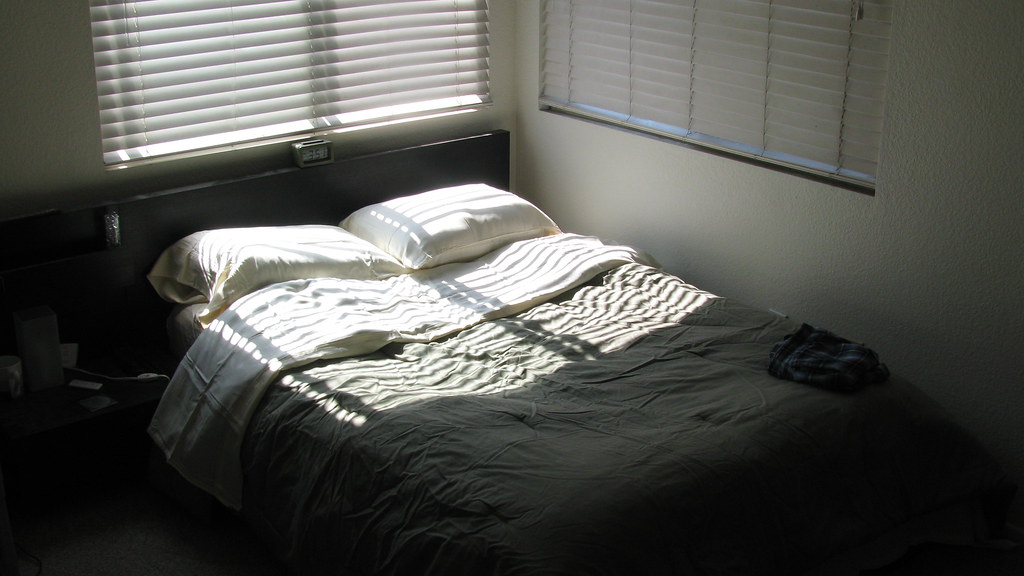
how you or he (which one?) will soon be facing long nights where solitaire’s the only game. Don’t think: just wink at him and keep pretending.
Melissa Balmain writes: “Like many formalist poets, I miss the Nemerov Sonnet Award (for which this poem was a finalist). The Nemerov spurred many of us to write more sonnets, and gave us terrific ones to read when the winners and finalists appeared in The Formalist and, later, Measure. Other contests have emerged to fill the post-Nemerov void, including the wonderful Kim Bridgford Memorial Sonnet Contest, sponsored by Poetry by the Sea. Still, I’d love to see the Nemerov come back somehow–the more good sonnets, the merrier.”
Editor’s comment: In addition to the sonnet’s expected rhymes at the end of each line, Melissa Balmain has thrown in a bonus internal rhyme at the beginning of the last line of each quatrain and tercet. It is quietly done, but adds lightness to a poem that is both light and dark in subject matter.
Melissa Balmain’s third poetry collection, Satan Talks to His Therapist, is available from Paul Dry Books (and from all the usual retail empires). Balmain is the editor-in-chief of Light, America’s longest-running journal of light verse, and has been a member of the University of Rochester’s English Department since 2010.
Ghosts twitter in my head like the memory of predawn birds. Digging below my present house I find a structural supportive past with rock veins to be mined. Upstairs the future isn’t fully built or roofed. Has someone goofed? The Architect is vague on final thirds.
*****
I am finding many ways to say I don’t understand existence at all; this is one of them.
This short, semi-formal poem was published recently in The Lyric.
A life is a bubble: somewhere the Grand Druid dips his wand into the universal fluid and then a new life is formed, floating on chance breezes until it – pops – and the thin skin coating falls back to earth as mere drops, the shape and rare rainbow glint gone to air, and the bubble is where?
Earth is a bauble in the universal flux, as it foams, boils and freezes, just dust from God’s various mucks, sneezes afloat on chance trans-solar breezes.
The humans babble, rabble rising from the rubble of other lives cut to stubble, they burble some Bible as they gab, grab and gobble, cobbling conning towers of Babel and Hubble, their progress hobbled by their wobbly bobble, reams of hopes, dreams and schemes just a bubble.
*****
Sometimes a chance-occurring phrase in some moody mode of thought lets me ramble wildly through tangled words and ideas. It’s not amenable to regular form, but it’s fun. It seems in the spirit of Spoken Verse, though I’ve never performed. The earliest poem I wrote in this style is from over 50 years ago… which is 30 years before I ever had a poem accepted for publication. I was definitely out of step with the non-verse that then controlled the poetry industry to the exclusion of almost all actual verse. Things have eased in recent years, and dozens of poems from those early years have since been published. (Note to struggling young poets: Don’t give up! But have another career that pays money!)
Anyway, ‘Life is a Bubble’ only needed a couple of years to be published in 2024 in The Lyric.
How brashly brave, embroiled in this brief life, we chance our challenge to the unchanging gods! Strike poses, strut the strident stage of strife, take optimistic oaths against all odds.
Fearless of foes, false friends, futility, we wrack our reason to reach, undestroyed— though usually of no utility— a burst of brightness bettering the void.
*****
Although I prefer to maintain an unobtrusive persona myself, I subscribe to this philosophy of bravado existentialism. The florid alliteration suits the message.
This poem is published in the current issue of Light – thanks, Melissa Balmain and all.
Odin wrote runey verse Rumi wrote Sunni verse Edward Lear? Loony verse. Question the universe with your buffoony verse.
*****
Sometimes you jot down a little light piece inspired more by wordplay than anything else, and the more you look at it the more it resonates. This is one such. The characters are diverse, coming from pre-literate Scandinavia, Renaissance-inspiring Islam, and Victorian England – they touch the roots of my cultural identity. They are from the past, but their searches are timeless, fully modern, quintessentially human. And I fully subscribe to the idea that we should question everything, and that the Fool‘s tools of succinct and enigmatic wordplay may be as good an approach as any in trying to formulate – let alone answer – all questions, physical and existential.
It further resonates for me in being published (which I find important); in being published just now in Light (which is a wonderfully reassuring place to be); in having been improved in response to Light’s editorial comments (meaning, yes, I am proud that sometimes I am open to criticism and it’s useful); and in being my 400th poem published (by one of my conflicting counts).
Nothing is definite, not the historical reality of historical and semi-historical figures, not the permanence of printed words, not the definition of a poem, not the count of things hard to define, not the nature of physical reality. So though we have to make prosaic choices based on appearances and best guesses, that should be balanced by questioning everything. Preferably in verse.
TL;DR: Even short poems can be unpacked.
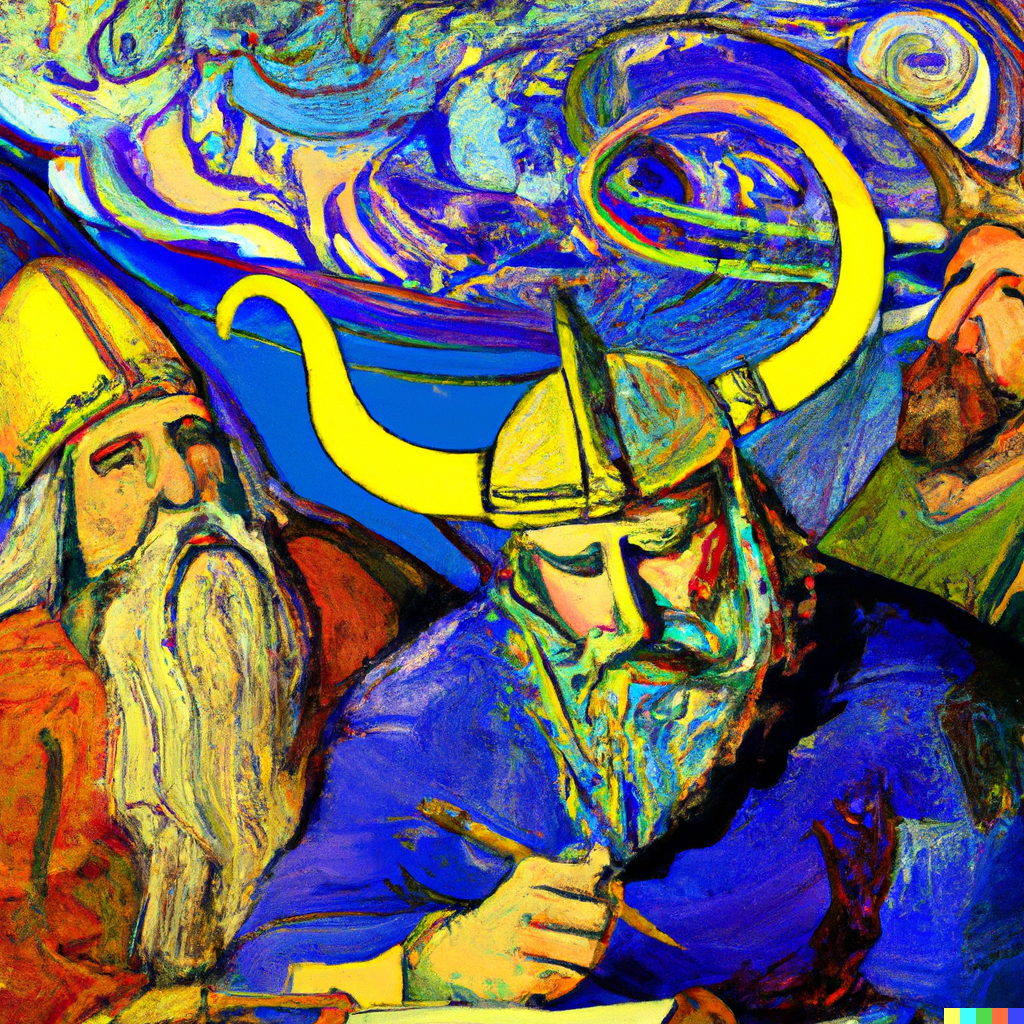
Illustration: DALL-E by RHL, ‘Rumi, Odin and Edward Lear are writing poetry to question the universe’
What do you want possessions for? You’ll die, then you’ll have nothing more. You lost your house in a fire? The fact is That was just for practice.
*****
We live (as always) in a time of existential threat to us as individuals and as a species. This short poem was recently published in The Asses of Parnassus – thanks, Brooke Clark! “Light verse”? I like to think so…
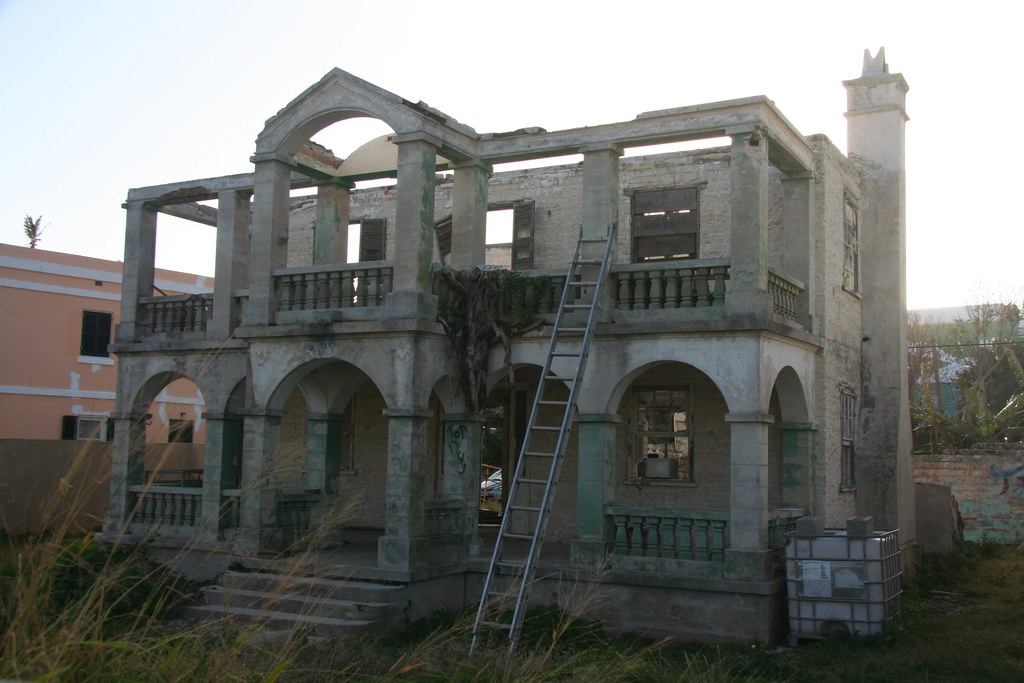
Photo, popularly known as ‘Disaster Girl‘. The young Zoë Roth had been taken by her parents to watch the controlled burning of a structure for training purposes when her father took this prize-winning picture of her. To her ongoing delight, the photo became a viral internet meme, and its NFT sold two years ago for close to $500,000.
I am a bag of chemicals with charge for eighty years, I am a gassy mirage that winks as oblivion nears. Around me swill the stars, my thoughts, the gods and insanity, and nothing makes sense but this leaf as it dances, drunk on gravity.
I am a pointless voice track on a puff piece of DNA, I am the ooze that awoke and decided to live anyway. Around me swings the void, nirvana and calamity, and nothing makes sense but the sea as it dances, drunk on gravity.
*****
Nina Parmenter writes: “In 2021, in my strenuous efforts not to write pandemic poems, I probably wrote a lot of pandemic poems. This one, about focusing on tiny moments in nature to avoid thinking about the big scary things is a great example! I made it a foreword to my collection ‘Split, Twist, Apocalypse‘ because its slightly jolly air of existential dread sets the tone for the book nicely, I think.”
Editor’s comment: As with popular songs as well as verse forms such as the ballade, villanelle, triolet and rondeau, the use of a refrain (whether exact or varied) strengthens the poem by bringing the conclusion of each stanza back to a core image or message.
Nina Parmenter has no time to write poetry, but does it anyway. Her work has appeared in Lighten Up Online, Snakeskin, Light, The New Verse News, Ink, Sweat & Tears, and the Potcake Chapbook ‘Houses and Homes Forever’. Her home, work and family are in Wiltshire. https://ninaparmenter.com/




 Form in Formless Times