
J.D. Smith, ‘Apology in Siege’
I hope you will forgive me
for having given you hope—
Too late for youthful indiscretion, though
I believed my story and felt young in it
until the metal facts fell.
I’d still like to imagine some god
would help, but that line looks broken
like the water, the gas and electricity.
What we have is hours, and in them
you should have the bread and fruit
before they feed the rats.
I am keeping the wine for myself.
It is piss-poor, anyway, and I have
far more to forget.
J.D. Smith, ‘Slant Psalm’
My right hand has never known cunning,
yet I remember thee, O Jerusalem,
not as others’ sacred city
but capital and emblem of loss,
origin of far wandering
without prophecy of return.
My right hand has never known cunning.
May I have, as recompense, forgetting.
Michael R. Burch, ‘Starting from Scratch with Ol’ Scratch’
for the Religious Right
Love, with a small, fatalistic sigh
went to the ovens. Please don’t bother to cry.
You could have saved her, but you were all tied up
complaining about the Jews to Reichmeister Grupp.
Scratch that. You were born after World War II.
You had something more important to do:
while the children of the Nakba were perishing in Gaza
with the complicity of your government, you had a noble cause (a
religious tract against homosexual marriage
and various things gods and evangelists disparage.)
Jesus will grok you? Ah, yes, I’m quite sure!
Your intentions were noble and ineluctably pure.
And what the hell does THE LORD care about Palestinians?
Certainly, Christians were right about serfs, slaves and Indians.
Scratch that. You’re one of the Devil’s minions.
Gail Foster, ‘On The Heights Above Jezreel’
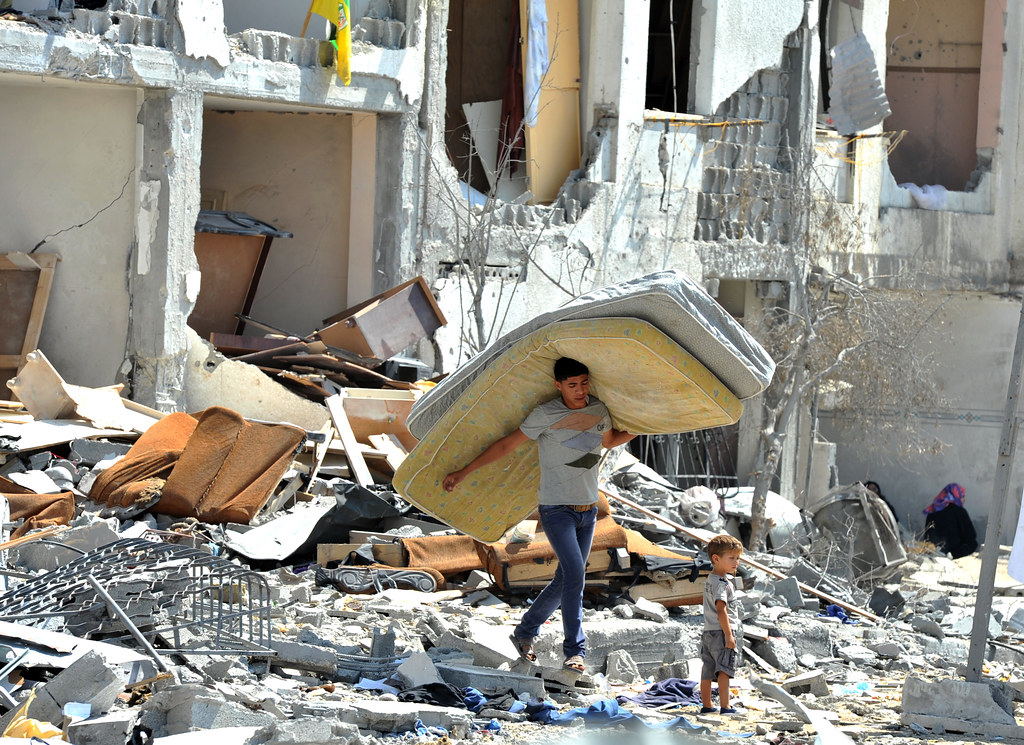
War’s harvest then is of these bitter fruits
Hot shards of shrapnel buried in the flesh
Of children, olives ripped up from the roots
The horrid cries that fly from the nephesh
And blinded eyes. Who benefits from this?
Warmongers, metal forgers, men who plan
Whole cities while still smoking ruins hiss
Black marketeers and strategists. Who can
Sleep peacefully while others have to hide
Their families beneath their mothers’ skirts
And bury them before their tears have dried?
When will this harvest of these bitter hurts
Be over? On the heights above Jezreel
The storm clouds gather. Over soon I feel
Martin McCarthy, ‘The Unkillables’
There’s no great reason here to sing,
but still they sing and play once more …
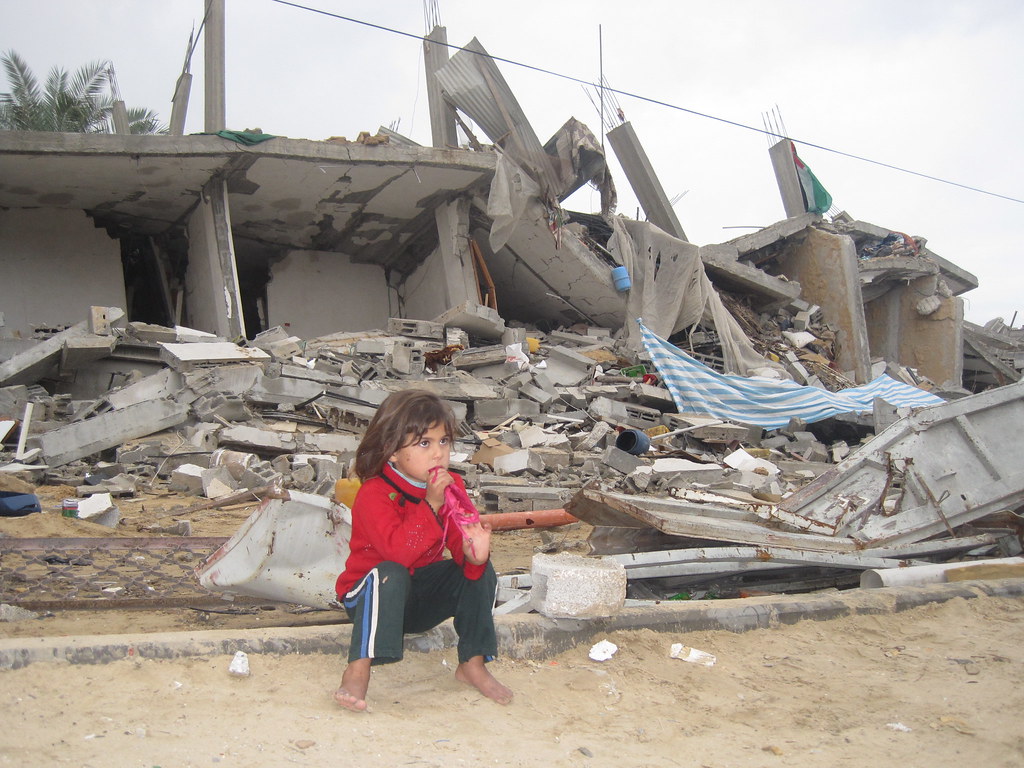
the filthy, ragged children of the poor,
who shall, as always, inherit nothing.
There’s no beckoning paradise
beyond these war-torn streets of dirt,
where chalked slogans outline their hurt,
and yet, the unkillables rejoice!
Robin Helweg-Larsen, ‘Photo of a Dead Palestinian’
Hard to describe blown-off-ness of a head:
no head, neck, shoulder – only flopping flesh,
unfinished ending of a smooth-limbed, fresh,
strong, naked body on white-sheeted bed;
a tangled, mangled churning; then, instead
of the anticipated face (serene
as marble statue, Christmas figurine)
instead, disorganised meat, spilling red.
No face or brains or hair. We’re sick, confused.
The torn-off torso seems to have the calm
proportions of an adult – look again:
the genitalia of a boy of ten.
“Collateral damage” is the term that’s used.
Beside the body, on the sheet, an arm.
Marcus Bales: Right-Wing Semite-Murderer’s Song
Netanyahu:
I am the very model of a right-wing Semite-murderer,
Since I’m a Semite, too, the thing cannot get much absurderer.
My people were abused by every tribe and nationality,
So I, instead of empathy, embraced provinciality.
Because we were oppressed I’m now oppressing weaker other folks,
It gives me cover that we’re killing our Semitic brother-folks.
It isn’t ethnic cleansing if I swear that in my piety
I’m killing and I’m maiming only folks of my variety.
Nazi Chorus:
It isn’t ethnic cleansing if we swear that in our piety
We’re killing and we’re maiming only folks of our variety.
We’re killing and we’re maiming only folks of our varie- riety.
Netanyahu:
The same way each religion has its zealots kill for true-ishness
Islamic zealots have declared that they’ll erase all Jewishness,
And we have trained our own to act with criminal lethality
To counterbalance enemies of lethal criminality.
Nazi Chorus:
And we have trained our own to act with criminal lethality
To counterbalance enemies of lethal criminality.
To counterbalance enemies of lethal criminali- nality.
Netanyahu:
I play the left against the right. My politics are strenuous.
I say “If you hate one Jew …” Well, the rest is disingenuous.
That propaganda works so well is not much of a mystery
By pointing out how badly Jews were treated throughout history.
We’ve rarely had an easy time, with ghettos, rape, and slavery,
Our holidays still celebrate the mass of unmarked gravery.
But we survived because we had our own ulteriority —
And now we’re in a place at last where I am the authority.
Nazi Chorus:
But we survived because we had our own ulteriority,
And now we’re in a place at last where we are the authority.
And now we’re in a place at last where we are the authori- thority.
Netanyahu:
The Stern Gang and the Irgun were the Hamas of their day and time
They killed and maimed the British, and they justified dismaying crime,
And now my brave Israeli right-wing zealots take that bow for theirs,
And use exactly those excuses Hamas uses now for theirs.
Nazi Chorus:
And now our brave Israeli right-wing zealots take that bow for theirs,
Exactly with the same excuses Hamas uses now for theirs.
Exactly with the same excuses Hamas uses now for now for theirs.
Netanyahu:
When everyone is furious that everyone is furious,
And injury is contemplating things yet more injurious;
When money spent on arms and planning how to break the breakerage
Could buy opponents whole, including buildings, stock, and acreage;
When every group is cheering zealots’ grim religiosity
And everyone is trembling with the fear of new atrocity,
I stay in office by appealing to the prejudicial dumb —
While filling my Swiss bank accounts just like Hamas officialdom.
Nazi Chorus:
I stay in office by appealing to the prejudicial dumb —
While filling my Swiss bank accounts just like Hamas officialdom.
While filling my Swiss bank accounts just like Hamas official- licialdom.
Netanyahu:
No policy’s absurd enough that mine is not absurderer.
I am the very model of a right-wing Semite-murderer.
It isn’t ethnic cleansing if I say that in my piety
I’m killing and I’m maiming only folks of my variety.
Nazi Chorus:
It isn’t ethnic cleansing if we say that in our piety
We’re killing and we’re maiming only folks of our variety.
We’re killing and we’re maiming only folks of our vari- variety.
Robin Helweg-Larsen, ‘Roots of Terrorism’
Step back a moment, and reflect:
not saying that it’s good or right
that chained, starved, beaten dogs would bite–
but what did you expect?
*****
Michael R. Burch, ‘Starting from Scratch with Ol’ Scratch’, first published in The HyperTexts
Martin McCarthy, ‘The Unkillables’, first published in The HyperTexts
Robin Helweg-Larsen, ‘Photo of a Dead Palestinian’ and ‘Roots of Terrorism’ first published in The HyperTexts
Photo: Anadolu Agency photographer Ali Jadallah – Gaza https://x.com/alijadallah66?lang=en
https://www.theguardian.com/world/2024/oct/05/one-year-in-gaza-since-the-7-october-attack-photo-essay






 Form in Formless Times