By evolution born and bred
with something extra in the head
(and maybe also in the heart)
that sets us markedly apart
from all the teeming life on Earth,
we sapiens, for what it’s worth,
create and feel and comprehend,
but to what purpose, to what end?
Wisely foolish, cruelly kind,
with jumbled passions, muddled mind,
we’re oxymorons through and through.
In what we do or fail to do
a pestilential gifted ape
with a history we can’t escape.
Our future tenuous and stark,
we stumble onward in the dark.
*****
Richard Meyer writes: “I’ve always been amused that our species defines itself as Homo sapiens, meaning “wise man” or “wise human.” The history of humanity contains much that is wonderful, beautiful, and commendable, but it also records much that is horrible, dreadful, and appalling. The verdict as to which tendency will prevail remains uncertain. It’s difficult to be optimistic when the Doomsday Clock was recently set at 85 seconds to midnight. In addition, the political situation in the United States is grim. So, we stumble onward.”
‘Sapiens’ was originally published in the Alabama Literary Review (2023, Vol. 32)
Richard Meyer, a former English and humanities teacher, lives in Mankato, MN. His book of poems Orbital Paths was a silver medalist winner in the 2016 IBPA Benjamin Franklin Awards. He was awarded the 2012 Robert Frost Farm Prize for his poem “Fieldstone.” His poetry has appeared in a variety of print and online journals and has also received top honors several times in the Great River Shakespeare Festival sonnet contest. He is also the author of Wise Heart, a memoir of his mother Gert who was born in poverty, came of age during the Great Depression, enlisted in the army during World War II, served overseas, achieved the rank of first sergeant, and was awarded the Bronze Star for meritorious service performed during the Battle of the Bulge. Richard’s most recent book is Stumbling Onward, a collection of new and selected poems. His books are available on Amazon.
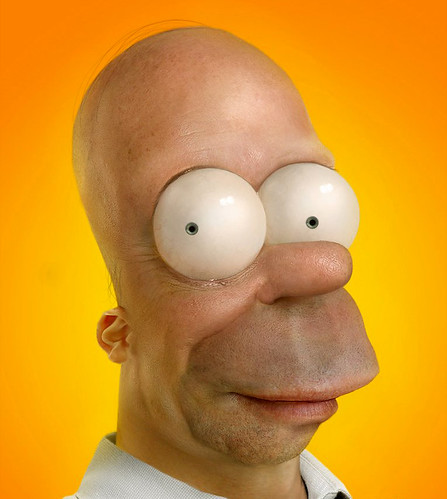
Photo: “Homer Sapiens” by Brett Jordan is licensed under CC BY 2.0.

 Form in Formless Times