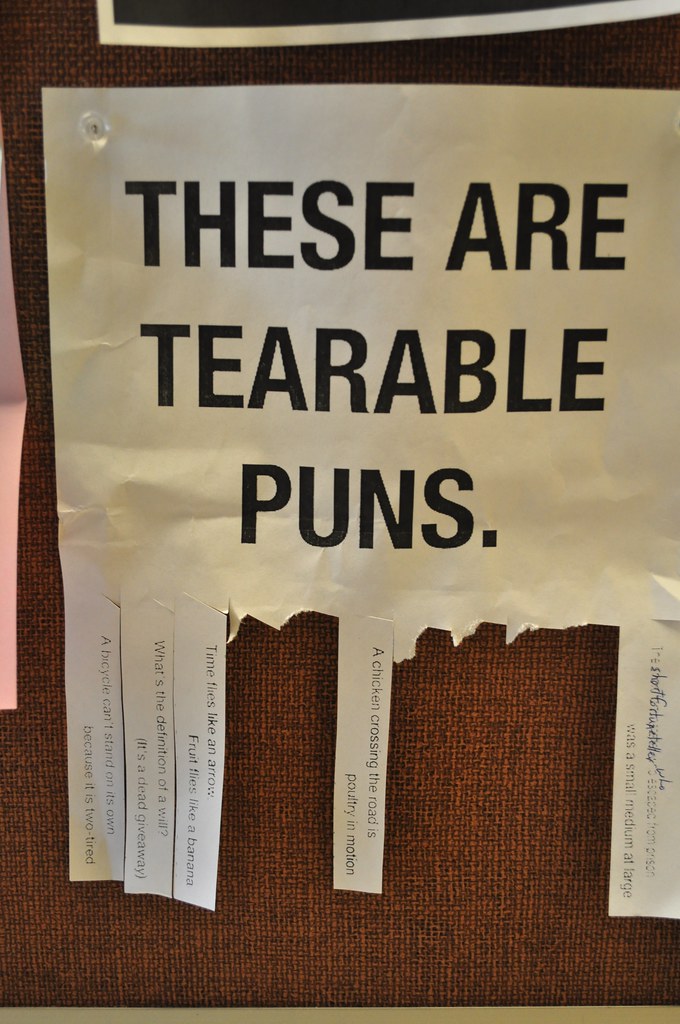
The artist said the wit was “full of it”, disparaged him. The punster tore the painter limn from limn.
*****
Apparently some people believe that puns are “the lowest form of humour”, but I would suggest that those people are not good at wordplay, and therefore have no poetic sensibility. Look to Homer, Shakespeare and Samuel Johnson for puns; enjoy more discussion and examples here.
This short poem was published in The Asses of Parnassus, home of “short, witty, formal poems”. Thanks, Brooke Clark!
I like to visit Earth sometimes; I find the too-brief lives and simple cares a change from the infinities in which we range, we who now live unbodied in vast Mind.
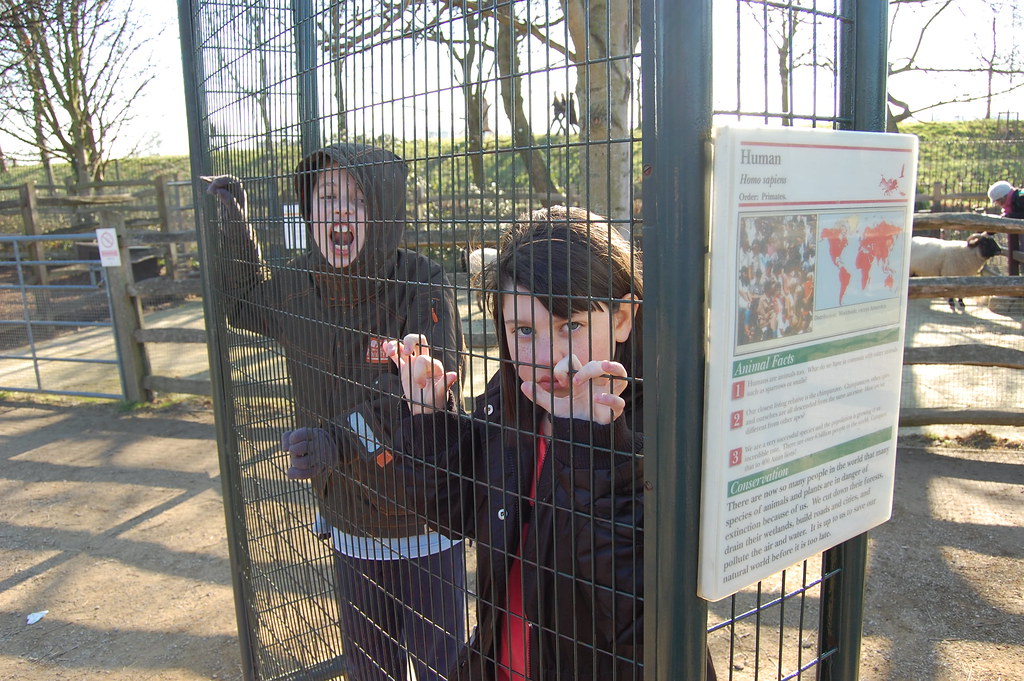
I love to watch the children at a zoo, careering up and down, shrieking to see the strange lives in the weird captivity they also share…and as their parents do.
Visiting in – of course – a human guise, I can be young or old, female or male; sex, power, seduction never seem to stale, to give gifts seems fair pay for all my lies.
Sailors and tourists visit and then leave; it’s best their hosts have something to believe.
*****
This sonnet was published in the current Alchemy Spoon, which had ‘Gift’ as its theme. It is one of a series of ‘Voices From The Future’ sonnets which I wrote in an attempt to present more diversity than the bleakness that Maryann Corbett had identified in my writing of what I see coming. Others are ‘Ultimate Control’ (Pulsebeat), ‘Exiled Leader’ (Star*Line) and ‘Dreaming of Flying’ (unpublished). Well, some people may find them all bleak, in the same way that Victorians would have found a description of today to be bleak; but what with travel, the Internet, dentistry… I’d rather be alive now than in the past. Similarly, I look forward to the future, no matter how much change is involved.
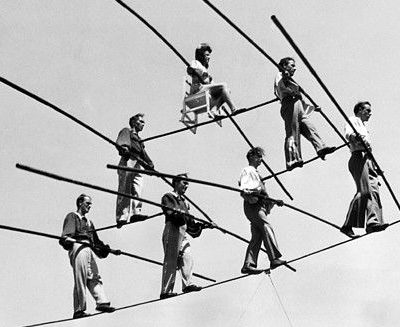
We aim to sing Boldly as the brave acrobat on his thin string Across the air. But yet, no matter how we juggle words and dare, And think ourselves stupendous, We’re risking nothing… we’re no Flying Wallendas.
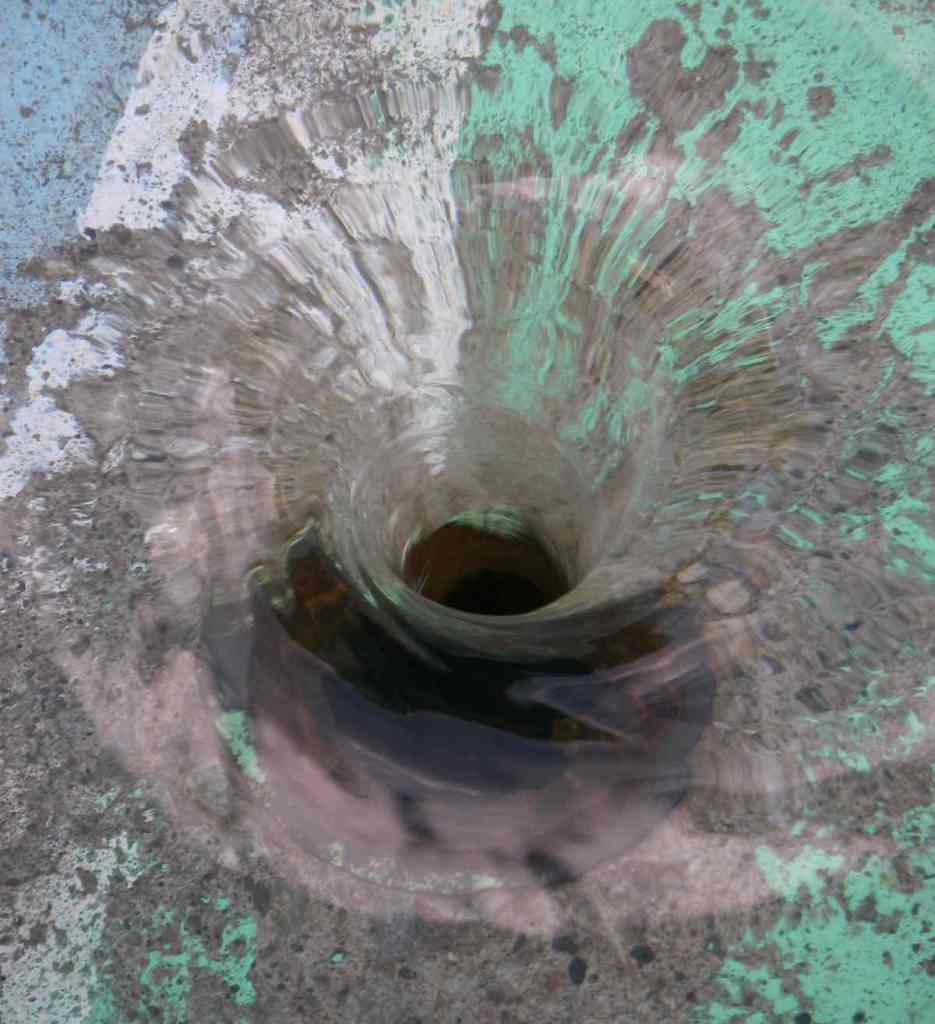
We spiral round the sun, like water spirals round a drain; herded like sheep to the slaughter, it’s an old refrain– what you coulda, what you oughta… so few years remain.
*****
This short poem was recently published in The Asses of Parnassus – thanks, Brooke Clark! Btw sorry if the poem seems morbid – fall/winter has always made me reflective; I’ve been feeling time running out since my teens.
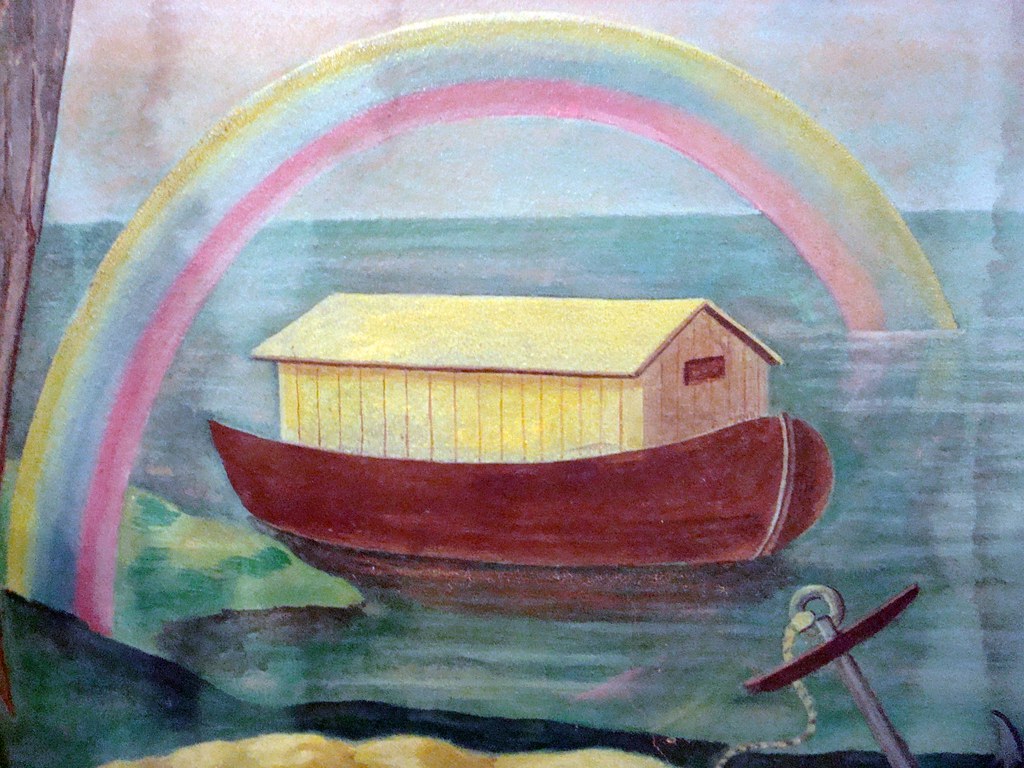
God made the rainbow as a sign for post-Flood men to see. The sign says, “I am Merciful– and you better fucking agree.”
*****
According to the Book of Genesis, after God flooded the entire world He told the one surviving family: “I have set my rainbow in the clouds, and it will be the sign of the covenant between me and the earth. I will remember my covenant between me and you and all living creatures of every kind. Never again will the waters become a flood to destroy all life.”
There are so many things to love in all this: the Noah’s Ark story, and the toys of it that delight children; the beauty of rainbows themselves; the alternative explanation that Irish leprechauns make rainbows to mark where they bury their gold; the Biblical suggestion that water droplets didn’t cause refraction of light before the Flood; the calculation that rain, to have flooded Mount Everest in 40 days, must have fallen at 29 feet per hour for that entire time… and above all the idea that God needed the rainbow to remind Him not to kill everyone whenever He gets angry.
But hey – rainbows are beautiful, at least we can all agree on that.
This poem was published in the most recent issue of Light.
“The trouble with this growing old,” he said, “You lose so much . . . and you get what instead? If you can hang a bath towel on your tool it’s wasted when you’re in an all-boys school. Time was, I’d come — as you’d expect — with just a look, a touch. Now, not so much. The only thing that gets me full erect is feeling flesh firming from kiss and grasp; so all my work is trying to make her gasp! I need her climax if I’m to get sated.” He looked at her. She looked at him. He waited.
*****
This semi-formal poem was published in the Lighthearted Verse subsection of Formal Poetry in that wonderfully rich and varied magazine, Better Than Starbucks. Where else could you find such a variety of areas of expression as BTS’ Regular Feature Pages? Free Verse Haiku Formal Poetry Poetry Translations Poetry for Children International Poetry African Poetry Experimental, Form, & Prose Poetry Poetry Unplugged Fiction Flash Fiction & Micro Fiction Better Than Fiction (creative nonfiction) The Interview Interviewee Poems … and From The Mind of Alfred Corn
And tolerant enough to put up with my verse on occasion! Unfortunately they have announced they are going on hiatus… hopefully they will be back in 2023, as they have been a truly excellent outlet for all manner of poetry and prose.
I went round to Sarah’s flat one night: “Hi man,” she said, “Yeah, you can come in, sure,” apologising as she shut the door – “but not for too long, you know how it is – I’ve got two essays still to write and then exams start – I’m in quite a tizz.” She yawned and laughed, said “I’ve just changed Sam’s nappy, and now he’s fast asleep – at last!” she smiled – “Wow, but he keeps me busy!” “Also happy,” I put in. “Yes, but not all the while – he’s got a weak chest, coughs, cries with the pain, I get so uptight we both end in tears… his dad got sentenced, over drugs, eight years… that’s long: I guess we won’t get back again; I’ve got my Finals coming up, and then, after, who knows? I’ve hardly time for dreams: with Sam and studying, sometimes, it seems my life’s nappies and essays, nothing more.” She changed the record, sat to roll a joint, and said “First thing I do, even before I take Sam to that Nursery up the road – he’s bigger every day! He’s quite a load! But anyway, that’s not the point – first of all, I get stoned, and stay that way, or else I’d never make it through the day.”
A new cloud added to her soft rich room a further depth of blue, a silent pause.
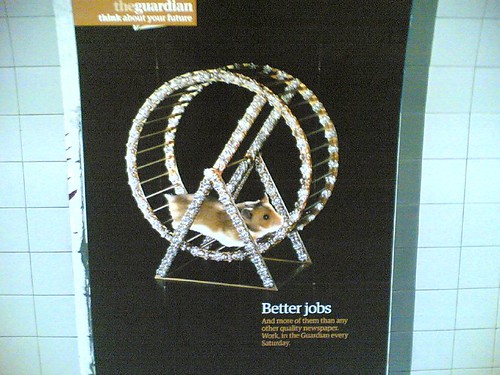
She spoke again, her thoughts already gone back to her work: “And then, they seem such fools, dividing all Philosophy in schools. You know my option is the Indian course; I know so much of what the old books mean: things of which lecturers can’t conceive, think guff, I understand, they’re places where I’ve been… I’m always trying to turn the lecturers on: if they’d drop acid, or just smoke some stuff, they’d see so much… but they’re not brave enough. So Transcendental just remains a trendy course which their students can take if other courses can’t keep them awake. But still they try their worst,” she said, nonplussed, and read “The Bhaghavad Gita retains relevance for our century. Discuss. Christ, aren’t they boring!” she said, biro poised. I let myself out, while she found her page, and Briggs, her hamster, woken by the noise, went streaming up the rat-race in his cage.
*****
This poem dates to the time after I had dropped out of the University of Dundee, but still came back to it in the years that saw most of my 25,000 miles of hitchhiking. I feel I learned more by wandering in and out of jobs, countries, languages and religions than I would have if I’d stayed on Sarah’s path. But then, I have no idea how life worked out for her, so who knows.
The poem is semi-formal – rhymed but without a rhyme scheme, in iambic pentameter with some occasional liberties taken with metre… but those liberties are comparatively acceptable, even beneficial, in a longish poem as they break up the metrical monotony. That’s my excuse anyway, and I’m sticking with it. The poem was published decades later in Snakeskin – thanks, George Simmers!
The red leaves in the sunshine are So red! So red! So red! There are no buried Caesars here – instead, The dispossessed of all the Earth, With native wisdoms, human worth, Bleed through the trees like a reopened scar.
*****
Today is Canadian Thanksgiving; in the US, Columbus Day; in the Bahamas, National Heroes Day; in all of them “aka Indigenous Peoples’ Day”. Yes, we’re all here, across the Atlantic or the Pacific from where we or our ancestors came. Yes, there are things to be thankful for, and things to regret. But that’s the story of modern humans, walking out of Africa for the past 200,000 years, and of earlier versions walking out of Africa for the previous couple of million years.
Reparations for everything done to each other is impossible… will the Italians pay reparations to the British for 300 years of occupation and slavery? (Not that the reparations would be paid to the English, who didn’t show up until after the Romans left; payment would be to the people the English pushed out: the Welsh, Cornish, some Irish and maybe some Scots…) People have been invading and massacring, invading and enslaving, invading and intermarrying, in all parts of the world since forever.
What would be reasonable would be for all governments to grant all citizens good quality universal education and good quality universal health care at least for the first 20 years of life. Reparations to the dead may be impossible, but giving everyone a decent chance going forward would seem appropriate. And it would be in the interests of everyone who would like a healthy, well-educated society in which to live.
Yellow rose, yellow rose, Emily Dickinson lived in seclusion, was never a wife; wrote of her garden most anthropocentrically, talking with God, Satan, Death, all her life.
*****
There’s an old suggestion that all of Emily Dickinson’s poetry can be sung to the tune of ‘The Yellow Rose of Texas’.
I never saw a moor, I never saw the sea; Yet know I how the heather looks, And what a wave must be.
(Brave words, but I think that waves would have surprised her with their complexity and power and sensuousness.) There’s a newer suggestion that she lived so reclusively because she suffered from epilepsy, and wanted to hide it as much as possible out of a sense of shame.
Strange woman, strange life, strange little poems… but remarkably insightful, accessible, and word-for-word memorable.