Category Archives: short poems

Short poem: RHL, ‘Heart Attack’

Lust –
Thrust –
Bust –
Dust.

*****

One of the things that intrigues me is the way certain word endings fall into groups, evoke a common mood, sometimes seem to tell their own story. Some of these groups seem natural with overall positive “light, bright, flight, height, white” or negative “dusty, musty, fusty, gusty”; “bumble, crumble, grumble, fumble, stumble, tumble” connotations… but I acknowledge that with the first set I’m ignoring “blight, night, shite” and so on. Some seem random, especially perhaps when the different spellings suggest unrelated origins: “beauty, duty, fruity, snooty,” but still lead to a story.

Happily, I’m not alone in these idle thoughts. Melissa Balmain’s Tale of a Relationship in Four Parts comes to mind… and from Maz (Margaret Ann Griffiths) we have ‘The Drowning Gypsy’:

Flamboyant
Clairvoyant
Unbuo
o
o
o
o
y
a
n
t

Maz’s work is collected in ‘Grasshopper‘; Melissa Balmain’s poem is collected in ‘Walking in on People‘ from Able Muse Press; ‘Heart Attack’ was recently in The Asses of Parnassus.

Photo: “heart-attack” by Pixeljuice23 is licensed under CC BY-SA 2.0.
RHL, ‘On a Modern “Poem”’

The thoughts are fresh, the images are good;
the style is clean, the tone both wise and terse;
the whole thing would be memorable, it would…
if only it had been expressed in verse.

*****

I’m always embarrassed if I have an idea for a poem, and I fail to find an expression of it in rhyme as well as rhythm. That’s because, of the hundreds of poems or pieces of poems in my head, all but a tiny handful are remembered because they are expressed in verse. You can remember the gist of an idea on the strength of the idea; but if you want to remember its exact expression, word for word, it’s far easier if it’s in verse. For this purpose, blank verse is better than prose; but rhymed verse is superior.

You may have lots of partial memories of Winnie the Pooh from childhood – the Hundred Acre Wood, Eeyore’s moans and groans – but actual word-for-word memory is likely to attach to the few snippets of verse in the book, such as:
Isn’t it funny
How a bear likes honey.
Buzz! Buzz! Buzz!
I wonder why he does?

My little gripe above was originally published in Light earlier this year.

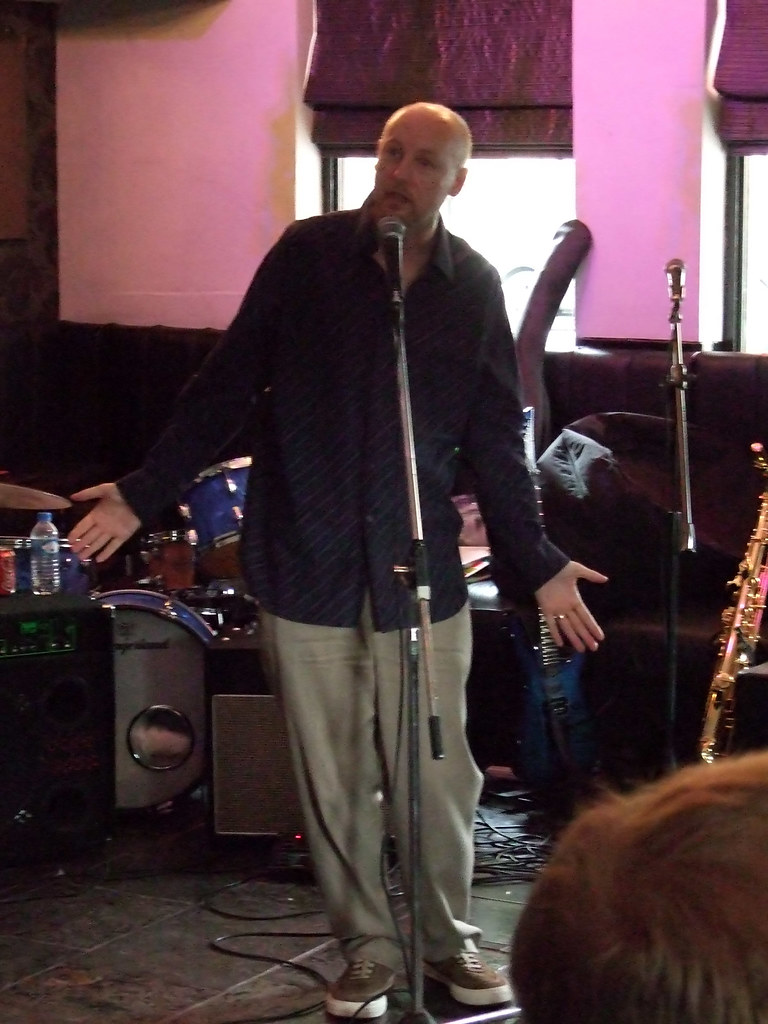
Photo: “Al declaims” by jovike is licensed under CC BY-NC 2.0.

‘Maz’ Griffiths, ‘Clogs’

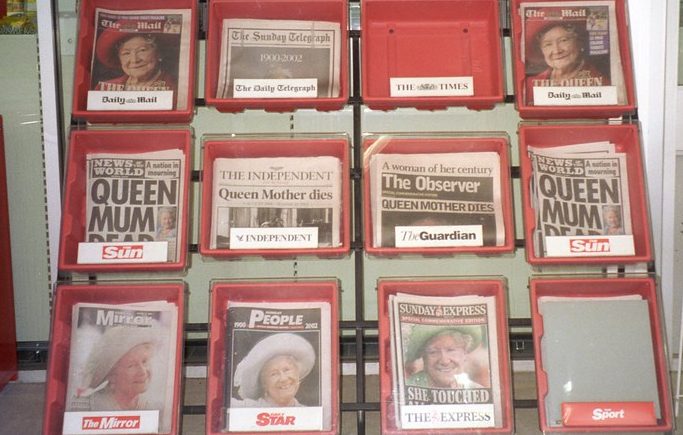
The Queen Mum’s gorn and popped her clogs;
the telly’s stuffed with Royal progs.
I’ve heard a thousand epilogues
now the old Queen Mum has popped her clogs.

The Queen Mum’s gorn and popped her clogs
so let’s fish out our mourning togs
and toast her name in small eggnogs.
Our dear old Queen Mum’s popped her clogs.

The Queen Mum’s gorn and popped her clogs.
Oh, Gawd, we’ll all go to the dogs,
and princes will turn into frogs
now the old Queen Mum has popped her clogs.

*****

The always delightful Margaret Ann “Maz” Griffiths published in a huge range of voices: formal sonnets of wildlife and of the illness that finally killed her, blank verse rants against warfare or injustice, sad songs of the female loss of innocence, flippant anti-establishment sarcasm about the British Royal Family…

‘Grasshopper’, her 350-page collection of poetry (and also one of her nicknames) was assembled by fans after her death and published by Arrowhead Press in the UK and Able Muse Press in North America. It is readable and rereadable. I post the occasional poem in this blog.

Photo: “Queen Mum Dead” by Joe Shlabotnik is licensed under CC BY-NC-SA 2.0.

Epigram: Brooke Clark, ‘Still Waiting’

You say your memoirs offer pointed re-evaluations
of countless authors’ puffed-up reputations
so you’ve arranged to have them published once you’re safely dead.
Nestor, it’s time your memoirs were read.

*****

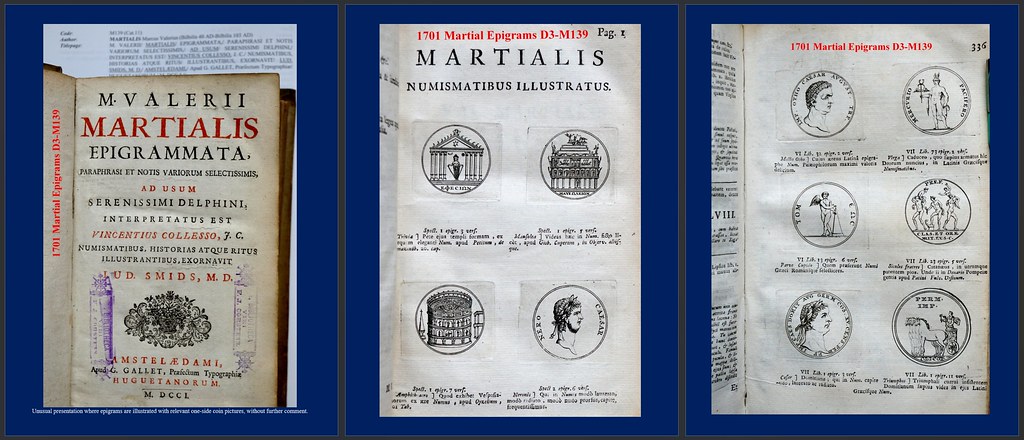
Brooke Clark writes: “The original for this is by Martial: Epigrams IV.33; it’s a good example of the alternating 7-stress, 5-stress lines I finally settled on as the best way to capture the feeling of Martial’s elegiac couplets in English. Martial has a number of these “hurry up and die already” poems; if you read through large chunks of his epigrams at a go you’ll find a lot of themes recur over and over with slight variations. The addressee in the original is a poet, but somehow I found the idea of a writer who has left a “poison pen” memoir revealing what he really thinks of all his contemporaries more interesting. Nestor is one of the recurring “characters” in Urbanities, an idea I picked up from Martial’s treatment of Zoilus and expanded until I had a small cast whose stories developed over the course of the book.”

‘Still Waiting’ was originally published in Literary Imagination.

Brooke Clark is the author of the poetry collection Urbanities and has published work in Arion, Literary Imagination, THINK, The Walrus, LA Review of Books, and other places. He is also the editor of the online epigrams journal The Asses of Parnassus and the book reviews editor at Able Muse.
Twitter: @thatbrookeclark
Bluesky: @brookeclark.bsky.social

Photo: “1701 Martial Epigrams Dekesel M139” by Ahala is licensed under CC BY-NC 2.0.

Short poem: RHL, ‘Vibration’

It’s quite a ride.
We took off in a cloud of dust and noise
and, while it might look steady, silent, from afar
above the clouds I’m feeling more and more
a rattle in the cabin and my joints
as though the bolts are shaking loose;
you trust the plane will land safe, smooth, three points . . .
but one way or another, all flights end.

*****

‘Vibration’ was recently published in Blue Unicorn.

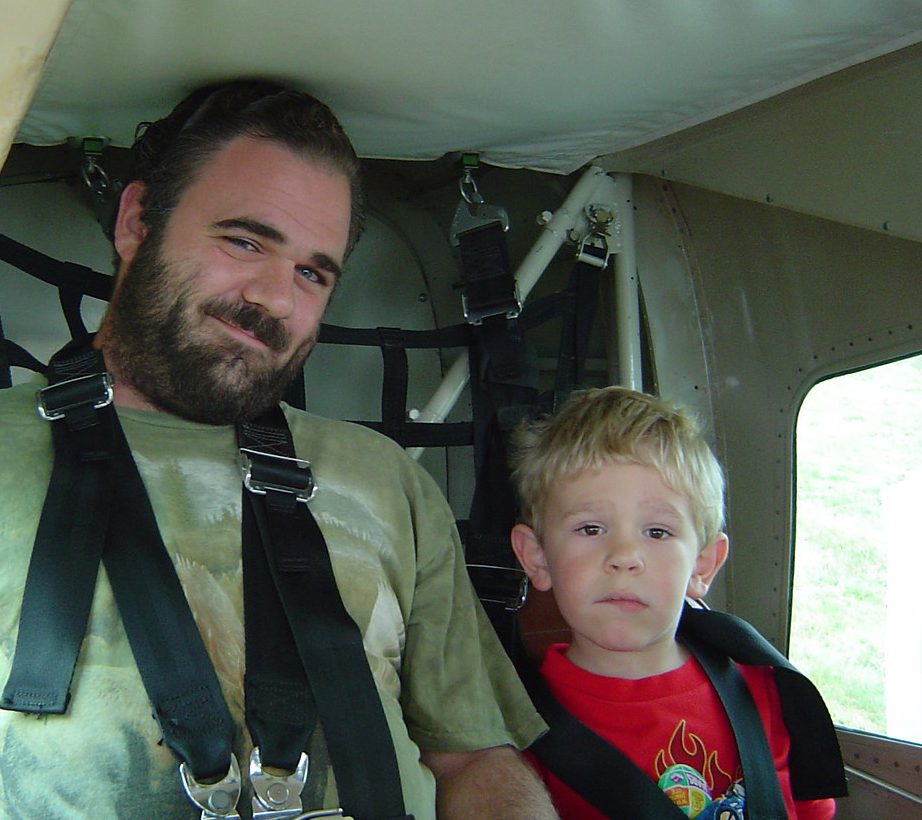
Photo: “Ready for the ride, but Someone is a bit nervous…” by Just Us 3 is licensed under CC BY-NC 2.0.

David Galef, ‘How to Say “Thank You” Abroad’

Donkey, mercy, grassy ass,
Effin’ Christ, something with God?
Spacey bow and airy ghetto,
Tic-tac-toe—or smile and nod.

Glossary: danke, merci, gracias, efcharisto, deo gratias, spasibo, arigatō, tak.

*****

David Galef comments: “The idea for this short (previously unpublished) poem came to me years ago when I was learning Japanese, and the mnemonic for the phrase “you’re welcome” (dō itashimashite) was explained to me as “don’t touch my mustache.” From there, it was a short step to “airy ghetto” for arigatō or “thank you.” A recent bout of Spanish language instruction yielded “grassy ass,” not that gracias is hard to remember, and the rest, as they say, is hiss Tory. As you can see in the poem, I’ve got eight or so examples, and I’d welcome more.”

David Galef has published over two hundred poems in magazines ranging from Light and Measure to The Yale Review. He’s also published two poetry volumes, Flaws and Kanji Poems, as well as two chapbooks, Lists and Apocalypses. His latest book is the novel Where I Went Wrong. In real life, he directs the creative writing program at Montclair State University.

Photo: “universal thank you note” by woodleywonderworks is licensed under CC BY 2.0.

Max Gutmann: Planet of Love

Venus, our neighbor that lies toward the sun,
    Is a sultry and amorous spot;
The astrologers tell us our passion and fun
   Are engendered right there, where it’s hot.

She’s the brightest of stars yet she’s hidden in cloud,
  So her pull on our psyches is double,
An enticing enigma concealed in her shroud
  And, like all such allurements, big trouble.

To the faithfully married, the word from above
  About passionate partnership stings.
There’s a planet we’re told governs all earthly love,
   And it isn’t the one with the rings.

*****

Max Gutmann writes: “I’m afraid I can’t think of anything interesting to say about ‘Planet of Love,’ which exists to support its punchline. The joke popped into my mind, so I wrote the poem.”

‘Planet of Love’ was published in the March 2025 issue of Lighten Up Online.

Max Gutmann has contributed to New Statesman, Able Muse, Cricket, and other publications. His plays have appeared throughout the U.S. (see maxgutmann.com). His book There Was a Young Girl from Verona sold several copies.

Photo: “Venus” by katmary is licensed under CC BY 2.0.

Brooke Clark, ‘Letter from an Unknown Writer’

We met one night at a book launch,
we drank, we talked, we laughed,
I said, “I’m writing a novel,”
and you said, “Send me a draft.”

So I sent it to your address
hoping a well-placed word
from you would get me started;
I waited, but never heard.

Now you’ve published your latest
and the critics fellate you in print,
it’s a runaway bestseller
and Hollywood’s taken the hint.

I read it myself last weekend
and my entrails turned to stone—
my book, but so badly rewritten
you’d almost made it your own.

*****

Brooke Clark writes: “This two-liner by Martial (Epigrams I.38) is the basis of my poem:
quem recitas meus est, o Fidentine, libellus:
sed male cum recitas, incipit esse tuus.
(The book you’re reciting is mine, Fidentinus; but when you recite it badly, it begins to be yours.)
Originally read in Wheelock’s Latin, I think, when I was learning the language, this was one of the first versions of Martial I did that I was happy with. I obviously expanded it greatly (I hadn’t learned to appreciate Martial’s concision) but I liked the swingy rhythm and the treatment of it as a mini-narrative that I landed on. Also one of the first epigrams I published, in Light, which gave me some confidence that the project of turning ancient epigrams into contemporary poems might be worth pursuing.”

Brooke Clark is the author of the poetry collection Urbanities and has published work in Arion, Literary Imagination, THINK, The Walrus, LA Review of Books, and other places. He is also the editor of the online epigrams journal The Asses of Parnassus and the book reviews editor at Able Muse.
Twitter: @thatbrookeclark
Bluesky: @brookeclark.bsky.social

Photo: “Treasures of Ushaw Book Launch in Westminster” by Catholic Church (England and Wales) is licensed under CC BY-NC-SA 2.0.

Short poem: RHL, ‘Brave Crab’

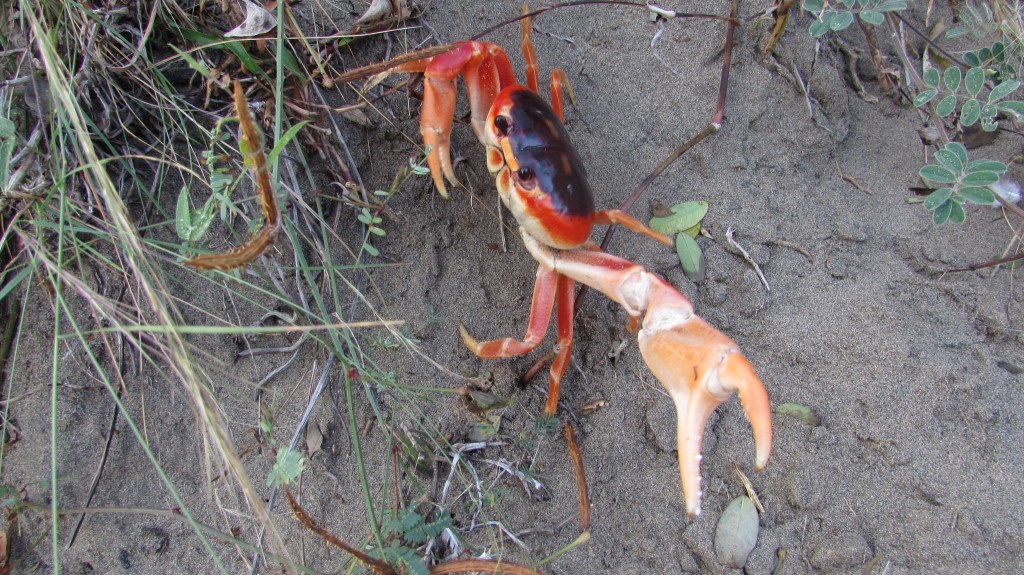
The little land crab stands right in the road,
Waving his big red claw.
Almost hit by a car rushing past –
Another, then one more.
The little crab stands fearless and alone,
He just won’t back away
And all the other crabs beside the road
Call out “¡Olé! ¡Olé!”

*****

This little poem was recently published in Rue Scribe, “an online journal for small literature”. Thanks, Eric Luthi!

We’re just coming up to the time of year when there are big crabs crawling in the bush (and getting taken by people for food), followed by lots of little crabs crossing the road (and the ones that get hit by cars becoming food for birds).

Photo: “bermuda land crab, blackback land crab, black land crab, common land crab, orange halloweenkrabbe, red land crab, rote landkrabbe, schwarze landkrabbe” by La Mancha en Movimiento is licensed under CC BY-NC 4.0.

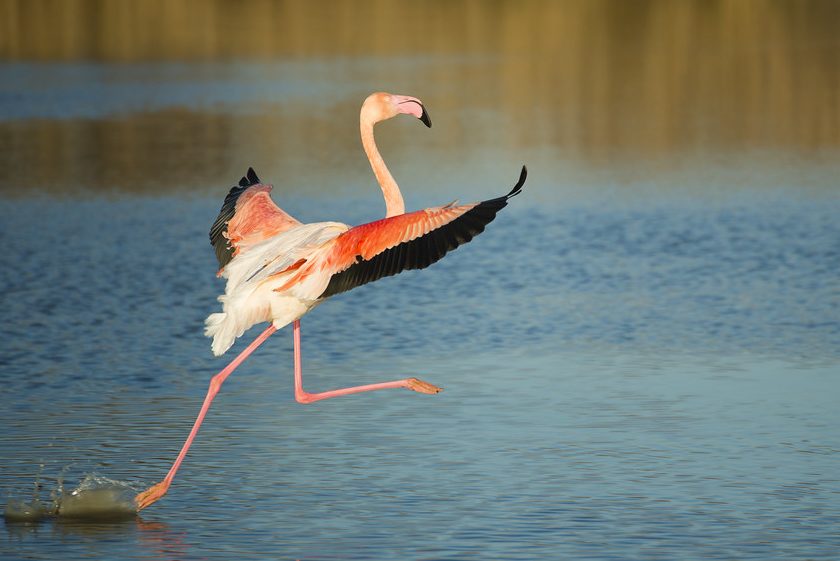
Short poem: RHL, ‘Flamingo’

As annuals at their lives’ ends flower in beds,
blossom and ripen into yellows and reds
as Earth throws scarlet to the day’s end skies –
so the flamingo trying to fly, pounding along
the surface of the water, pink wings flapping, pink feet slapping,
ungainly straining desperate, then sudden rise,
its work rewarded: scarlet, pink, black, strong,
suddenly graceful, airborne . . . and then gone.

*****

This short poem was recently published in Lighten Up Online after the editor’s careful query “Could I just check that Ls 5 and 6, which seem to have six beats unlike the others, are intentionally reflecting the awkwardness of the flamingo’s take-off?” Indeed, and I’m glad that it came across that way – thanks, Jerome Betts!

The current Lighten Up Online is a particularly good issue, with many poems far superior to my poor struggling flamingo.

“France – Flamingo Landing 04/25/16 Explored” by Benjamin PREYRE Photography is licensed under CC BY-NC-ND 2.0.