Monthly Archives: December 2020

Potcake Chapbooks: Updated Call for Submissions

The “Potcake Chapbook” series is named for the dogs of the Bahamas and the Caribbean – strays that live off the burnt scrapings of cooking pots. The poems in the series are a mixed bunch – but the potcake of our logo wears a bow tie to show that he and all the poems are formal. These poems are memorable in part because they rhyme and scan, as all truly memorable (i.e. easily memorisable) poetry does. We subscribe to the use of form, no matter how formless the times in which we live.

Potcakes hunt around the back streets and beaches, looking for something unguarded to eat. Like a potcake, I’m always looking to see if there is some good poem to carry off. The plans for the chapbooks are a bit sketchy, always changing–everything depends on what I run across and what Alban Low would like to illustrate. Perhaps half the poems we have published have come from my poking around back issues of online poetry magazines; and the other half have come from material that has been sent for me to look at.

When there is enough good material on a single theme to fill 13 pages of a chapbook (still leaving room for Alban’s work, of course), then it may become the next project. But until a chapbook actually goes to print everything is subject to change. An even better poem may show up and displace one tentatively placed. A slew (or slough) of poems on a new theme may cause a reprioritisation of planned chapbooks.

This is one of the reasons that I prefer to consider only poems that have already been published–so that I don’t feel guilty about having a bunch of poems that will sit with me for months, years, and may or may not be included in the Potcake series. I have flagged a thousand poems that interest me; but I can only publish a dozen in a chapbook, and only a few chapbooks will get produced in a year.

However I am always keen to read and consider rhymed and metered verse that has already been published. There are several chapbooks that are jostling in the queue for completion and publication:

Travels and Travails (travel)
City! O city! (urban life)
Just a Little Naughty
Portraits Unpleasant
Various Heresies (religion)
Lost Loves
The Horror of Spring! (seasons)

and there are more; but the next one in the series, to come out early in 2021, will be one of science fiction, tentatively ‘Rockets and Robots’. Like all the chapbooks listed above, it is nearly full already. As with all of them, if I run across another poem I really like, I’ll include it.

Poems in the chapbooks run from two or three lines to some 40 lines in length–obviously, with space at a premium, poems over 20 lines and running over one page are less likely to be included… but it does happen. Other criteria: I’m looking for wit, elegance, a variety of traditional and nonce forms, a variety of voices and moods: happy, sad, angry, sardonic, meditative… anything interesting I can scrounge. If you have something you think I might like, on any topic, please send it along to robinhelweglarsen@gmail.com

I can’t promise to use it, but I will read it and reply!
Odd poem: 19th century Science Fiction by Tennyson

For I dipt into the future, far as human eye could see,
Saw the Vision of the world, and all the wonder that would be;

Saw the heavens fill with commerce, argosies of magic sails,
Pilots of the purple twilight dropping down with costly bales;

Heard the heavens fill with shouting, and there rain’d a ghastly dew
From the nations’ airy navies grappling in the central blue;

Far along the world-wide whisper of the south-wind rushing warm,
With the standards of the peoples plunging thro’ the thunder-storm;

Till the war-drum throbb’d no longer, and the battle-flags were furl’d
In the Parliament of man, the Federation of the world.

There the common sense of most shall hold a fretful realm in awe,
And the kindly earth shall slumber, lapt in universal law.

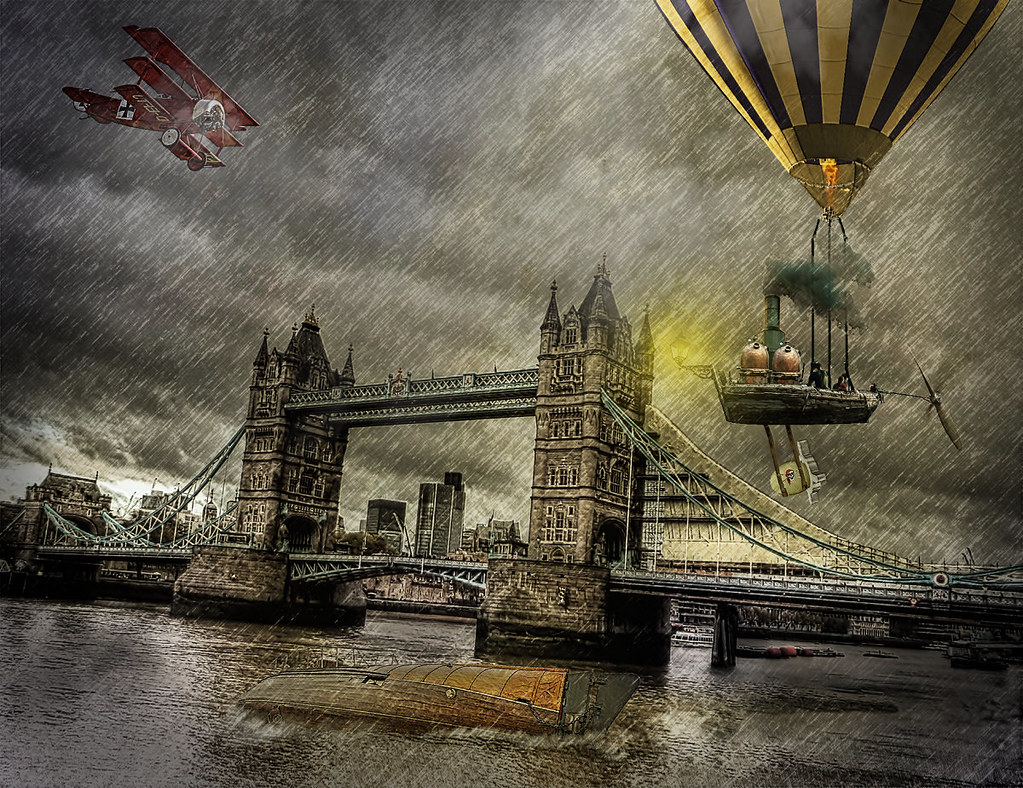
This excerpt from Tennyson’s ‘Locksley Hall’ has a steampunk feel to it–“the nations’ airy navies grappling”–what exactly did he imagine? The hot air balloons that had been developed in the previous century, now using grappling hooks and rifles in their battles? And it ends not with a talking-shop United Nations, but with a World Federal Government… It is quite a vision from the young Tennyson; and this slice of the poem has taken on a life of its own, quite distinct from the general ranting about his failed love affair which is the theme of ‘Locksley Hall’.

The full poem contains well-known lines such as

In the Spring a young man’s fancy lightly turns to thoughts of love;

and the poet foresees his former lover, now married to a man he dislikes, in a poor relationship:

He will hold thee, when his passion shall have spent its novel force,
Something better than his dog, a little dearer than his horse
.

A situation which he thinks she deserves, and which brings out his (pre-)Victorian misogynism:

Woman is the lesser man, and all thy passions, match’d with mine,
Are as moonlight unto sunlight, and as water unto wine—

So we can leave all that alone, and just look at his science fiction passage: the skies filling with commerce and warfare, before the world achieves global peace and quiet. A nice vision of a young man in his mid-20s, writing two years before Victoria became queen. 1835 is quite early. For comparison Jules Verne, often called “the Father of Science Fiction”, was only seven years old when Tennyson wrote ‘Locksley Hall’. But that hardly makes Tennyson unique as a prophet: Mary Shelley had published ‘Frankenstein’ in 1818, and her apocalyptic dystopian ‘The Last Man’ in 1826. And fantastical speculation goes back a lot further, to at least the 2nd century with the bizarre work of Lucian of Samosata, an Assyrian who wrote A True Story. But at least compared with Lucian, Tennyson was on the right track, with a little more science to back his fiction.

Photo: “steampunk attack” by tom.keil is licensed under CC BY-NC-SA 2.0

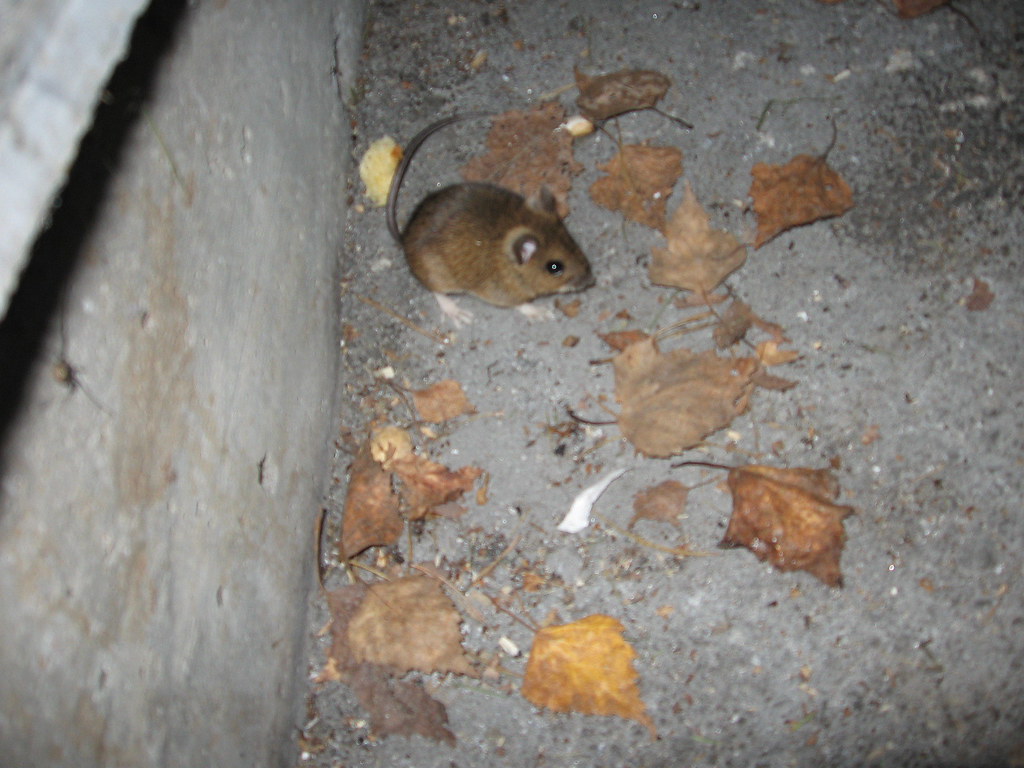
Poem: ‘Poems Like Mice’

Poems should be concise:
quick, small, like mice.
Then one day you find
they’ve made a nest in your mind.

I seem to be writing shorter, more epigrammatic verse recently. Probably influenced by reading too much FitzGerald/Khayyam.

This little poem was published in the December 2020 issue of Snakeskin–which celebrates 25 years as a monthly online poetry magazine, presumably the oldest (or rather “the most venerable”) such magazine in the world. Congratulations to its creator and sustainer, George Simmers!

Photo: “Look at the cute mouse ^^” by letmehearyousaydeskomdeskom is licensed under CC BY-SA 2.0