Tag Archives: Asses of Parnassus

Using form: Iambic tetrameter: Brooke Clark, ‘Celebrities’

They’re insecure black holes of need
and here they come to clog your feed
with photos and confessionals
shaped by PR professionals—
a pool glows blue in the backyard
next to a pull quote: “It was hard
to fight those demons of self-doubt”—
How brave you are for speaking out!
(“Dinner? Umm…the rainbow trout?”)
Some glossy shots show off the house
where, on a massive sun-splashed couch
the boyfriend lounges with a grin—
familiar…what’s that show he’s in?
“Yes, I’ve found love—I’m over the moon!
My memoir’s coming out in June.”
 
But now hushed tones, dropped eyes reveal
we’re ready for the big reveal—
speaking to us as to a friend
she grabs onto the latest trend
and tries to humanize herself
with references to mental health:
“Depression and anxiety—
none of the meds would work for me
but a friend introduced me to
this yogi, or—more like—guru?
He teaches tantric meditation
to reach this cosmic—like—vibration?—
where all your energies align—
Oh yeah, hey, my new makeup line
is rolling out in every state—
I promise the concealer’s great!”
How nice for you. The problem is
for those without advantages
like wealth and fame, the proper cure
for suffering is not so sure,
and wasn’t there some news report
about—“That settled out of court,
so let’s move on,” smoothly insists
the always-hovering publicist.
 
The only cure for their disease?
Awards, red carpets, galaxies
of flashbulbs dazzling their eyes,
the swarms of fans, their ardent cries—
the roar of being glorified
drowns out the whispering voice inside
that tells them that their fame won’t last
but crumble into dust and ash
leaving them lost and destitute—
quick—schedule a new photo shoot!

*****

Brooke Clarke writes: “Celebrities was triggered by scrolling through the news app on my phone and being bombarded with coverage of famous people, which ranged from the adoring to the outright hagiographic. I resisted writing the poem at first, since celebrities seemed like a bit of an obvious target, but in the end I decided to give in & go with it.
In terms of the form, I went back and forth a bit between tetrameter and pentameter couplets, but in the end I settled on the tetrameter. They always strike me as suited to a “lighter” satirical approach, and a slightly more throwaway, less sculpted feel — more Swift than Pope, if that makes sense — and I thought that worked for the subject matter in this one. 
One other point that might be of interest: the poem as I submitted it ended with one final couplet:
Reality gets hard to take
when everything about you’s fake.

I thought it worked as a way to pull back from the specific content and give a final summary to tie things together. The editor who published it in Rat’s Ass Review felt it was heavy-handed and obvious, and belaboured the same points that had already been made, so we agreed to cut it. It might be interesting to know what readers think.”

Brooke Clark is the author of the poetry collection Urbanities and the editor of the online epigrams journal The Asses of Parnassus. He’s still (occasionally, hesitantly) on Twitter at @thatbrookeclark.

Other writing:
A recent poem about the jazz guitarist Johnny Smith, in the journal Syncopation
Another poem in couplets, freely adapted from Catullus 63: https://the-agonist.github.io/poetry/2019/07/01/poetry-clark.html
A recent epigram, from Light 
An article about narcissism in contemporary poetry: https://thewalrus.ca/the-narcissism-of-contemporary-poetry/
A review of Frederick Seidel and Rachel Hadas in Able Muse
An article about Donna Tartt’s novel The Secret History:  https://lareviewofbooks.org/short-takes/donna-tartts-the-secret-history-as-revenge-fantasy/

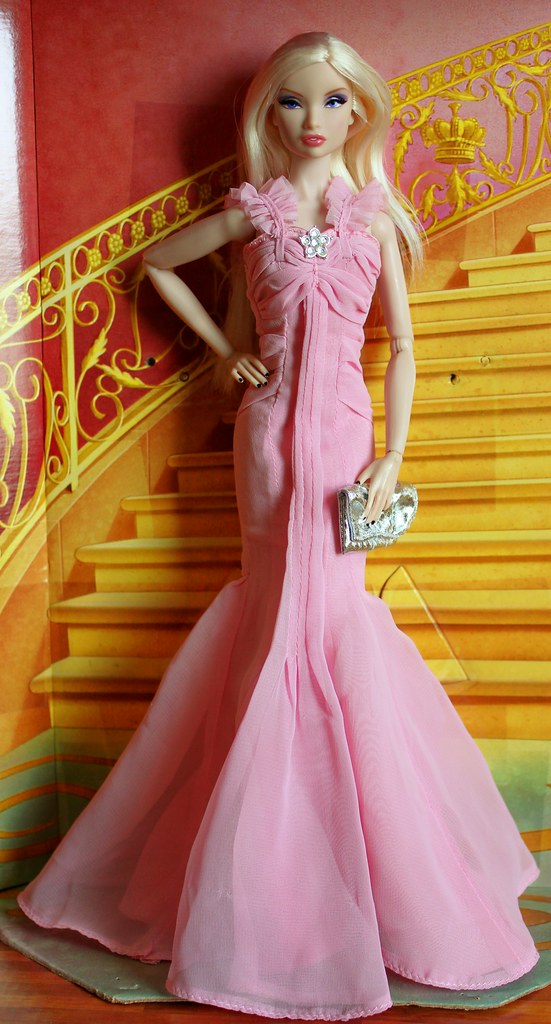
Photo: “Tag Game: Red Carpet Ready for the OSCARS” by napudollworld is licensed under CC BY-NC-ND 2.0.

Very short poem: RHL, ‘The End is Nigh’

The end is an A.I.

*****

This very short (poem?) was just published in The Asses of Parnassus – thanks, Brooke Clark! I chose this post’s accompanying photo for its enigmatic mixture of futuristic construction and threatening natural conditions – the building is the Globe, or Avicii Arena, in Sweden but that is irrelevant.

An alternative photo I considered had a doomsday prophet holding a sign saying “The beginning is nigh”, which would be equally true: the end of homo sapiens being the beginning of some unguessable post-humanity. I read Ray Kurzweil and Yuval Noah Harari, and ponder. And then I look back at (others’) 2015 predictions of what the next ten years would bring, and, well, not so fast…

Photo: “the end is nigh” by dan.boss is licensed under CC BY-NC-SA 2.0.

Short poem: ‘On a Magazine Editor’

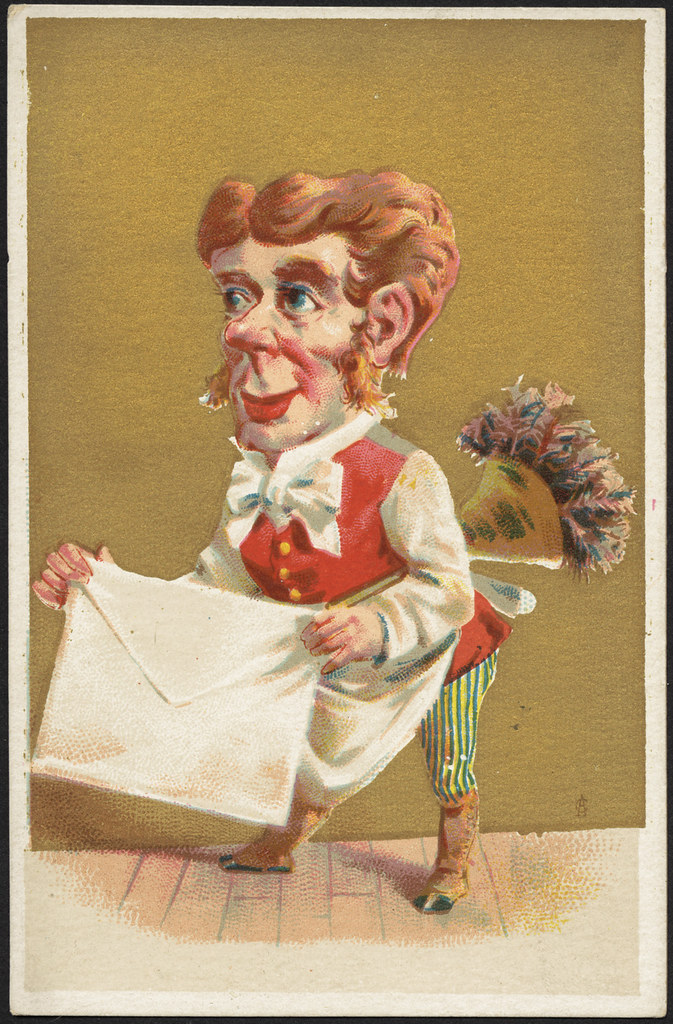
He puts on his apron every day
and dusts, arranges, bests;
but the more finicky his entryway,
the fewer, it seems, the guests.

*****

This little poem was sparked by the difficulties I have in trying to submit to some magazines and in trying to contribute to some discussions. Eventually I give up. And then make snarky comments.

It was recently published in The Asses of Parnassus – thanks, Brooke Clark (who makes the contribution process very simple!)

Illustration: “Man holding an envelope with a feather duster. [front]” by Boston Public Library is licensed under CC BY 2.0.

Short poem: ‘Possessions’

What do you want possessions for?
You’ll die, then you’ll have nothing more.
You lost your house in a fire? The fact is
That was just for practice.

*****

We live (as always) in a time of existential threat to us as individuals and as a species. This short poem was recently published in The Asses of Parnassus – thanks, Brooke Clark! “Light verse”? I like to think so…

Photo, popularly known as ‘Disaster Girl‘. The young Zoë Roth had been taken by her parents to watch the controlled burning of a structure for training purposes when her father took this prize-winning picture of her. To her ongoing delight, the photo became a viral internet meme, and its NFT sold two years ago for close to $500,000.

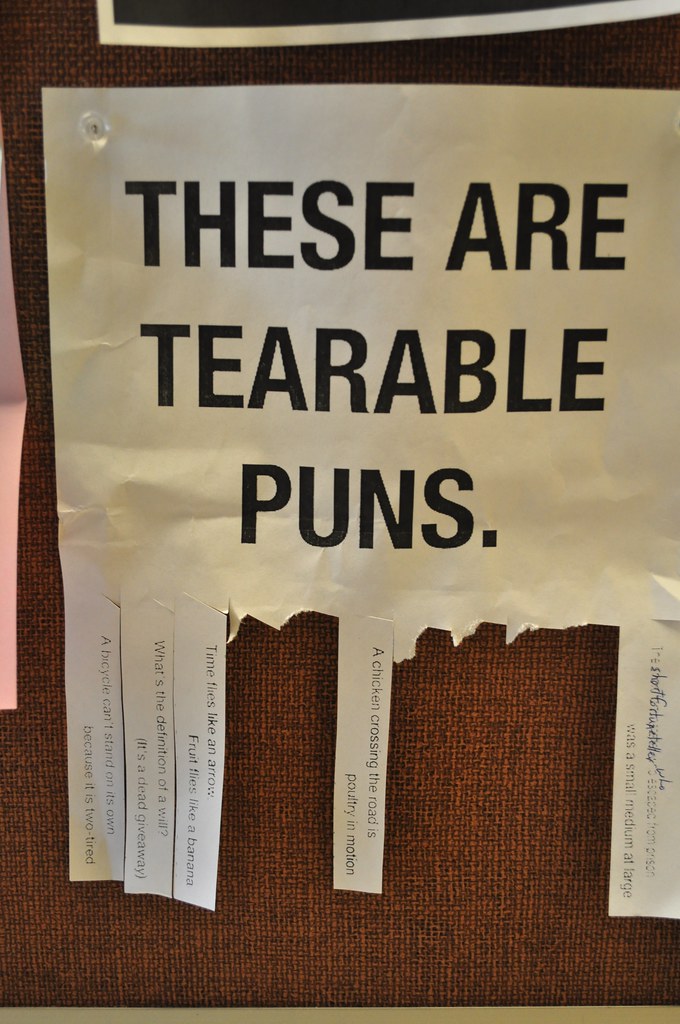
Short poem: ‘Punster’

The artist said the wit
was “full of it”,
disparaged him.
The punster tore the painter limn from limn.

*****

Apparently some people believe that puns are “the lowest form of humour”, but I would suggest that those people are not good at wordplay, and therefore have no poetic sensibility. Look to Homer, Shakespeare and Samuel Johnson for puns; enjoy more discussion and examples here.

This short poem was published in The Asses of Parnassus, home of “short, witty, formal poems”. Thanks, Brooke Clark!

Photo: “punster” by danbruell is licensed under CC BY-NC-SA 2.0.

Susan McLean, ‘Out-of-Town Conference Texts’

He:      Met with a colleague for cocktails.  Last night is a blur.
            Having a wonderful time.  Wish you were her.

She:     I’ve been tidying up and arranging while you’ve been gone.
            When you want to retrieve your things, they’re out on the lawn.

*****

These two couplets by Susan McLean were recently published in The Asses of Parnassus; she comments: “I got the idea for this poem by misreading a line in a poem by Amit Majmudar.  It is not the first time I have gotten an idea for a line by misreading or mishearing something: aging has its unforeseen benefits.  The line was the standard phrase from postcards, “Wish you were here,” which I misread as “wish you were her.”  I immediately saw the comic potential of that phrase, and at first I thought of the exchange as written on postcards. But then I realized that conferences are often short, making sending a postcard impractical, and that no one tends to send postcards anymore.  So I reconceived the poem as texts–which also have to leave a lot unsaid because of their length.  I left open the question of whether “her” was an accidental typo or a deliberate choice.”

Susan McLean has two books of poetry, The Best Disguise and The Whetstone Misses the Knife, and one book of translations of Martial, Selected Epigrams. Her poems have appeared in Light, Lighten Up Online, Measure, Able Muse, and elsewhere. She lives in Iowa City, Iowa.
https://www.pw.org/content/susan_mclean

Photo: “Business Affairs” by edwicks_toybox is licensed under CC BY-NC 2.0.

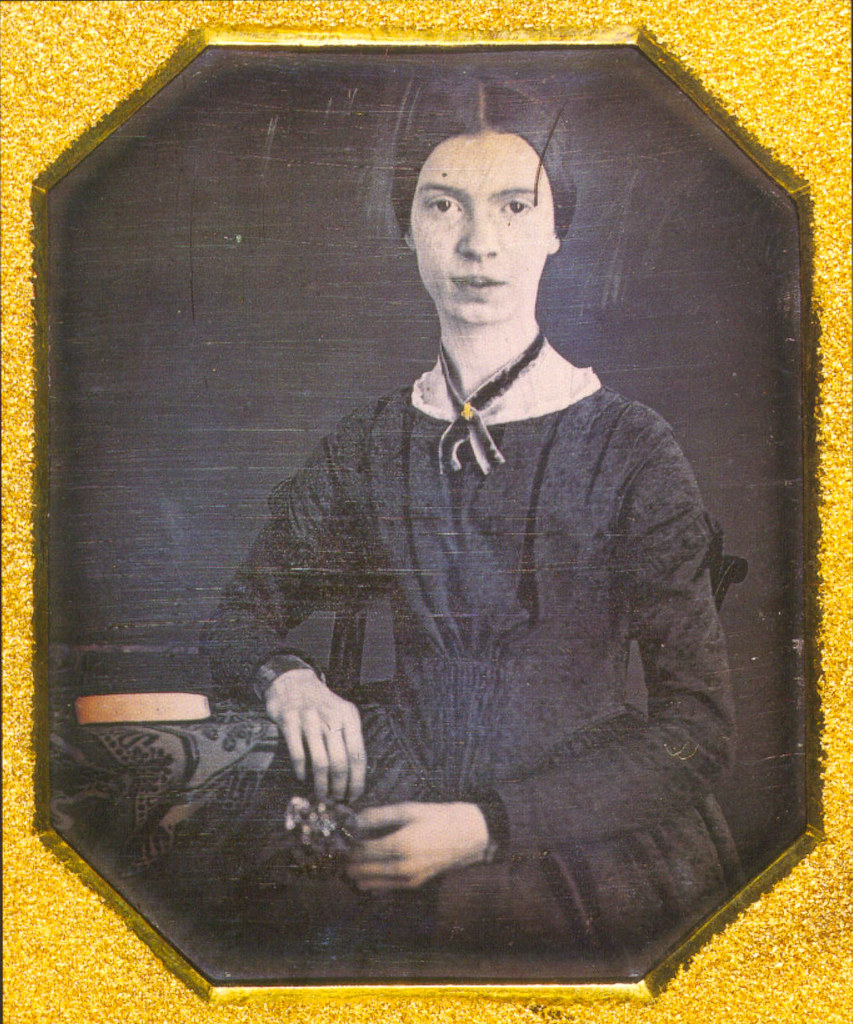
Double Dactyl: ‘Emily Dickinson’

Yellow rose, yellow rose,
Emily Dickinson
lived in seclusion, was
never a wife;
wrote of her garden most
anthropocentrically,
talking with God, Satan,
Death, all her life.

*****

There’s an old suggestion that all of Emily Dickinson’s poetry can be sung to the tune of ‘The Yellow Rose of Texas’.

I never saw a moor,
I never saw the sea;
Yet know I how the heather looks,
And what a wave must be.

(Brave words, but I think that waves would have surprised her with their complexity and power and sensuousness.) There’s a newer suggestion that she lived so reclusively because she suffered from epilepsy, and wanted to hide it as much as possible out of a sense of shame.

Strange woman, strange life, strange little poems… but remarkably insightful, accessible, and word-for-word memorable.

My double dactyl on her was recently published in The Asses of Parnassus – thanks, Brooke Clark!

Emily Dickinson” by Amherst College Archives is marked with Public Domain Mark 1.0.

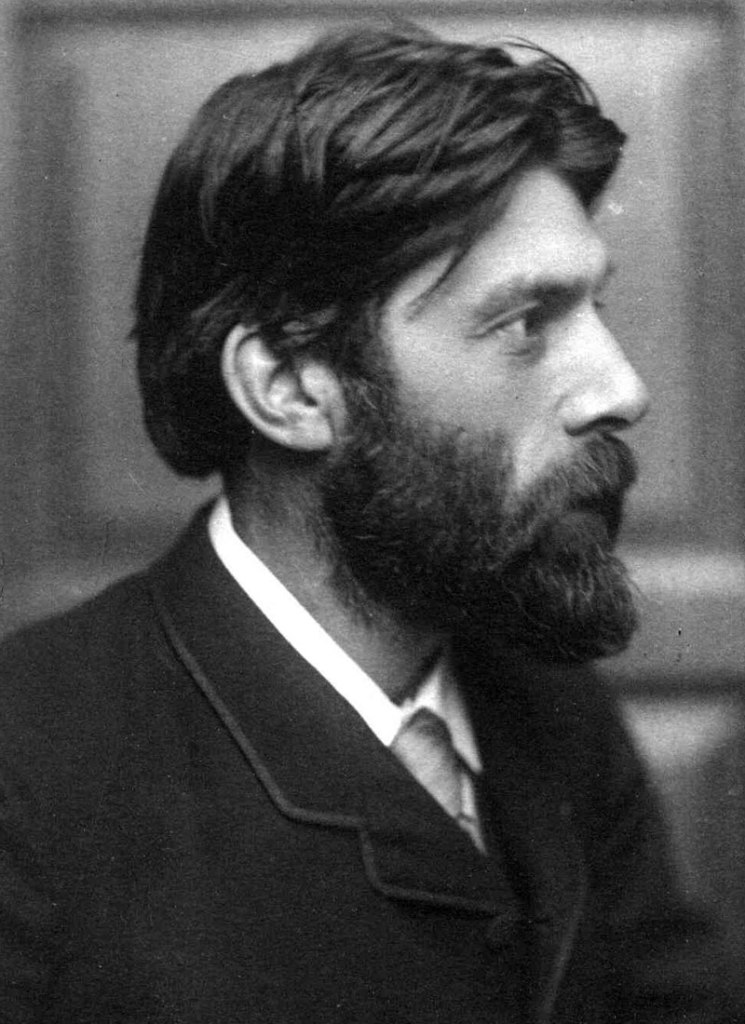
Clerihew: ‘Robert Bridges’

Robert Bridges
was way too religious.
He rhymed like mad for his God,
but his knowledge of Science was flawed.

*****

This clerihew was recently published in The Asses of Parnassus. Regarding the form, Wikipedia says it best: “A clerihew is a whimsical, four-line biographical poem of a type invented by Edmund Clerihew Bentley. The first line is the name of the poem’s subject, usually a famous person, and the remainder puts the subject in an absurd light or reveals something unknown or spurious about the subject. The rhyme scheme is AABB, and the rhymes are often forced. The line length and metre are irregular. Bentley invented the clerihew in school and then popularized it in books.”

As for the subject, Bridges had a lifelong drive for nature, religion and poetry; he produced hymns like “When morning fills the skies”, launched Gerard Manley Hopkins by bringing out a posthumous collection of his poems, and became Poet Laureate. But his poetic style was, like the phonetic alphabet he developed, idiosyncratic and anachronistic; definitely interesting, but not that successful.

It’s not surprising that he is little known. He’s an acquired taste, and even then you have to be in the right mood.

Epigram: ‘Many Why’s’

Many “Why?”s
Make one wise.

*****

This epigram was recently published in The Asses of Parnassus. Thanks, Brooke Clark, for hosting “lots of poems for people with short attention spans.”

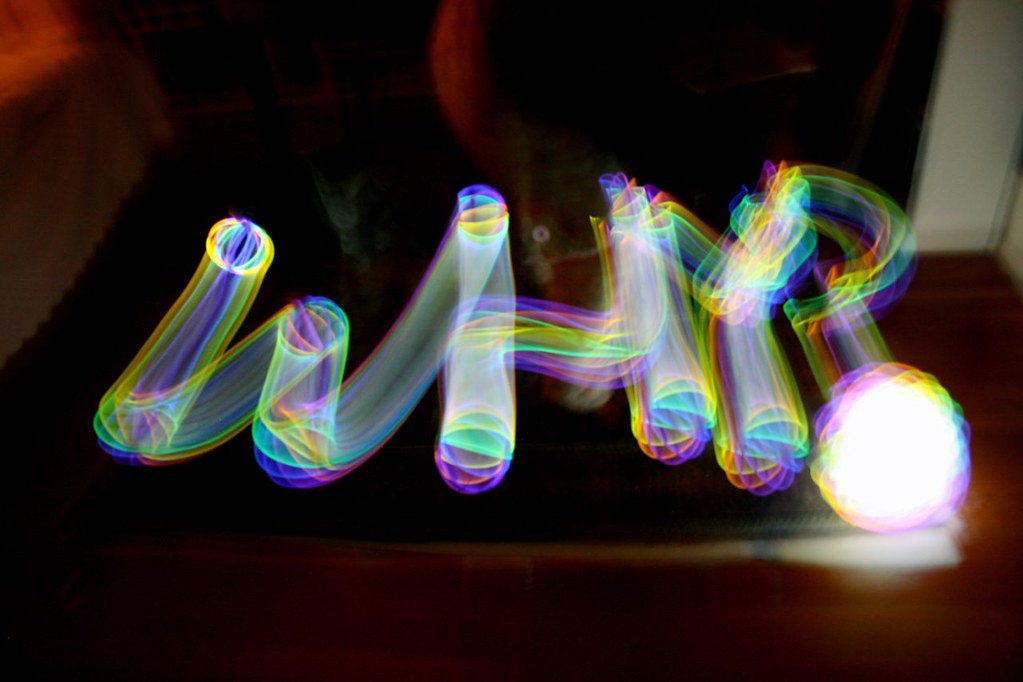
Photo: “WHY?” by annnna_ is licensed under CC BY-ND 2.0.

Potcake Poet’s Choice: Brooke Clark, ‘At a Child’s Funeral’

Today we give to the earth the body of our little girl,
our little darling; we’ll never watch her twirl
around the house again in her impenetrable games
or listen as she wheedles and whines our names
in that annoying tone we tried to break her of before;
now we’d give anything to hear it once more.
She’ll find whatever waits for all of us when this life ends–
eternal silence or the souls of friends–
while, left behind, we bow our heads to see what prayers can do.
Lie lightly, earth–she stepped so lightly on you.

*****

Brooke Clark writes: “‘At A Child’s Funeral‘ is loosely adapted from one of Martial’s epigrams. This poem interested me because it’s quite a departure from Martial’s usual satirical style. In it, he attempts to convey a genuinely tender emotion, which is well outside his usual register of scorn verging on disgust. That made it a departure for me too, and I struggled to get the tone right — emotional without being mawkish. I hope I succeeded! In terms of form, it’s in rhyme, and uses alternating 7-stress and 5-stress lines in imitation of Martial’s elegiac couplets.”

Brooke Clark is the author of the poetry collection Urbanities, the editor of the epigrams website The Asses of Parnassus and the book reviews editor at Able Muse. Twitter: @thatbrookeclark

Photo: “Filipino child funeral” by Ted Abbott is licensed under CC BY-NC-ND 2.0.