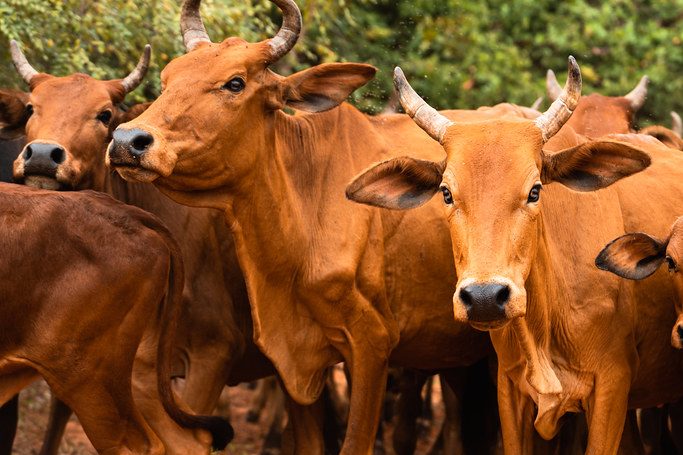
Under a porridge heaven (scourged with black, and prickly-pale as sackcloth) drear and dun, the road lays down its cobbles, mirrored slick with recent rain and half a sickened sun.
A passer-by or two. Not noticing the shambling creatures going to their deaths. A troop of oxen, slipping on the slime, heading for the abbatoir. Their breaths
resigned and patient; runny eyes that see the emerald grass, the clear, bright streams, the fields, the apple-blossomed ease of Normandy.
Silver-drooling snouts. Sometimes a snort or sniff. But nothing more. Remembering the sea. A passing smell. A passing thought.
*****
John Gallas writes: “I love ‘Oxen’, a little gem you find sometimes when translating from periodical/magazine contributions that mostly sank without trace over time. I’d be delighted. It’s from ‘La Parnasse contemporain’ (only ever 3 editions – 1866, 71 and 76).”
Armand d’Artois (1788 – 1867) was a French playwright and librettist. Here is the original:
LES BŒUFS
Sous un ciel bas, d’un blanc triste, teinté de noir, Qui prend l’aspect blafard et morne d’un cilice, La rue étend au loin son pavé rond et lisse Que l’averse a rendu luisant comme un miroir.
Quelques passants s’en vont, flanant sur le trottoir, Sans voir ces condamnés qui marchent au supplice : Des troupeaux de bœufs, dont le pied trébuche et glisse Sur le chemin qui mène au sanglant abattoir.
Et dans les yeux rêveurs de ces bêtes superbes Sont encor peints les clairs ruisseaux, les hautes herbes Et les pommiers en fleur du gras pays normand.
La bave en fils d’argent tombe de leurs narines, Et parfois l’un d’entre eux renifle longuement, Comme au ressouvenir d’âcres senteurs marines.
John Gallas, Aotearoa/NZ poet, published mostly by Carcanet. Saxonship Poet (see www.saxonship.org), Fellow of the English Association, St Magnus Festival Orkney Poet, librettist, translator and biker. 2025 Midlands Writing Prize winner. Presently living in Markfield, Leicestershire. Website is www.johngallaspoetry.co.uk which has a featured Poem of the Month, complete book list, links and news.
Dear Giacopo, this sad, obscene disaster, forever motherless, and piped of breath, if ever it was living, died too soon, and goes untimely to the feast of death. And are the Humours of its tiny tub sweet milk, or tears? For sure, its mother’s womb, its first and living globe, was made of flesh, and not the glass that rounds it in this tomb. The embryo is dead: long live the corse. Its promised Immortality cut short, it floats in blood, aborted, come to naught. O Man! O Slab Professors! Learn perforce that this is Woman’s flesh and blood: more sweet, more frail than glass; less strong than aquavit.
*****
John Gallas writes: “The ‘Abortion’ poem by Bartolomeo Dotti (1651-1713) is part of a work in progress (a History of Italy in Poems – featuring not the Great Monuments but the lesser poets from the 1st poem in Italian up to a poet b.1935). If you ever want any more, there’s 84. At least 60 rhyme and bounce.”
VII L’ABORTO NELL’AMPOLLA A Giacopo Grandis, fisico e anatomico
Questo, Giacopo mio, sconcio funesto cui diè morto natale il sen materno, se maturo nascea, moria ben presto, e voi d’intempestivo il fèste eterno. Non so se dolce latte o pianto mesto gli sia di quel cristal l’umore interno; so ben che l’alvo suo fu come questo, poi ch’utero da vetro io non discerno. Vive quasi per voi chi per sé langue; embrïone morì, scheletro nacque, fatto parto immortal d’aborto essangue. Uomo, impara! Insegnarti al Grandi piacque che sia ventre di donna e maschio sangue piú fral del vetro e men vital de l’acque.
There is a brief outline of Dotti’s turbulent life here.
John Gallas, Aotearoa/NZ poet, published mostly by Carcanet. Saxonship Poet (see www.saxonship.org), Fellow of the English Association, St Magnus Festival Orkney Poet, librettist, translator and biker. 2025 Midlands Writing Prize winner. Presently living in Markfield, Leicestershire. Website is www.johngallaspoetry.co.uk which has a featured Poem of the Month, complete book list, links and news.
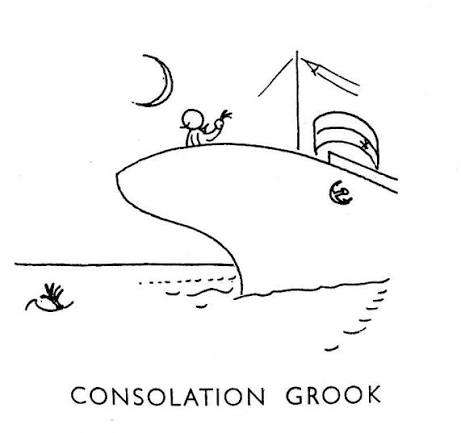
Losing one glove is certainly painful, but nothing compared to the pain, of losing one, throwing away the other, and finding the first one again.
*****
Piet Hein’s original Danish version, ‘Trøstegruk’ reads: Den, som taber sin ene handske, er heldig i forhold til dén, der taber den ene, kasserer den anden . . . og finder den første igen.
Hein did his own translation into English (as he did with hundreds of his Grooks), and sacrificed word-for-word translation for the sake of keeping the rolling rhythm and the rhyme: the original’s word “lucky” has gone, the word “pain” is introduced to rhyme with “again”. I am glad to see a poet translating his own work, and keeping the versifying more important than the literal words. This is what poetry translation is all about, surely.
The poem has an interesting origin story: it was written right after Germany occupied Denmark in April 1940, and was published in the newspaper Politiken’s daily short poem spot. While it passed German censorship as a light comment on the vicissitude of things, the Danish resistance movement (which Hein was active in) spread it as graffiti across the country, a coded message with losing one glove representing losing freedom, and throwing away the second glove representing giving up your patriotism, collaborating, which you will eventually come to regret.
‘Consolation Grook’ was the first Grook published by Piet Hein. He had a rich and varied life, with an academic background in science, art and philosophy; he was a script writer, an inventor, a furniture designer, a game creator; someone Niels Bohr would bounce ideas off, a friend of Einstein, Charlie Chaplin, and the puzzle creator Martin Gardner. Piet Hein was married four times, and before you think that his personal life would have been like his very civilised grooks, I suggest reading about his tendency to violence and the questions it raises about the death of his fourth wife, the Swedish actress Gerd Ericsson: https://pershmail.substack.com/p/piet-heins-problems
Throne of my lonely niche, my wealth, my love, my moonlight. My most sincere friend, my confidant, my very existence, my female Sultan, The most beautiful among the beautiful… My springtime, my merry-faced love, my daytime, my sweetheart, laughing leaf… My plants, my sweet, my rose, the one only who does not distress me in this world… My Istanbul, my Caraman, the earth of my Anatolia My Badakhshan, my Baghdad, my Khorasan My woman of the beautiful hair, my love of the slanted brow, my love of eyes full of mischief… I’ll sing your praises always I, lover of the tormented heart, Muhibbi of the eyes full of tears, I am happy.
*****
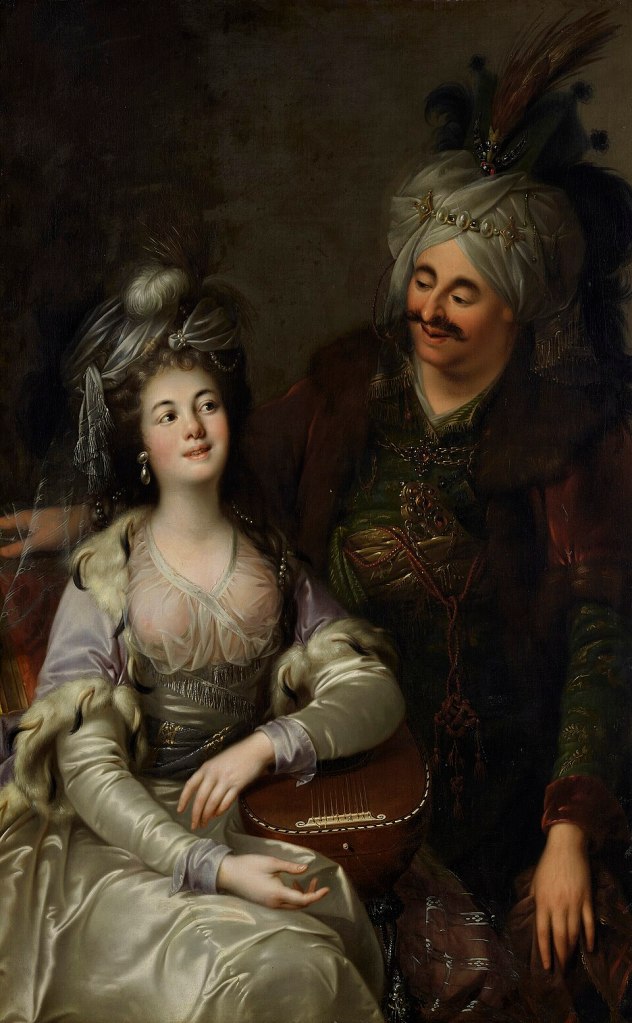
Suleiman the First, born in 1494, was Ottoman emperor from 1520 to 1566. Known to his subjects as The Lawgiver from his extensive reforms of education, society, taxation and criminal law, he was known in the West as The Magnificent for his court surpassing Europeans in grandeur. He formed an alliance with the French against the Hapsburgs, extended the empire in the Balkans and North Africa, and broke with tradition by marrying a Ukrainian or possibly Polish slave from his harem: Roxelana, or Hürrem, the mother of his successor Selim the Second. Under the pen name Muhibbi, he wrote love poems for Roxelana.
Painting: Attributed to Anton Hickel (1745-1798), Roxelana and Suleiman the Magnificent
Lion-Eating Poet in the Stone Den is crafted entirely from the syllable “shi,” distinguished only by tonal variation, yet it still conveys a complete and coherent story in Chinese. The poem was originally written by Hu Mingfu (胡明复) and published by linguist Yuen Ren Chao in Volume 11 of The Chinese Students’s Monthly in 1916.[2][3] It was then refined by Yuen Ren Chao in the 1930s for demonstrative purposes in his lectures.
In Chinese:
“Shi Shì shí shĩ shĩ”
Shíshì shishì Shi Shì, shì shi, shì shí shí shĩ. Shì shíshí shì shì shì shĩ. Shí shí, shì shí shi shì shì. Shì shí, shì Shi Shì shì shì. Shì shì shì shí shĩ, shì shĩ shì, shĩ shì shí shĩ shìshì. Shì shí shì shí shi shi, shì shíshì. Shíshì shĩ, Shì shĩ shì shì shíshì. Shíshì shì, Shì shĩ shì shí shì shí shĩ. Shí shí, shĩ shí shì shí shĩ shĩ, shí shí shí shĩ shĩ. Shì shì shì shì.
English Translation:
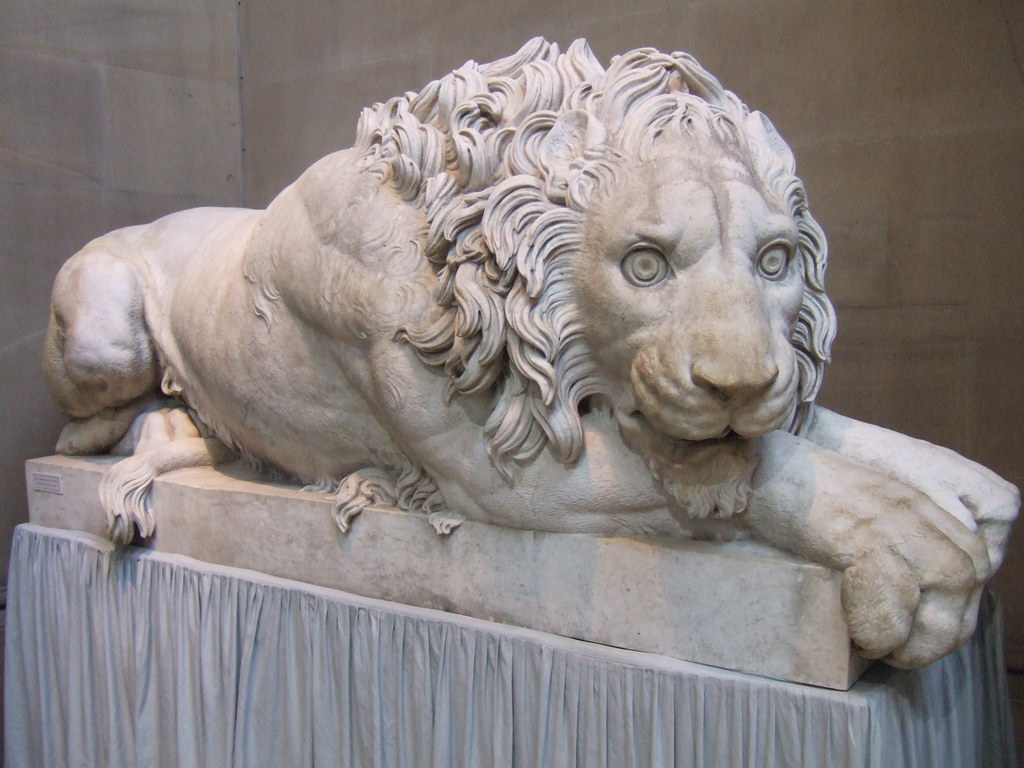
In a stone den lived a poet named Shi, who loved lions and had resolved to eat 10 lions. He often went to the market to look for lions. At 10 o’clock, 10 lions had just arrived at the market. At that moment, Shi also arrived at the market. He saw those 10 lions and, using his arrows, slayed them. He brought the bodies of the 10 lions back to the stone den. The stone den was damp, so he asked his servants to wipe it clean. After it was cleaned, he tried to eat the 10 lions. When he began eating, he realized that those 10 lions were actually 10 stone lion statues. Try to explain this matter.
*****
If you chase this odd poem down in more detail, you will find arguments about the original poet’s intent, and the subsequent modifications by Yuen Ren Chao (who apparently claimed full ownership), and which language is appropriate for it, and more, in Wikipedia and elsewhere. I leave you with a long excerpt from pinyin.info:
“Yuen Ren Chao was the leader of the group that designed National Romanization. He knew that National Romanization (Guóyǔ Luómǎzì) could only write “modern vernacular Chinese,” and not Classical Chinese. In order to demonstrate this point he playfully wrote a classical essay consisting entirely of “homophones” entitled “Record of Mr. Shi Eating Lions.” The whole essay is copied as follows:
Shi2 shi4 shi1shi4 Shi1 shi4 shi4 shi1, shi4 shi2 shi2 shi1. Shi4 shi2shi2 shi4 shi4 shi4 shi1. Shi2 shi2, shi4 shi4 shi4, shi4 shi2 shi* shi1 shi4 shi4. Shi4 shi2, shi4 shi4 shi4 shi2 shi1, shi3 shi2 shi2 shi3 shi4, shi3 shi4 shi2 shi1 shi4shi4. Shi4 shi2 shi4 shi2 shi1 shi1 shi4 shi2 shi4. Shi2 shi4 shi1, shi3 shi4 shi4 shi3 shi2 shi4. Shi2 shi4 shi4. Shi4 shi3 shi4 shi2 shi4 shi2 shi1 shi1. Shi2 shi2, shi3 shi4 shi4 shi2 shi* shi1 shi1 shi2 shi2 shi* shi2 shi1 shi1. Shi4 shi2, shi4 shi3 shi4 shi4 shi4shi2. Shi4 shi4 shi4 shi4.” (The original article had no punctuation.) (* The character 硕 shuò, meaning huge, was pronounced as shí in the past.)
The vernacular translation of this essay is:
Shítou wūzi lǐ xìng Shī de shīrén xǐhuan chī shīzi, tā juéxīn yào chīdiào 10 tóu shīzi. Tā shíshí dào shìchǎng shàngqu kàn shīzi. Shí diǎn zhōng, tā dào shìchǎng, gānghǎo 10 tóu zhuàngdà de shīzi láidào shìchǎng. Zhè shíhou, tā kàn le zhè 10 tóu shīzi, yīkào 10 zhī shítou zuò de jiàn, bǎ zhè 10 tóu shīzi shāsǐ. Tā jiǎn qǐ zhè 10 tóu shīzi de shītǐ, huídào shítou wūzi lǐ qù. Shítou wūzi cháoshī. Tā jiào shìzhě mǒgān shítou wūzi. Shítou wūzi mǒgān le, tā kāishǐ chángshì chī zhè 10 tóu shīzi de shītǐ. Chī de shíhou, cái zhīdào zhè 10 tóu zhuàngdà de shīzi de shītǐ, shíjì shì 10 tóu zhuàngdà de shítou shīzi de shītǐ. Zhè shíhou, tā cái míngbai zhè jiàn shì de zhēnxiàng. Qǐng nǐ jiěshì, zhè shì zěnme huíshì?
The English translation of the essay is:
Mr. Shi, a poet who lived in a stone house, liked to eat lions. He vowed to eat ten lions. He often went to the market to look at lions. At ten o’clock, he went to the market, (and) just then ten large lions (also) came to the market. At that time, he saw these ten lions. Relying on the power of ten arrows with stone tips, he caused the ten lions to pass away. He picked up the bodies of the ten lions and went back to his stone house. The stone house was damp, so he told his servant to try and wipe it (dry). After the house had been wiped (dry), he began to try to eat the bodies of the ten lions. As he was eating, he realized that the bodies of the ten large lions were actually bodies of ten large stone lions. Only then did he understand the real situation. Can (you) explain what happened? (Translated by Victor H. Mair)
The point is that, if Chao’s classical essay were written in Hanyu Pinyin, everything would be shi and naturally no one could read and understand it. In other words, it is a kind of tour de force tongue twister. Even if it were written in characters, people still would not be able to understand it when it is read aloud. There are people who use this (playful) piece (that is forced and unnatural even in Classical Chinese) to oppose Hanyu Pinyin. They have completely misunderstood Yuen Ren Chao’s original intention!”
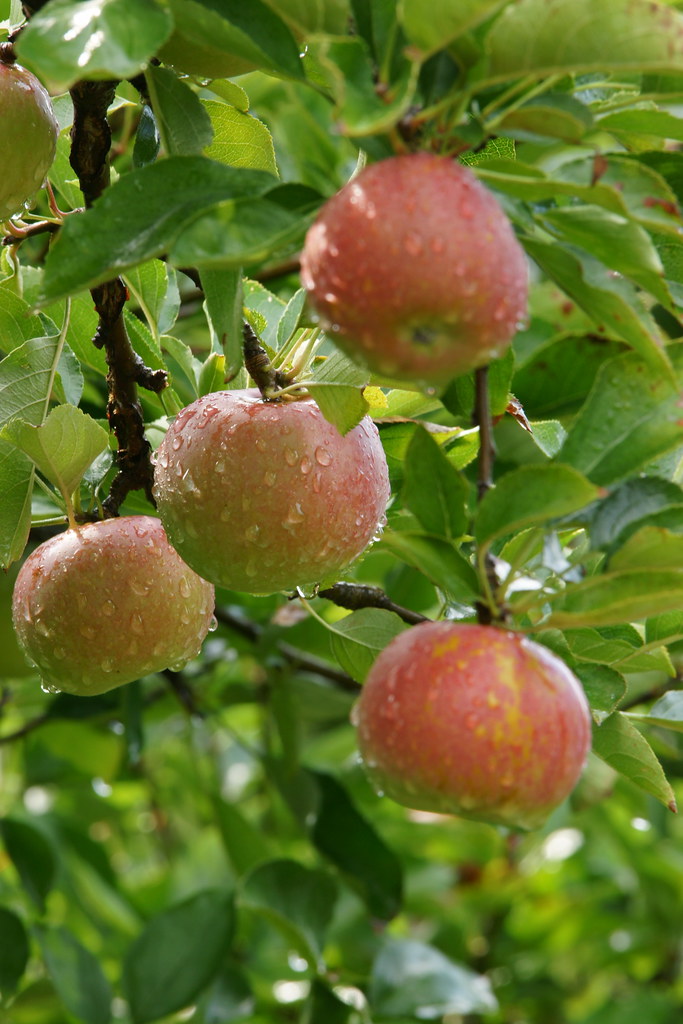
So there you are, clambering amongst the topmost golden apples when – ker-boom! A storm! an avalanche! comes hurtling through, ripping round the orchard-side. And you?
Down that ladder smartish. Catch your breath. Shelter in the shed, whose wobbly walls squeal with lightning-snaps , whose old roof pings and rattles in the hail. And then? Then things
go back to normal. Rosy sky. The grass, perky with flowers, says No Damage Done. So up you go again, and pick the fruit, that beckon, brighterwetter, in the sun.
Parmi les pommes d’or que frôle un vent léger Tu m’apparais là-haut, glissant de branche en branche, Lorsque soudain l’orage accourt en avalanche Et lacère le front ramu du vieux verger.
Tu fuis craintive et preste et descends de l’échelle Et t’abrites sous l’appentis dont le mur clair Devient livide et blanc aux lueurs de l’éclair Et dont sonne le toit sous la pluie et la grêle.
Mais voici tout le ciel redevenu vermeil. Alors, dans l’herbe en fleur qui de nouveau t’accueille, Tu t’avances et tends, pour qu’il rie au soleil, Le fruit mouillé que tu cueillis, parmi les feuilles.
*****
John Gallas writes: “Loved doing these – 3 months, off and on, 50 mornings, to do 50 Verhaeren poems – the ones from ‘The Flems’ (‘Les Flamands’) are wonderful, objective descriptions of loft, orchard, pond, farmyard, cow, cowherd, espaliers, milk, breadbaking etc. Did ’em all. So the whole 50 set is with Carcanet – just sent last week – awaiting a decision: the little feature for ‘Storm’ might be a good sign!”
John Gallas, Aotearoa/NZ poet, published mostly by Carcanet. Saxonship Poet (see www.saxonship.org), Fellow of the English Association, St Magnus Festival Orkney Poet, librettist, translator and biker. 2025 Midlands Writing Prize winner. Presently living in Markfield, Leicestershire. Website is www.johngallaspoetry.co.uk which has a featured Poem of the Month, complete book list, links and news.
How beautiful to view the crown of fire encircling day, to watch its rise, to see its kiss illuminate the brilliant waves, its blaze ignite the skies!
How beautiful in gloomy fall to drink perfume from flower petals still a little moist from morning rain, to breathe in sweetness ‘til you’ve had your fill!
How beautiful to watch as white descends in silent flakes of powdered snow, to gaze at crimson tongues that stir within the hearth that frames their crackling glow!
How beautiful when feeling tired to rest a snoring head on pillows’ fluff, to eat and drink and fatten up! And what a shame these things are not enough!
*****
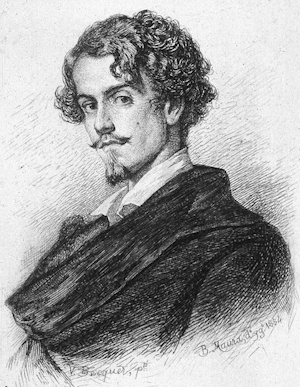
Paul Burgess writes: “Instead of providing a strict, academic translation, I have sought to recreate the experience of reading Bécquer. While recognizing that this is “my” Bécquer, I hope that this version will help contemporary English speakers enjoy the nearly untranslatable musicality and lyricism of one of the finest lyric poets to have ever written in Spanish.”
‘A Translation from Bécquer’ was originally published in Snakeskin.
Rima LXVII: Qué hermoso es ver el día
¡Qué hermoso es ver el día coronado de fuego levantarse y a su beso de lumbre brillar las olas y encenderse el aire!
¡Qué hermoso es, tras la lluvia del triste otoño en la azulada tarde, de las húmedas flores el perfume aspirar hasta saciarse!
¡Qué hermoso es cuando en copos la blanca nieve silenciosa cae, de las inquietas llamas ver las rojizas lenguas agitarse!
¡Qué hermoso es cuando hay sueño dormir bien… y roncar como un sochantre… Y comer… y engordar… y qué desgracia que esto sólo no baste!
Paul Burgess is the sole proprietor of a business in Lexington, Kentucky that offers ESL classes in addition to English, Japanese, and Spanish-language translation and interpretation services. He has contributed work to Blue Unicorn, The Road Not Taken, Light, The Orchards, Snakeskin, Pulsebeat, Lighten Up Online, Apricity, Star*Line, Asses of Parnassus, The New Verse News, and many other publications.
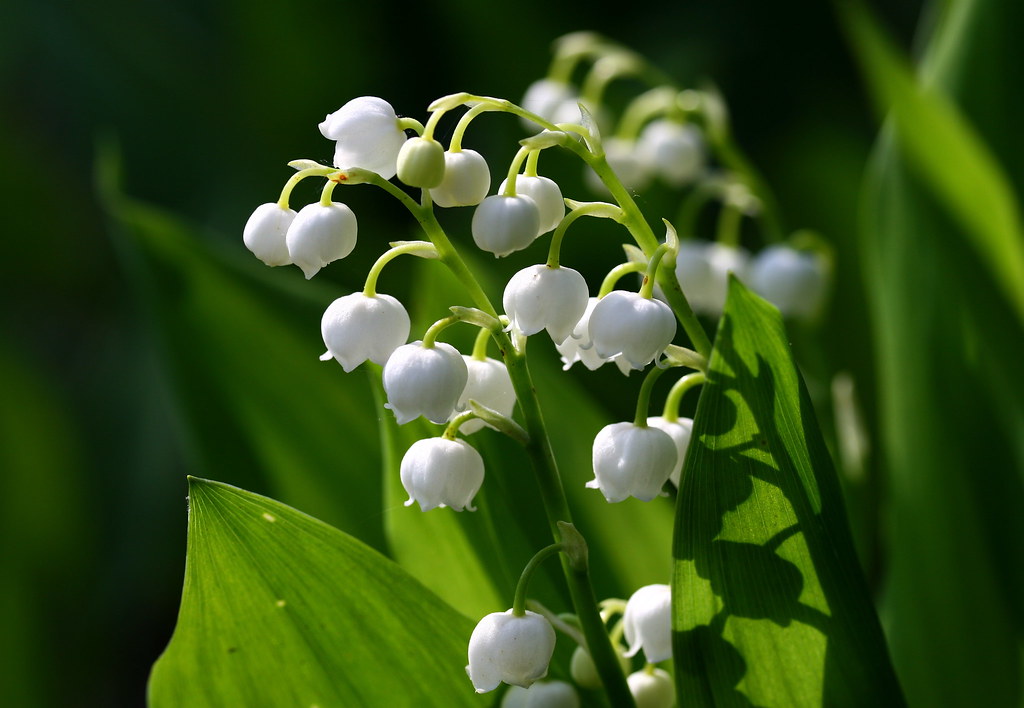
When at the end of spring I pick for the last time My favourite flowers— a yearning fills my breast, And to the future I urgently appeal: Let me but once again look upon the lilies of the valley.
Now they have faded. Like an arrow the summer has flown by, The days have grown shorter. The feathered choir is still, The sun more charily grants us its warmth and light, And already the wood has laid its leafy carpet.
Then when harsh winter comes And the forests don their snowy cover, Despondently I roam and wait with new yearning For the skies to shine with the sun of spring.
I find no pleasure in books, or conversation, Or swift-rushing sledges, or the ball’s noisy glitter, Or Patti, or the theatre, or delicate cuisine, Or the quiet crackling of smouldering logs on the fire
I wait for spring. And now the enchantress appears, The wood has cast off its shroud and prepares for us shade, And the rivers start to flow, and the grove is filled with sound, And at last the long-looked-for day is here!
Quick to the woods!—I race along the familiar path. Can my dreams have come true, my longings be fulfilled?— There he is! Bending to the earth, with trembling hand I pluck the wondrous gift of the enchantress Spring.
O lily of the valley, why do you so please the eye? Other flowers there are more sumptuous and grand, With brighter colours and livelier patterns, Yet they have not your mysterious fascination.
Where lies the secret of your charms? What do you prophesy to the soul? With what do you attract me, with what gladden my heart? Is it that you revive the ghost of former pleasures, Or is it future bliss that you promise us?
I know not. But your balmy fragrance, Like flowing wine, warms and intoxicates me, Like music, it takes my breath away, And like a flame of love, it suffuses my burning cheeks.
And I am happy while you bloom, modest lily of the valley, The tedium of winter days has passed without a trace, And oppressive thoughts are gone, and in my heart in languid comfort Welcomes, with you, forgetfulness of trouble and woe.
Yet now you fade. Again in monotonous succession The days will begin to flow slowly, and stronger than before Will I be tormented by importunate yearning, By the agonizing dream of the happiness of days in May.
And then someday spring again will call And raise the living world out of its fetters. But the hour will strike. I shall be no more among the living, I shall meet, like everyone, my fated turn.
And then what?—Where, at the winged hour of death, Will my soul, heeding its command, soundlessly soar? No answer! Be silent, my restless mind, You cannot guess what eternity holds for us.
But like all of nature, drawn by our thirst to live, We call to you and wait, beautiful Spring! The joys of earth are so near to us, so familiar— The yawning maw of the grave so dark!
*****
Lilies of the Valley (Ландыши) is a poem written by Pyotr Ilyich Tchaikovsky in December 1878 while he was in Florence.
“I am terribly proud of this poem”, he wrote when enclosing a copy to his brother Modest. “For the first time in my life I have managed to write a fairly good poem, which moreover is deeply heartfelt. I assure you that although it was very difficult, still I worked on it with the same pleasure as I do on music.”
Когда в конце весны последний раз срываю Любимые цветы, – тоска мне давит грудь, И к будущему я молитвенно взываю: Хоть раз еще хочу на ландыши взглянуть.
Вот отцвели они. Стрелой промчалось лето, Короче стали дни, умолк пернатый хор, Скупее солнце нам дает тепла и света, И разостлал уж лес свой лиственный ковер.
Потом, когда придет пора зимы суровой И снежной пеленой оденутся леса, Уныло я брожу и жду с тоскою новой, Чтоб солнышком весны блеснули небеса.
Не радуют меня ни книга, нибеседа, Ни быстрый бег саней, ни бала шумный блеск, Ни Патти, ни театр, ни тонкости обеда, Ни тлеющих полен в камине тихий треск.
Я жду весны. И вот волшебница явилась, Свой саван сбросил лес и нам готовит тень, И реки потекли, и роща огласилась, И наконец настал давно желанный день!
Скорее в лес!.. Бегу знакомою тропою: Ужель сбылись мечты, осуществились сны?.. Вот он! Склонясь к земле, я трепетной рукою Срываю чудный дар волшебницы-весны.
О ландыш, отчего так радуешь ты взоры? Другие есть цветы роскошней и пышней, И ярче краски в них, и веселей узоры, — Но прелести в них нет таинственной твоей.
В чём тайна чар твоих? Что ты душе вещаешь? Чем манишь так к себе и сердце веселишь? Иль радостей былых ты призрак воскрешаешь! Или блаженство нам грядущее сулишь?
Не знаю. Но меня твоё благоуханье, Как винная струя, и греет и пьянит, Как музыка, оно стесняет мне дыханье И, как огонь любви, питает жар ланит.
И счастлив я, пока цветешь ты, ландыш скромный, От скуки зимних дней давно прошел и след, И нет гнетущих дум, и сердце в неге томной Приветствует с тобой забвенье зол и бед.
Но ты отцвел. Опять чредой однообразной Дни тихо потекут, и прежнего сильней Томиться буду я тоскою неотвязной, Мучительной тоской о счастье майских дней. — И вот когда-нибудь весна опять разбудит И от оков воздвигнет мир живой. Но час пробьет. Меня – среди живых не будет, Я встречу, как и все, черед свой роковой.
Что будет там?.. Куда, в час смерти окрыленный, Мой дух, веленью вняв, беззвучно воспарит? Ответа нет! Молчи, мой ум неугомонный, Тебе не разгадать, чем вечность нас дарит.
Но, как природа вся, мы, жаждой жить влекомы, Зовем тебя и ждем, красавица весна! Нам радости земли так близки, так знакомы,- Зияющая пасть могилы так темна!
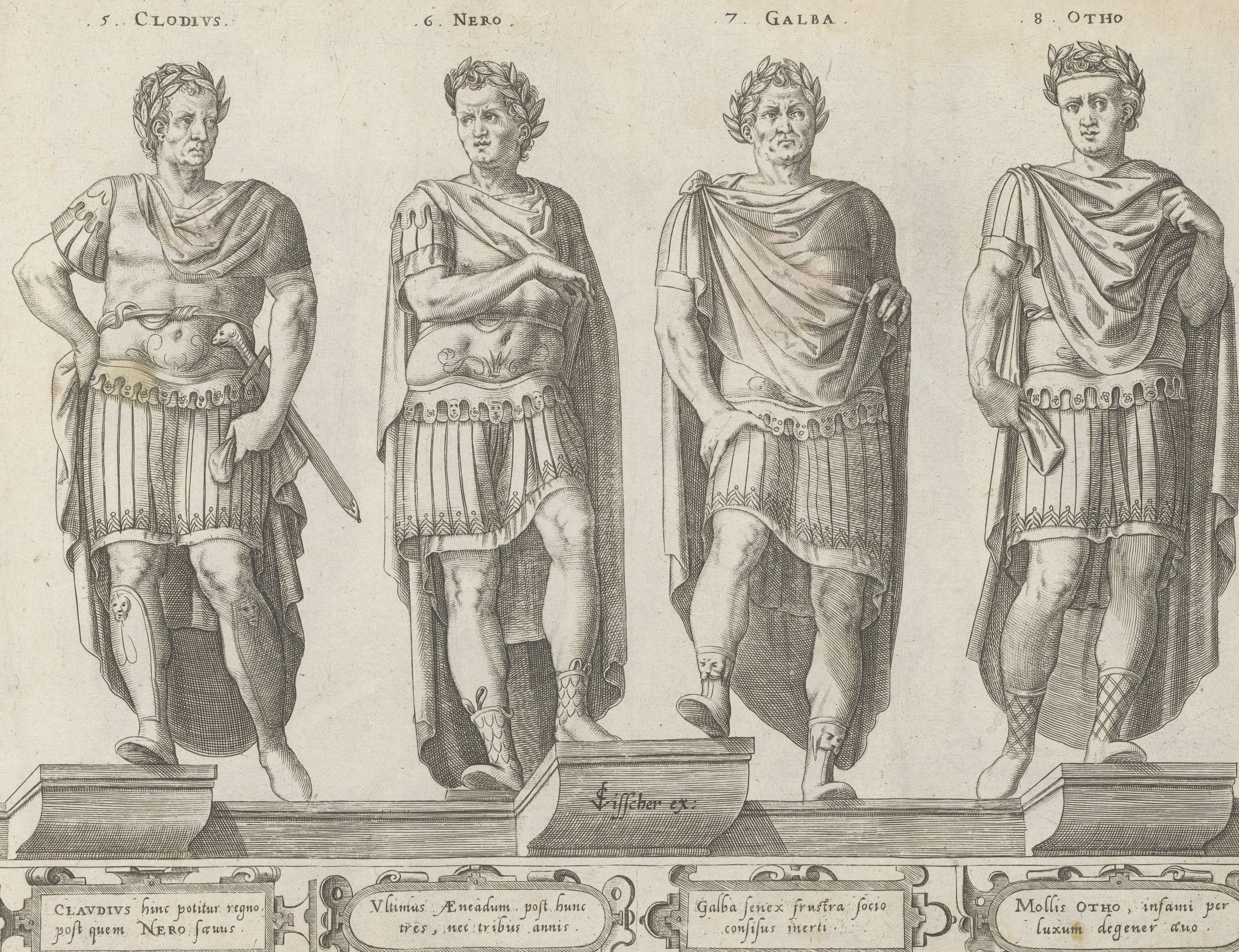
He gave a careless shrug when he had heard The Delphic Oracle’s prophetic word: “Beware, my lord, the age of seventy-three” (For Delphi was renowned for verity). “I’m thirty now with years to plan for knives Before the gods’ appointed day arrives.” Reclining in his litter, bound for home, Delighted Nero journeyed back to Rome.
When he returned, he felt a little drained; With news like this, how could he be restrained? Surrendering to pleasure on the way — To gardens and gymnasia by day, By night to dance and poetry and drink In torchlit theatres where bodies slink Whose dancing ever animates and soothes, The naked bodies of Achaean youths.
Thus Nero rests, while on an arid plain Far to the west of Rome, in distant Spain, Old Galba drills his legions secretly, Old Galba who was spry for seventy-three.
(After C. P. Cavafy’s ‘Η διορία του Νέρωνος’.)
*****
Drew Nathaniel Keane writes: “I’m enchanted by the verse of Constantine Cavafy — ‘a Greek gentleman in a straw hat, standing absolutely motionless at a slight angle to the universe’, as E. M. Forster once described him. In his wry and wistful, gossipy and subtle singing, the Alexandria of Cleopatra feels as immediate as one of his own one-night stands in modern-day Alexandria. It’s quite a contrast to the chest-thumping, hero-worshiping sort of classicism one too often sees on the app formerly known as Twitter. There are already many fine translations of the brief 1915 poem, Η διορία του Νέρωνος [‘The Deadline of Nero’], based upon an anecdote in Suetonius’s Life of Nero, of which my favorite is Ian Parks’s paraphrase, published in his little collection The Cavafy Variations (Rack Press, 2013). My paraphrastic version of the poem was inspired by Parks’s, of which one can hear echoes — the “shrug” of line 1, of course, and his turning the punchline into a rhyming couplet gave me the idea to give Η διορία του Νέρωνος the Drydenian-Popean treatment I have.
Δεν ανησύχησεν ο Νέρων όταν άκουσε του Δελφικού Μαντείου τον χρησμό. «Τα εβδομήντα τρία χρόνια να φοβάται.» Είχε καιρόν ακόμη να χαρεί. Τριάντα χρονώ είναι. Πολύ αρκετή είν’ η διορία που ο θεός τον δίδει για να φροντίσει για τους μέλλοντας κινδύνους.
Τώρα στην Ρώμη θα επιστρέψει κουρασμένος λίγο, αλλά εξαίσια κουρασμένος από το ταξίδι αυτό, που ήταν όλο μέρες απολαύσεως — στα θέατρα, στους κήπους, στα γυμνάσια… Των πόλεων της Αχαΐας εσπέρες… Α των γυμνών σωμάτων η ηδονή προπάντων…
Αυτά ο Νέρων. Και στην Ισπανία ο Γάλβας κρυφά το στράτευμά του συναθροίζει και το ασκεί, ο γέροντας ο εβδομήντα τριώ χρονώ.
D. N. Keane (PhD St And) is a Lecturer of English at Georgia Southern University. His verse has been published in Snakeskin (including ‘Seventy-Three’), Spirit Fire Review, Lighten UpOnline, Better Than Starbucks, Earth & Altar, and other venues. More of his work can be found at drewkeane.com.
Would someone kindly tell me please Where the Roman, Flora, went? And where is Alcibiades, Her cousin? In what continent? And Echo, singing merriment… Speak up now, someone, if you know, Is Echo’s lovely timbre spent? And where did last year’s snowflakes go?
And where on earth is Heloise Whose lover’s private parts were rent, The subject of such cruelties Brought down in such a foul descent? And where’s the Queen whose heart was bent Against young Buridan so low She drowned him in the Seine, poor gent? And where did last year’s snowflakes go?
And Blanche, the Queen, who sang with ease, And Siren-like made men content? And Big Foot Bertha, Beatrice? And Arembourg, Maine’s resident? And Joan, who still would not relent Although the flames attacked her so? Virgin, my poor ears are bent! And where did last year’s snowflakes go?
Prince, don’t ask me to invent Responses that seem apropos. In this refrain my answer’s pent: And where did last year’s snowflakes go?
*****
Ballade des dames du temps jadis
Dictes moy où, n’en quel pays, Est Flora, la belle Romaine ; Archipiada, ne Thaïs, Qui fut sa cousine germaine; Echo, parlant quand bruyt on maine Dessus rivière ou sus estan, Qui beauté eut trop plus qu’humaine? Mais où sont les neiges d’antan!
Où est la très sage Heloïs, Pour qui fut chastré et puis moyne Pierre Esbaillart à Sainct-Denys? Pour son amour eut cest essoyne. Semblablement, où est la royne Qui commanda que Buridan Fust jetté en ung sac en Seine? Mais où sont les neiges d’antan!
La royne Blanche comme ung lys, Qui chantoit à voix de sereine; Berthe au grand pied, Bietris, Allys; Harembourges qui tint le Mayne, Et Jehanne, la bonne Lorraine, Qu’Anglois bruslerent à Rouen; Où sont-ilz, Vierge souveraine ? Mais où sont les neiges d’antan!
Prince, n’enquerez de sepmaine Où elles sont, ne de cest an, Qu’à ce refrain ne vous remaine: Mais où sont les neiges d’antan!
*****
Robert Schechter writes: “I wrote this translation of François Villon‘s Ballade several years ago and I don’t remember a whole lot about the process, other than there was a thread at Eratosphere where many people were trying their hand at a translation, and this was my own go at it. I tried to take a breezy tone, almost but not quite humorous, and to my amazement the rhymes I started with didn’t peter out before the ending.”
The poem is published in the current issue of Eclectica.
Robert Schechter is a past winner of the Willis Barnstone Translation Prize and the X.J. Kennedy Parody Award. His book of children’s poems, The Red Ear Blows Its Nose: Poems for Children and Others, was named one of the best books of 2023 by School Library Journal and Bank Street College, after receiving starred reviews from Kirkus Reviews, Booklist, and School Library Journal. His poems have appeared in The Washington Post, The Spectator, Highlights for Children, Cricket, Spider, Ladybug, The Caterpillar, The School Magazine, The Paris Review Online, Poetry East, Measure, Snakeskin, The Evansville Review, and Light, where he also appeared as a featured poet, as well as in several anthologies such as the Everyman’s Library Villanelles and The National Geographic Book of Nature Poetry.