Category Archives: Robin Helweg-Larsen

Poem: ‘Chrysalis’

After a billion years of larval hit-and-miss
humans emerged, stood up, and fed, and grew,
started to build their city chrysalis
from which, 3,000 years entombed, now formed anew,
they burst in wild bright flight with wings deployed
out to the stars. The egg case of this final birth,
the Earth,
was, naturally, destroyed.

We have good news and bad news. The bad news is that the rate of change is ever-increasing in all aspects of human life–from our bodies to our planet–and we will never return to the old normal. The good news is that this is the process by which life advantages to higher levels of organisation and intelligence.

This poem was originally published in Star*Line, one of the two magazines of the Science Fiction and Fantasy Poetry Association (SFPA). The other magazine is Eye to the Telescope (ETTT).

The poem rhymes and is written in iambics; but the rhymes are not structured to a pattern, and the lines are of uneven length. This casual form is used by Matthew Arnold and T.S. Eliot among others, in some of my favourite poems such as A Summer Night (I have always loved the three paragraphs beginning with:

For most men in a brazen prison live,
Where, in the sun’s hot eye,
With heads bent o’er their toil, they languidly
Their lives to some unmeaning taskwork give,
Dreaming of naught beyond their prison wall.
)

and The Love Song of J. Alfred Prufrock. The form doesn’t have the musicality of more regular forms like the sonnet or limerick, but it provides all the memorising strength of rhythm and rhyme within a more conversational flow, and facilitates different lengths of thought including, if wanted, a punchline.

We live in difficult times, what with the unprecedented challenges of climate change, mass migration, infectious diseases, unpredictable technological advances in weaponry, and more. And the problems will continue to multiply and get larger, even as we develop solutions to the smaller, simpler ones. And from the inevitable destruction of our form of life will emerge… what? We cannot know, we probably cannot even imagine.

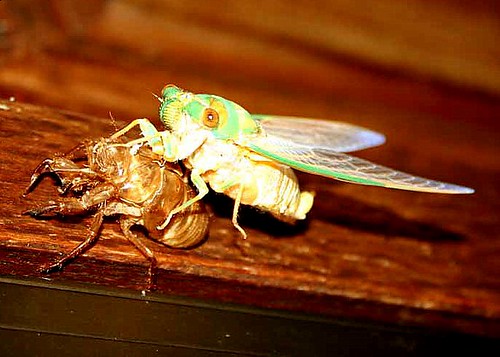
Photo credit: “Cicada emerging from old exoskeleton” by Shek Graham is licensed under CC BY-NC 2.0
Poem: ‘Lizard an Mosquito’

Mosquito bite yuman,
Now e full a blood.
Lizard eat mosquito
Say, man dis is good.

Lizard help hatch mosquito,
Raise dem up good.
Send dem out like good daddy
Fe go find yuman blood.

Mosquito so happy
Dem eat plenty blood.
Lizard so happy
Dem mosquito taste good.

Politician same like dis:
Yu clap an yu sing,
Yu eleck im an den
E tax yu ting an ting.

I don’t normally write dialect verse, but it seemed appropriate for this idea. It was originally published in Snakeskin, republished in both The Hypertexts and Better Than Starbucks. The Bahamian accent can sound impenetrable to foreigners, but the words and grammar are not so different from standard English. By the way, “ting an ting” is just the non-specific plural of “tingum”–unspecified “stuff” rather than a specific “thing”.

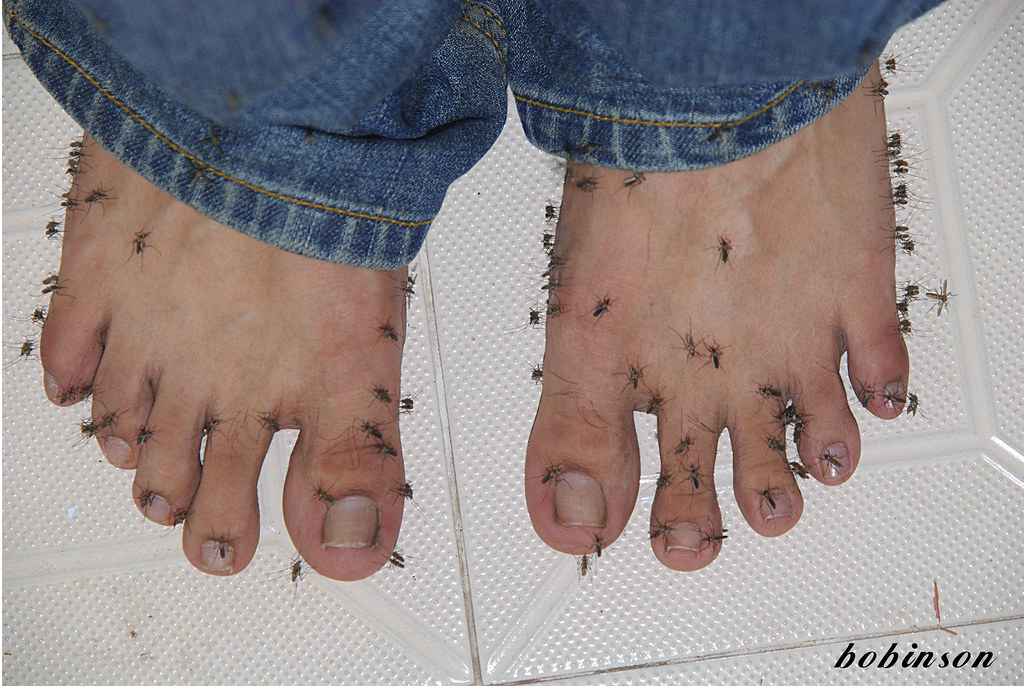
Photo: “Brutality against mosquitoes.” by Bobinson K B is licensed under CC BY-NC-SA 2.0

Poem: ‘We Dreamed’

We dreamed we could fly to the moon
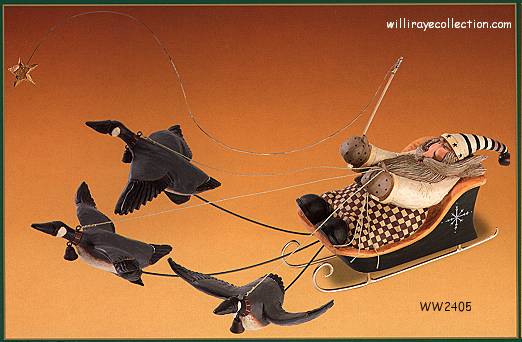
With six grey geese pulling our sleigh.
We dreamed we could fly to the moon –
We can, but not in that way.

We dreamed we could see round the world
With a magical mirror display.
We dreamed we could see round the world –
We can, but not in that way.

We dreamed we could live forever
By doing whatever gods say.
We dreamed we could live forever –
We can, but not in that way.

It seems to me that anything that humans can imagine, some of them will try to achieve. Further, that the fairytale and fantasy dreams of preliterate days still continue, and they are indeed being achieved–though not necessarily as was originally imagined. Can we (or our descendants) attain indefinite lifespans? I think so, but probably not as the kind of human that we are today. After all, if you could halt ageing, if you could rejuvenate the body, what else would you think of tinkering with?

This poem was originally published in The Road Not Taken – the Journal of Formal Verse.

Photo: Southern Flight, Williraye Studio

Poem: “Bee”

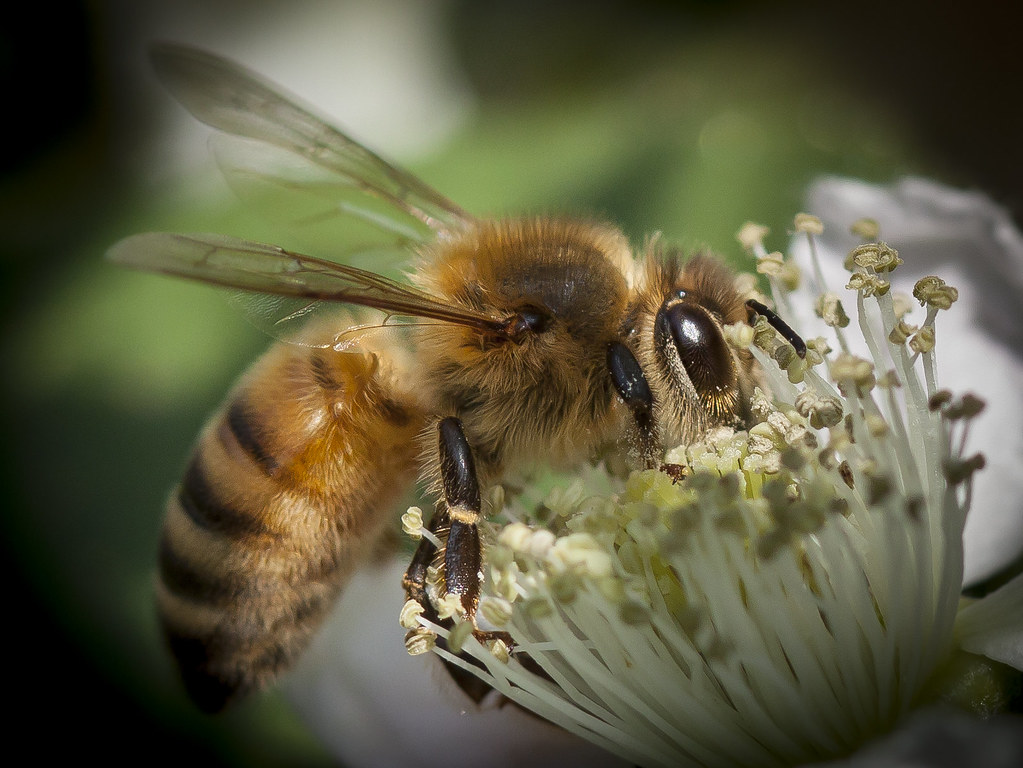
“July Honey Bee” by MattX27 
Through the honeyed halls of Autumn
Hums the angry ageing bee;
As its work faces fruition,
And its life, redundancy.

This little poem was originally published in Candelabrum, a 1970 formalist hold-out that ran for forty years in the UK under Leonard McCarthy. More recently, it was just republished in Jerome Betts’ latest Lighten-Up Online.

Epigrammatic couplets and quatrains, being rhyme- and stress-based, are common throughout Indo-European languages. They hold the same natural place that haiku, senryu and tanka have in syllable-counting Japanese. It is easier to learn by heart a poem whose form uses the natural strengths of the language, rather than something written in a language-inappropriate form.

Similarly, when reading a poem in translation, you get the ideas and the imagery but you normally lose the enhancement of mood caused by the metre, the rhythm of the verse, as well as by the rhyme. So ideas and imagery alone give you prose, not poetry.

Consider the differences in tone of gravity or levity set by rhythm in these opening lines (and you need to read them aloud–in your head if you can do that, otherwise really aloud, in order to hear the rhythm, the beat of the lines):

Let us go then, you and I,
When the evening is spread out against the sky...

I sprang to the stirrup, and Joris, and he;
I galloped, Dirck galloped, we galloped all three...

On the top of the Crumpetty Tree
The Quangle Wangle sat...

The first is meditative, the second full of action, the third is casual, informal… and those moods are set by the rhythm alone.

Metre is an essential component of English poetry. Make the metre-rule your yardstick. Don’t leave home without it.

Poem: “The Silence”

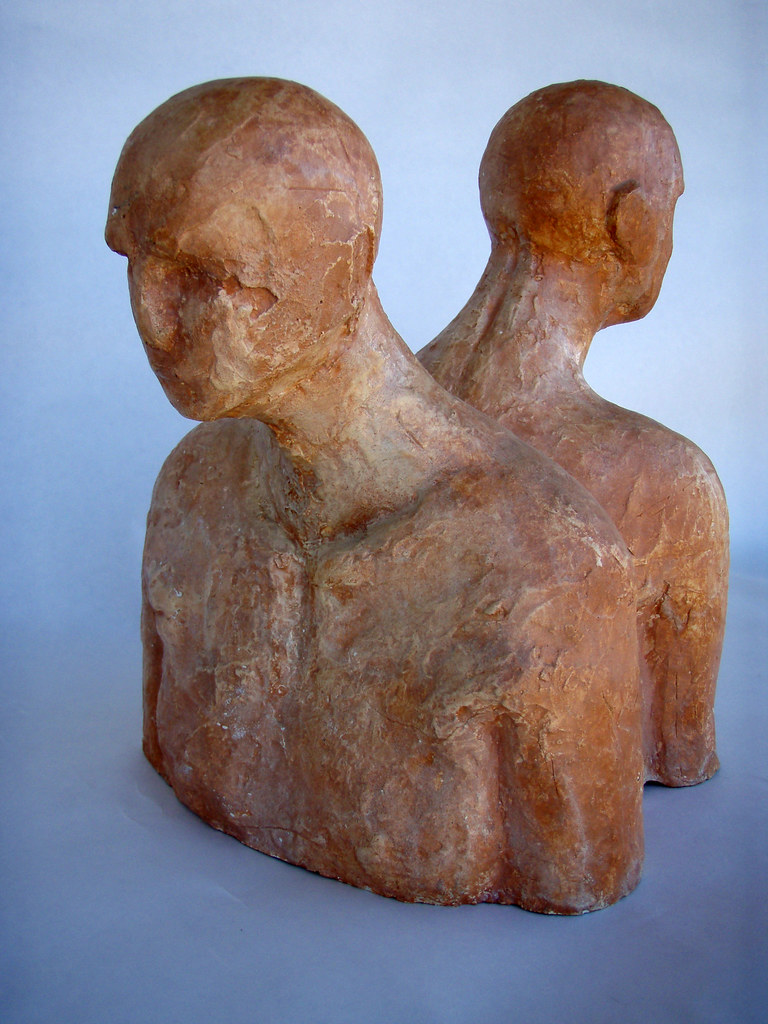
“Pareja (Couple)” by Daquella manera 

On those days when, because you felt attacked,
you just won’t speak, it’s like a dress rehearsal
for one of us being dead. (So, a prehearsal?)
Can’t speak for you, how you’d react,
but for myself, if you die, I know only:
I’d be lonely.

After the slow dispersal
of the acquisitions of the years
from yard sales, impulses, unfinished plans–
after the children’s and grandchildren’s tears,
(their own mortality foretold in Gran’s)
there’d be an emptiness.

Routine unravels:
I’d need an act of will to even shave–
the dogs don’t care how I behave.
All I need’s here in cupboards, shelves, on line.
I’d be just fine…
apart from growing restlessness.

I guess I’d restart travels.
Meanwhile I’ve learned how it will be
to live without you, just your memory,
a silent apparition in this room and that,
the ghost of one who used to laugh and chat.

Think of this as a melancholy love poem, written in a temporary (thank goodness) state of being that can occur in any relationship.

This poem was published this month in Snakeskin No. (or #) 276. I feel proud to be in the issue, as I rate it as one of the best ever in the 20+ years that George Simmers has been putting the magazine out. Though much of the poetry is formless (but still worth reading!), there is some truly impressive work by Tom Vaughan and Scott Woodland, with well-structured work by Robert West, Nick Browne and Jerome Betts, and with interesting innovations in form by Marjorie Sadin, Claudia Gary and George himself–in this last, the character of the verse becomes more lively as the character in the verse becomes more alive.

Technically the form of the poem–uneven lengths of iambics, all lines rhyming but not in a structured way–is one that allows the line breaks to echo your intact chunks of thought as well as the rhythms of speech. It is the form of Eliot’s Prufrock and, earlier, of Arnold’s A Summer Night:

And the rest, a few,
Escape their prison and depart
On the wide ocean of life anew.
There the freed prisoner, where’er his heart
Listeth will sail;

It is a casual form, but it retains enough of the hooks of more formal verse to make it easy to memorise and recite.

Poem: “Blues Sonnet for the Bahamas, 1929”

Storm track of the 1929 hurricane, stalling over Nassau and Andros

The hurricane of 1929–
That massive killer storm of ’29–
Came when boats sailed, thinking the weather fine.

The storm came violent as a warrior–
Crept up in silence, struck like a warrior
The Ethel, Myrtle and Pretoria.

The three were bound for Andros, two escaped–
The Ethel and the Myrtle, they escaped–
But 35 drowned when the sea’s mouth gaped.

The storm sat over Nassau for three days–
It killed a hundred, sitting for three days–
Three quarters of all houses just erased.

Bahamians now don’t know what happened then…
They just sing ‘Run Come See Jerusalem’.

The September 1929 hurricane is memorialised in the old Blind Blake calypso ‘Run Come See Jerusalem‘. Poorly-built structures and ships were destroyed throughout the Bahamas. 142 people were killed, out of a population of less than 50,000. Andros Island was within the envelope of the storm’s hurricane-force winds and storm surge for two days. Parts of the island were inundated by a 12 ft (3.7 m) surge that advanced 20 mi (32 km) inland, wiping out all crops and most fruit trees and livestock.

A wind gust of 164 mph (264 km/h) was measured in Nassau, which also experienced the calm of the hurricane’s eye for two hours. An estimated 73% of the city’s homes and businesses sustained damage, leaving more than 5,000 people without homes. The hurricane was a heavy blow to the declining sponge industry on the islands. Following the storm, wild birds and crops were brought from the Caribbean to replenish their losses in the Bahamas. New building codes were enacted after the 1929 storm to prevent similarly extensive destruction. (Wikipedia)

For the most part, hurricanes in this part of the world come west from Africa, turn northwest before or after reaching the Caribbean, and somewhere around Florida turn northeast, ending up as gales in Ireland and the UK. That’s their natural track, anyway. It seems that the storms that do the most damage in the Bahamas are those that get off track in the Atlantic, turn southwest into the Bahamas, and then pause for a couple of days while the surrounding weather systems slowly force them north again. That was true of Joaquin in 2015, Betsy in 1965, and the unnamed 1929 hurricane. 

This week is the anniversary of Hurricane Dorian, the storm that devastated Abaco and Grand Bahama last year. Dorian turned from north-northwest to west, then stalled over Grand Bahama for a couple of days before turning north again. If the hurricane just keeps moving it may be powerful and destructive like Andrew in 1992 and Floyd in 1999, but no location will have strong winds for more than a couple of hours. Buildings can withstand this. But when a hurricane stalls, and the strong winds continue for a couple of days and nights, with storm surges on top of several high tides… that’s when the most damage can happen. But we’re into September. Hurricanes happen at this time of year.

As for the poem, it’s a Blues Sonnet, an established mashup of European sonnet and Afro-American blues. It contains less information than a regular sonnet because of the amount of repetition, but it works well to express a mood of lamentation. The Poet’s Garret has Hillary Clinton singing the blues as an example.

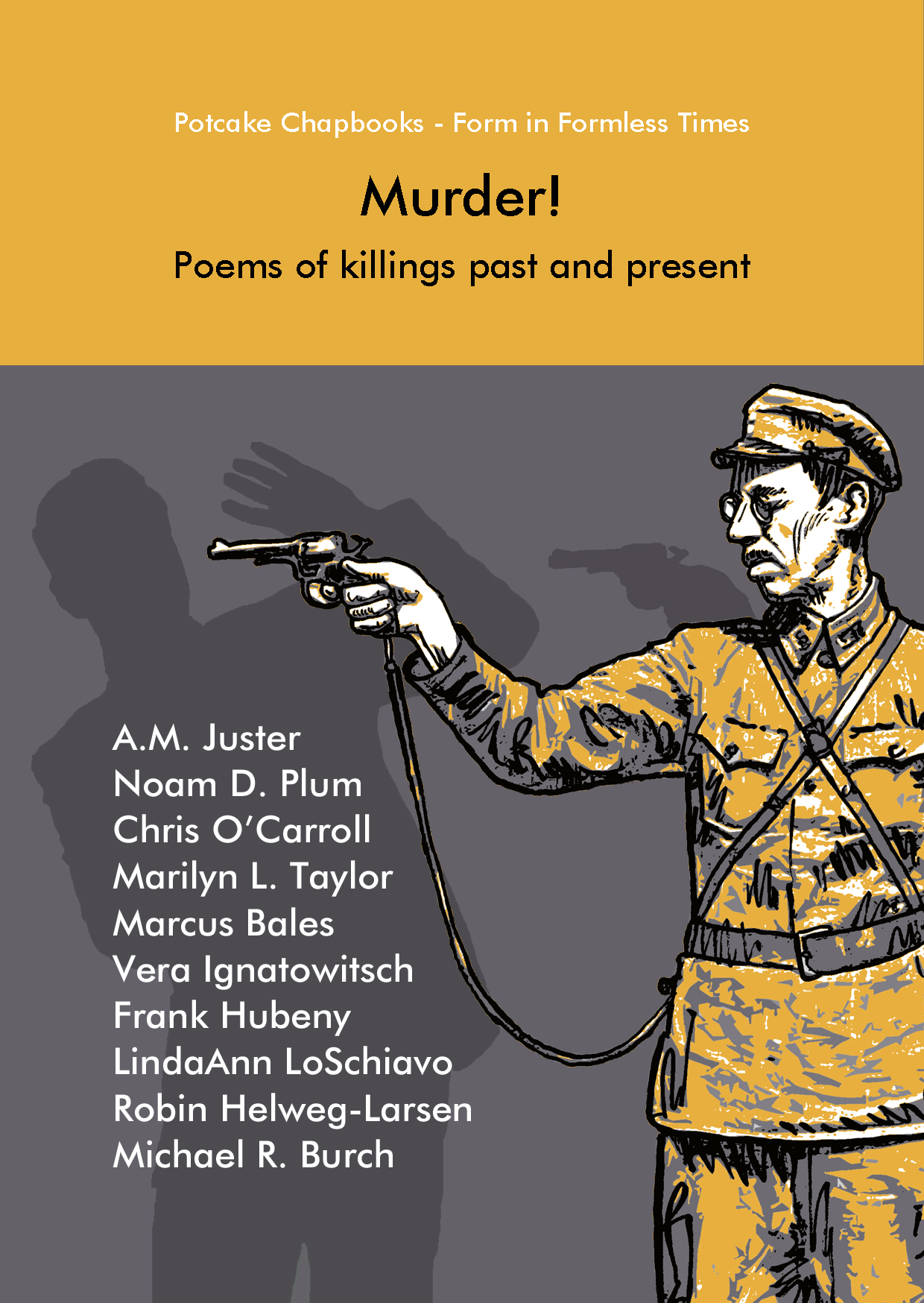
Launch: Potcake Chapbook 7, ‘Murder ! – poems of killings past and present’

07 Murder!

Potcake Chapbook 7: ‘Murder!’

Murder needs no formality of gats,
violin cases or fedora hats
or any other long-outdated memes.
Murder is merely social discord that’s
taken to interpersonal extremes.

Murder. Here we present victims ranging from the unidentifiably unknown to the rich and powerful, and from the time of the Emperor Constantine to the present day. It appears to be something with which we humans are permanently infected. 

The poems–all formal, of course!–are as usual in a variety of forms. This chapbook contains sonnets, a double dactyl, quatrains, rubaiyat, parody and nonce forms. They were authored by Potcake newcomers A.M. Juster, Marilyn L. Taylor, LindaAnn LoSchiavo and Frank Hubeny, and old-timers Chris O’Carroll, Marcus Bales, Vera Ignatowitsch, Noam D. Plum, Michael R. Burch and myself. And powerfully illustrated, as always, by Alban Low.

For the price of a fancy greeting card you can, through the wonders of PayPal, get this 16-page chapbook online for £2.60 + £1.20 P&P to a UK or European address, or £2.60 + £2.20 P&P to a Worldwide address.

Or you might prefer to browse themes and poets here, and photos and bios here, and choose between poems on travel, or love affairs, or the working life… or relatives, or modern life, or poems to amuse and amaze. Life, after all, is more than just Murder!

Poem: “Time”

Time takes the young child by the hand
and leads it through a golden land
so timeless it will never note
Time’s other hand is at its throat.

This little poem was just published in Snakeskin, in one of its richest issues ever. I’m glad to have been included, along with several others–Claudia Gary, Tom Vaughan, George Simmers, Marcus Bales–of the formalist poets who appear in the Potcake Chapbooks. And a shout-out to Nikolai Usack, who made me clear up clumsy pronouns in the original draft.

Poem: “Prose and Poetry”

I long for Prose – but darkly, distantly,
She looks at far-off lands.
It’s Poetry who brings persistently
Small gifts in small white hands.

I confess that I have always wanted to be a novelist rather than a poet… but when, over the years, several novels remain as unpublished manuscripts but the poetry contributes to bubble up and find a home, what can you do? Smile ruefully and accept the gifts you are offered, and be grateful.

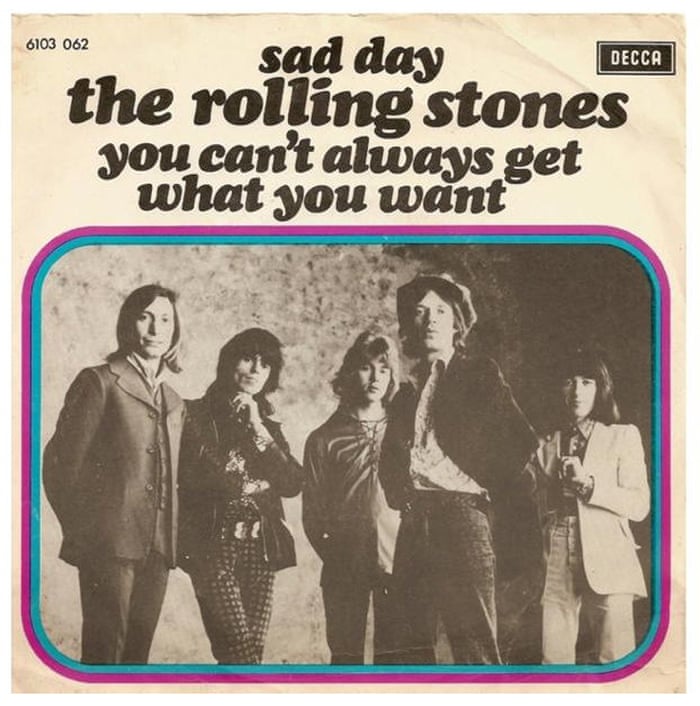
This poem was originally published in Lighten Up Online. And my only published novel is The Gospel According to the Romans… self-published, of course. The publishing score so far: Poetry, 300 – Prose, 1. “You can’t always get what you want… but…

How You Can't Always Get What You Want became Donald Trump's ...

you get what you need.”


Sonnet: “The Four Evangelists of the Apocalypse”


Apocalypse

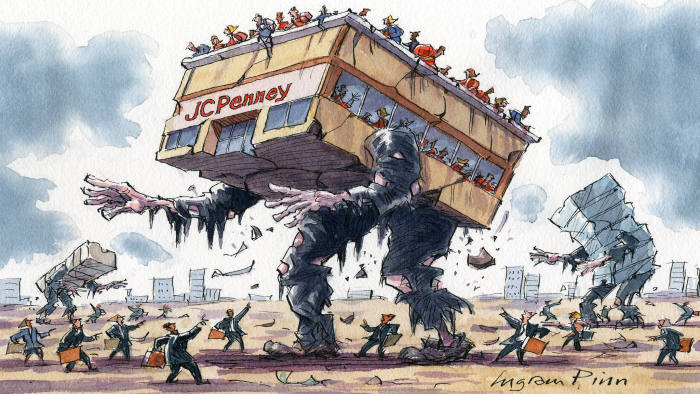
Corporate Apocalypse

The evangelists of the apocalypse,
our old friends Murder, Murk, Lucre and Grab,
advance, all slinging guns and swinging hips–
valkyries, horsemen, ravens – rend and stab,
corporate-coloured red, blue, yellow, green–
give opiate online lives, plant-meat kebabs,
while sucking out the everything between
to flesh and farm their diabolic labs
where rats, replaced by chimps, replaced by us
are harvested, dissected and thrown out.
The Evangelists, a giant octopus,
seize and build all that maximizes clout
till A.I., comet-like (think Yucatan)
wipes homo sapiens out, grows Superman.

This apocalyptic SF sonnet was published in Star*Line, now edited by F. J. (Jeannie) Bergmann of Wisconsin. Think of it as pure optimism: the evil corporate giants were sucking humanity dry, but then A.I. takes over and, yes, wipes us out altogether, but at least replaces us with something better! The optimism being that we may not be actually eliminated, more like upgraded…

Do I believe that? No. But I also don’t think we can even guess at what the world will be like by the end of this century. Humans will be transforming themselves unpredictably by then. So hopefully the planet will still have some form of us around, and not just postnuclear cockroaches.